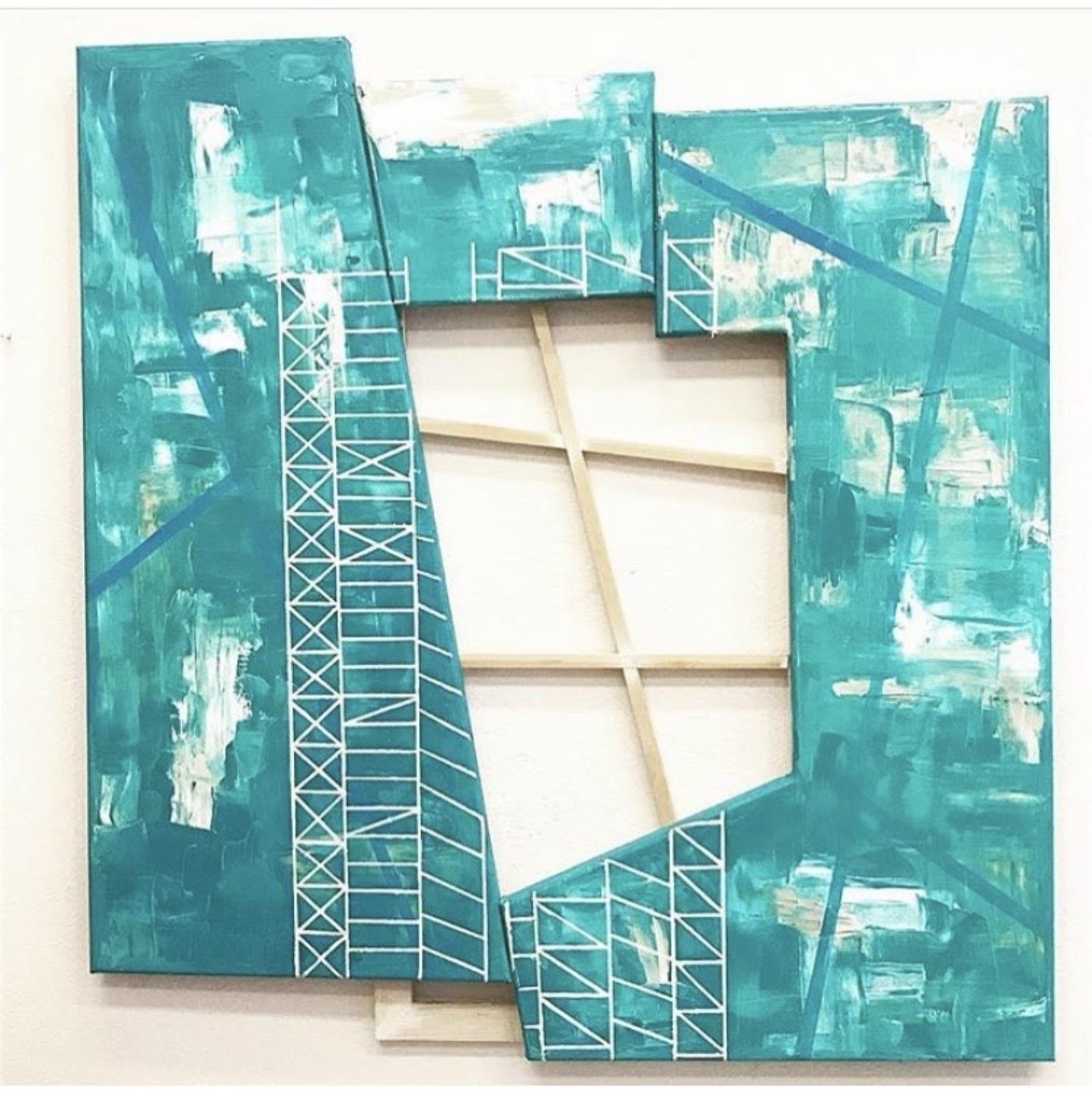
The Babel Towers of Modernity
Paintings and watercolours in six series, 2014 to today.
The Babel Towers of Modernity
2014–2015The way modern life, through urbanisation and capitalist monetary policies, leaves the individual with a sense of being lost has become more and more a fact of life. With this unstoppable and remarkably rapid change, cultural values are lost, ways of living change, metropolitan streets are squeezed into construction sites, and a transformed, mismatched urban fabric of identical, balcony-less, featureless architecture has all but swallowed people whole. Amid calculations of profit, the social structure too suffers a great erosion.
While this unplanned and uncontrolled spatial development was explained away as something that might benefit the poorer classes, the situation turned into its opposite and became a complete irony. In this process, people of limited means were inevitably pushed to the outskirts of the city. Istanbul, home to many civilisations and to different faiths and cultures, is among the cities where the effects of globalisation are felt ever more strongly. Yet globalisation here appears far removed from aesthetic values, operating instead within a discipline that mostly serves profit.
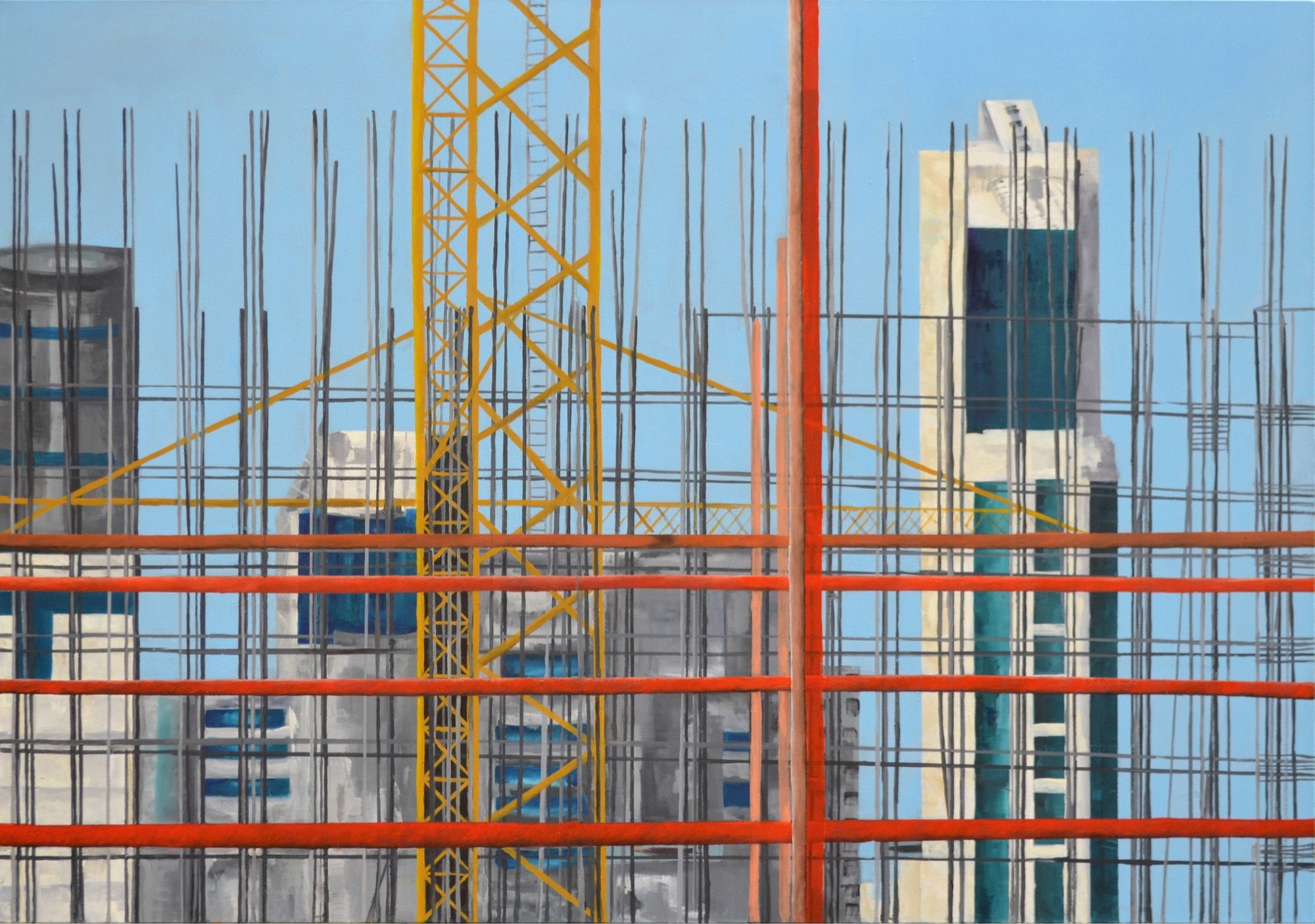
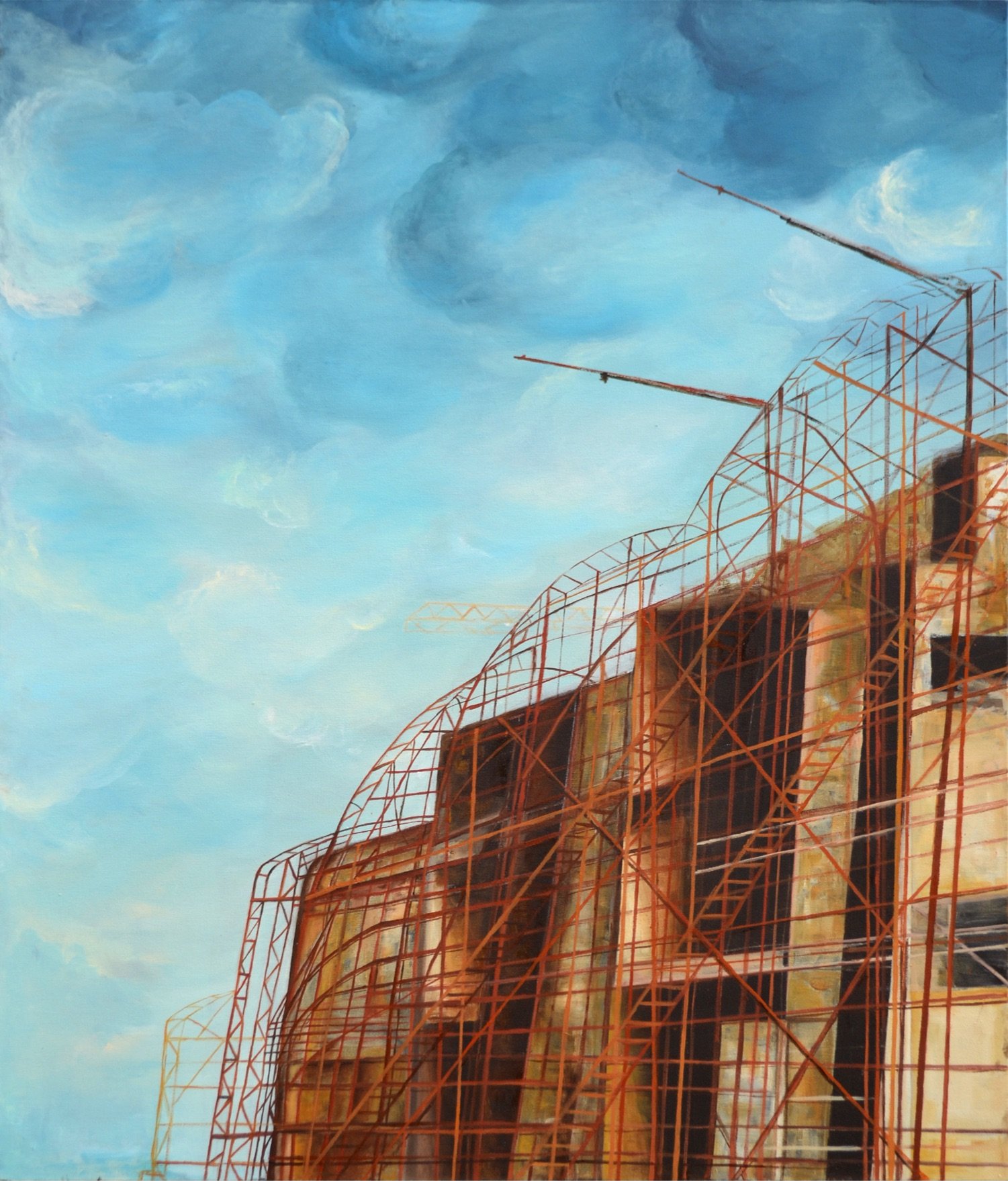
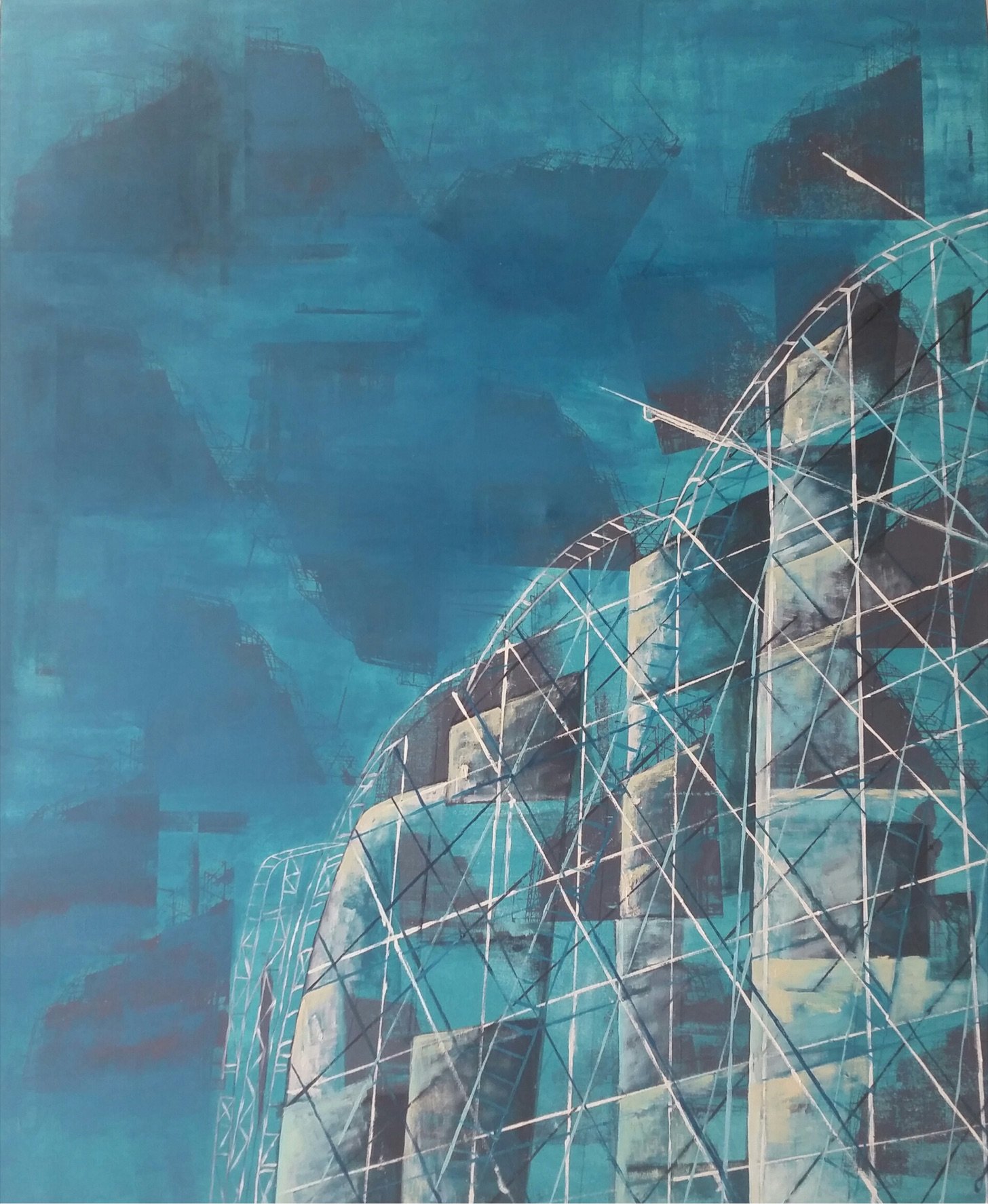
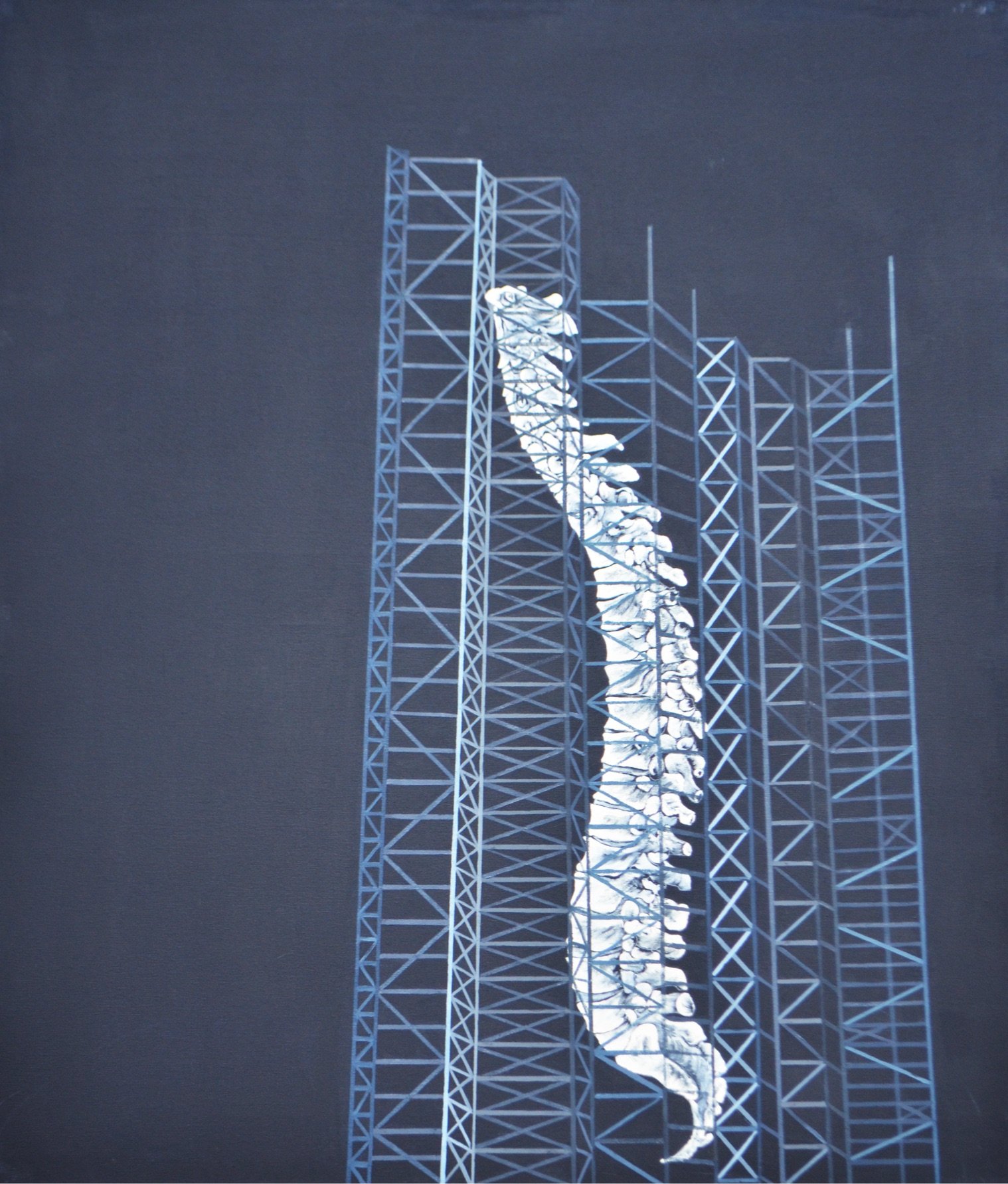
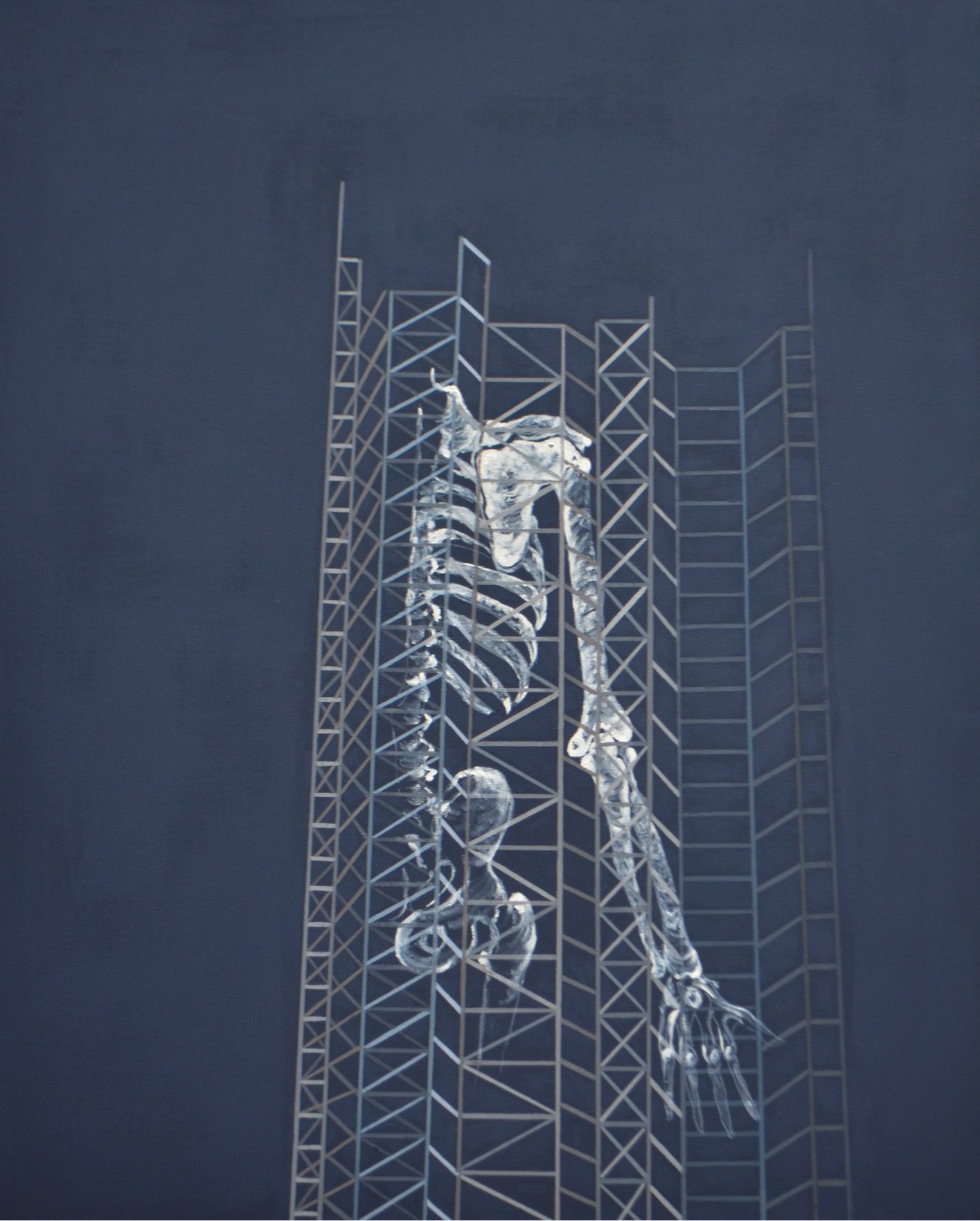
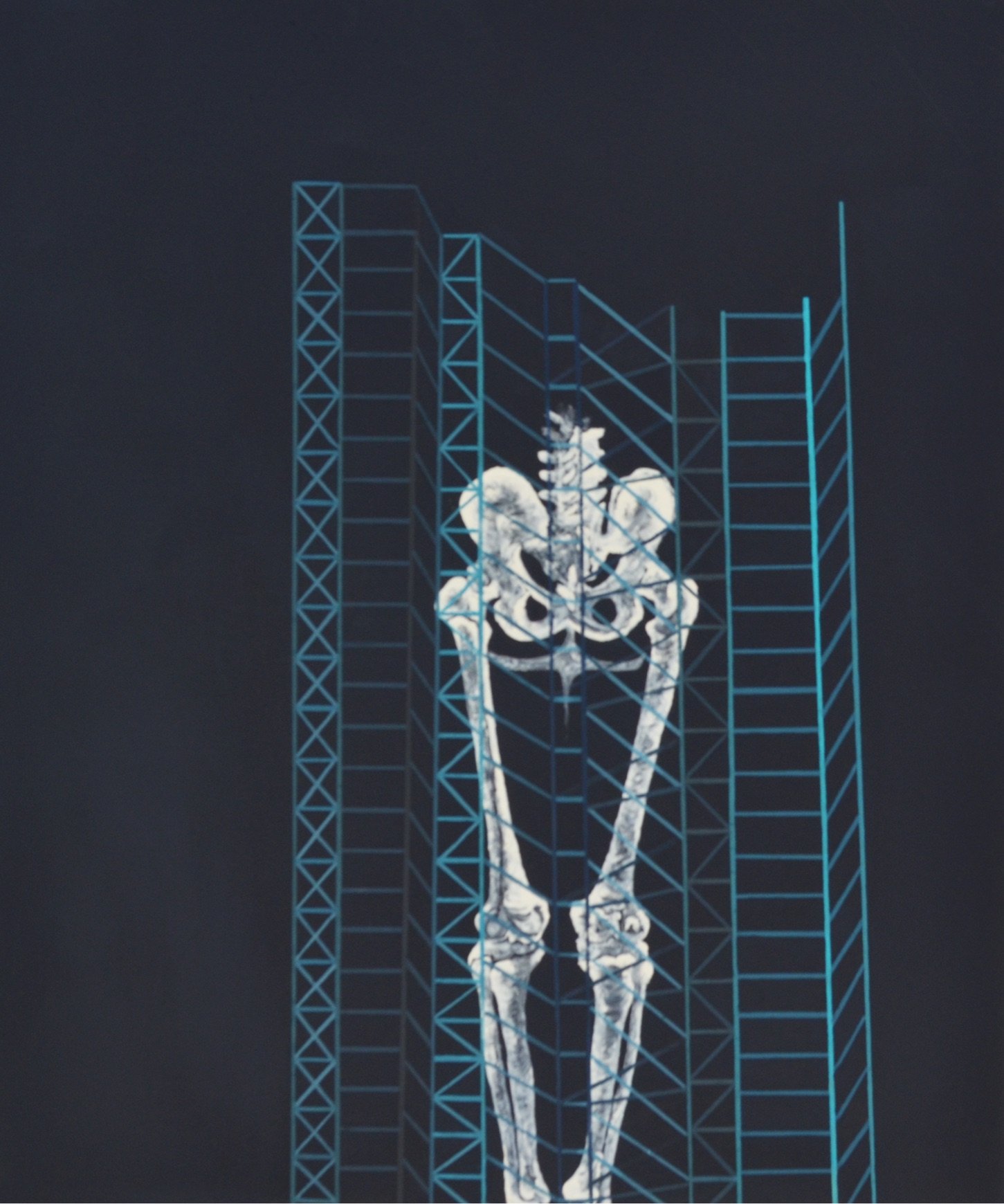
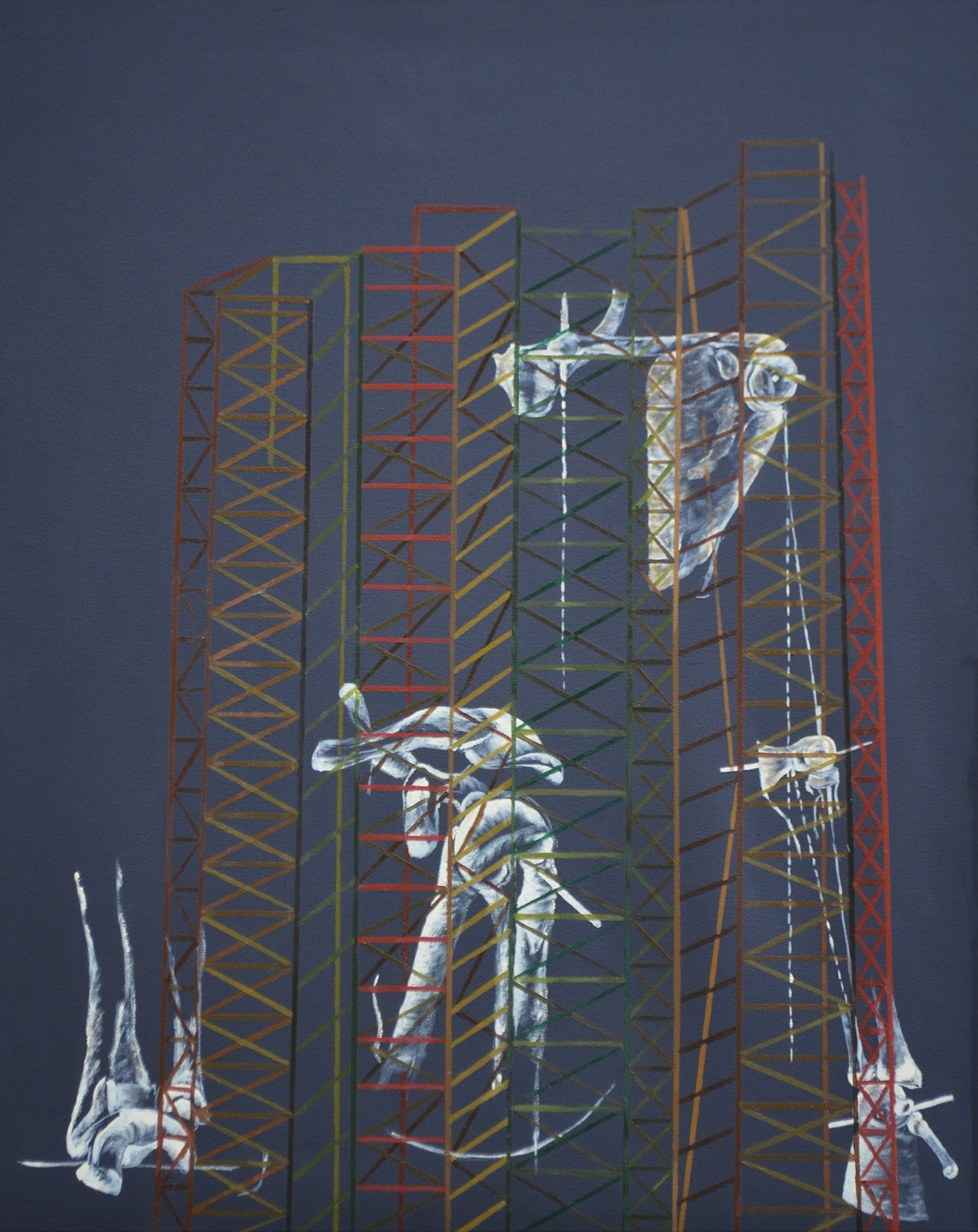
As many historic sites and neighbourhoods are rebuilt through urban transformation projects, the fabric of some districts is altered and transformed along the way. In these new urban plans the emphasis is not on how the buildings look from outside, but on how the outside looks from the buildings. In this process not only physical structures are being built; the elements that form the backbone of the society we live in, such as tradition, culture and identity, are being constructed as well. The skeletal structure in my paintings is, in a sense, a reference to these corrupted cultural values. As the city is rapidly restructured under the pressure of global competition, it keeps the elements that fall outside the system outside the structure, and in this context a kind of alienation comes into being.