Works
Paintings and watercolours in six series, 2014 to today.
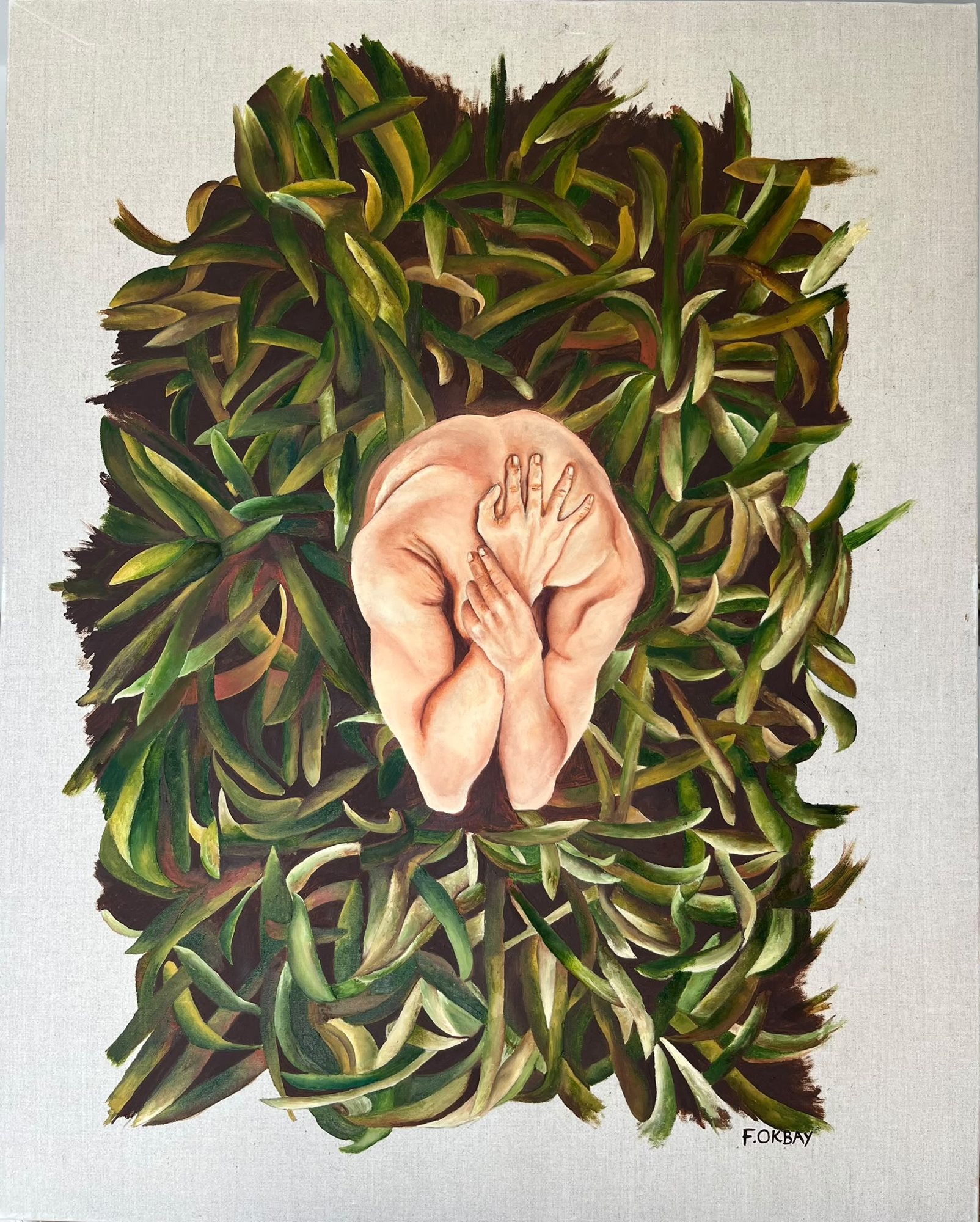
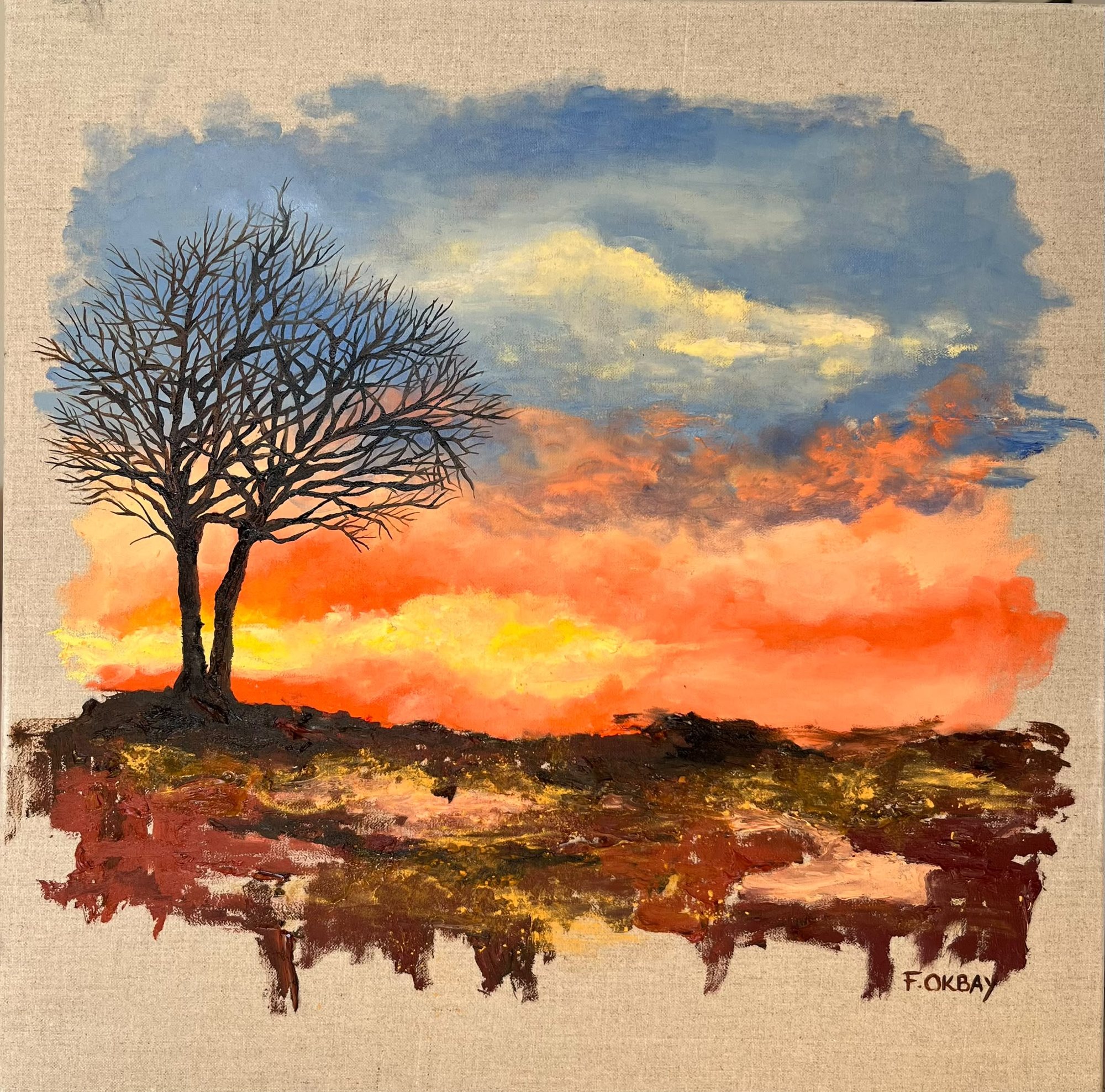
Human and tree… At first glance, two different living forms. One walks on the earth, the other holds on to it with its roots. One thinks, feels, remembers; the other grows, transforms, ages with the seasons. Yet in the depths of both there is a shared order that makes life possible, an invisible bond and a universal wholeness.
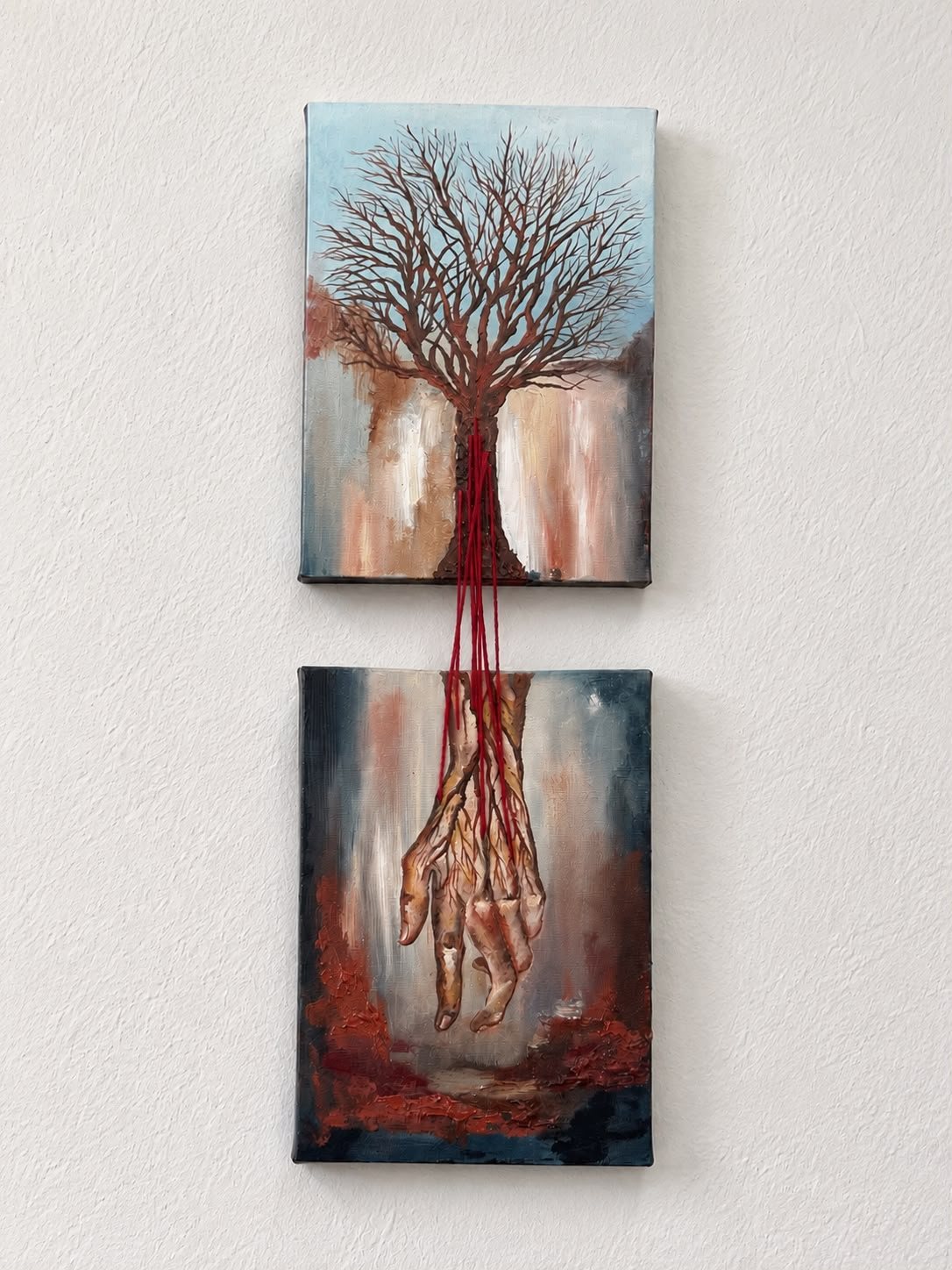
The series “From Roots to Cells” invites us to rethink the relationship between human beings and nature through the form, texture and structure of the tree. In the roots of the tree one can see the veins of the human body, in its branches the networks of nerves, in its trunk the spine, and in its growth rings the traces of time and memory. These resemblances are not merely visual associations; they also reflect the shared patterns that appear in the ways living systems branch, spread, connect and sustain life.
As the roots of a tree move through the darkness of the soil, its branches turn towards the light. Human beings likewise exist between the depths of their inner world and the infinity of the outer one. Both take shape within their relationship to their surroundings; both depend on water, air, light, time and each other. No being is entirely alone. Life goes on within a vast web of visible and invisible connections. These paintings treat the human being not as a separate entity standing opposite nature, but as part of a whole that was born from it and transforms along with it.
The threads used in the paintings become a metaphor for the relationship human beings build with nature and with their own existence. The tree reaching into the earth with its roots and towards the sky with its branches; the veins and nerve networks of the human body connecting with one another; the formations and cracks in the mineral structure of stone finding their own paths… All these forms bring to mind nature's tendency to form connections, repeating itself at different scales.
Perhaps nothing in nature is truly separate from anything else. The life of a tree is nourished by the minerals of the soil, the movement of water, the energy of light. Human beings too exist through countless relationships that reach beyond the limits of the body. This unseen exchange binds us not only to nature but to one another.
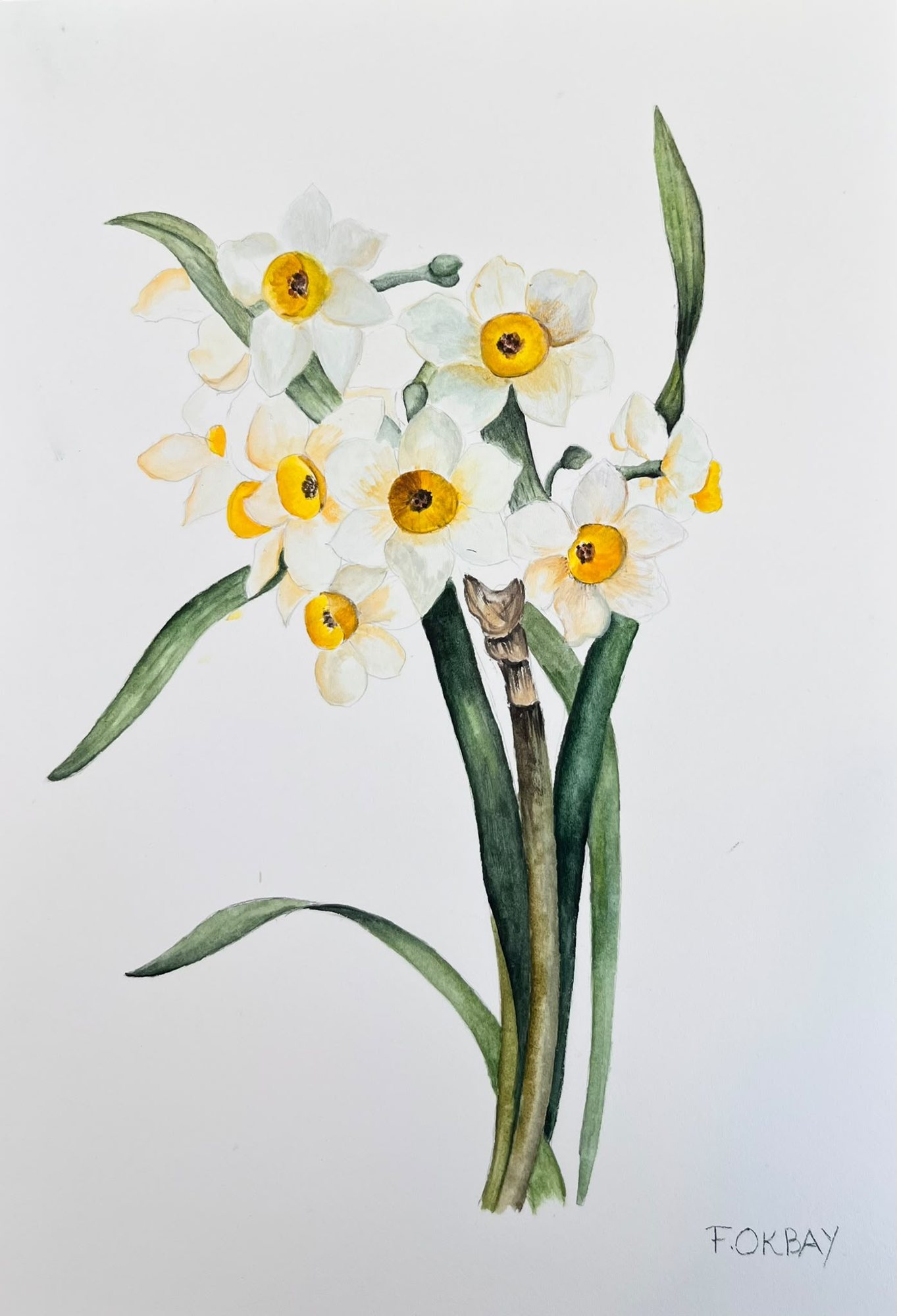
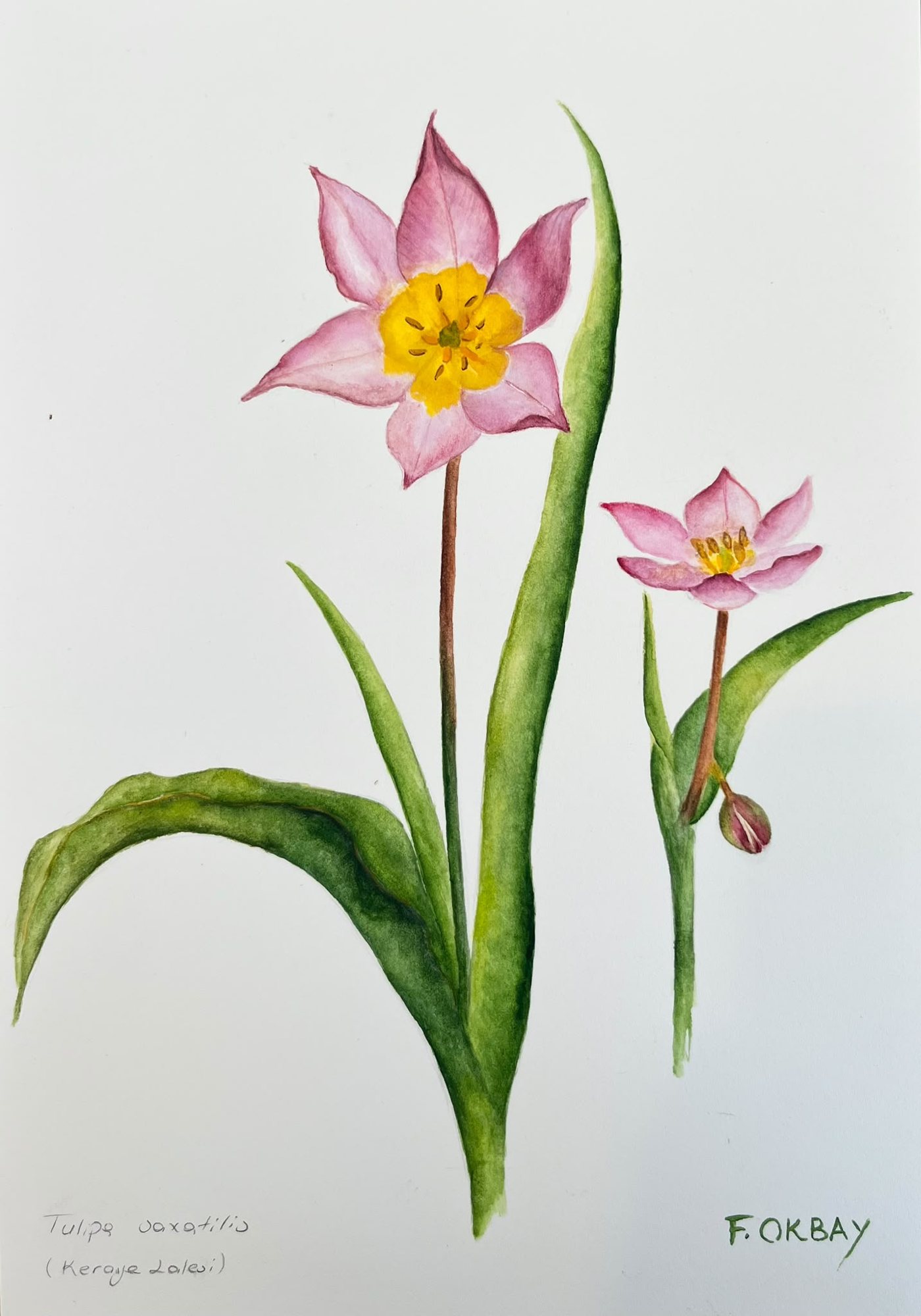
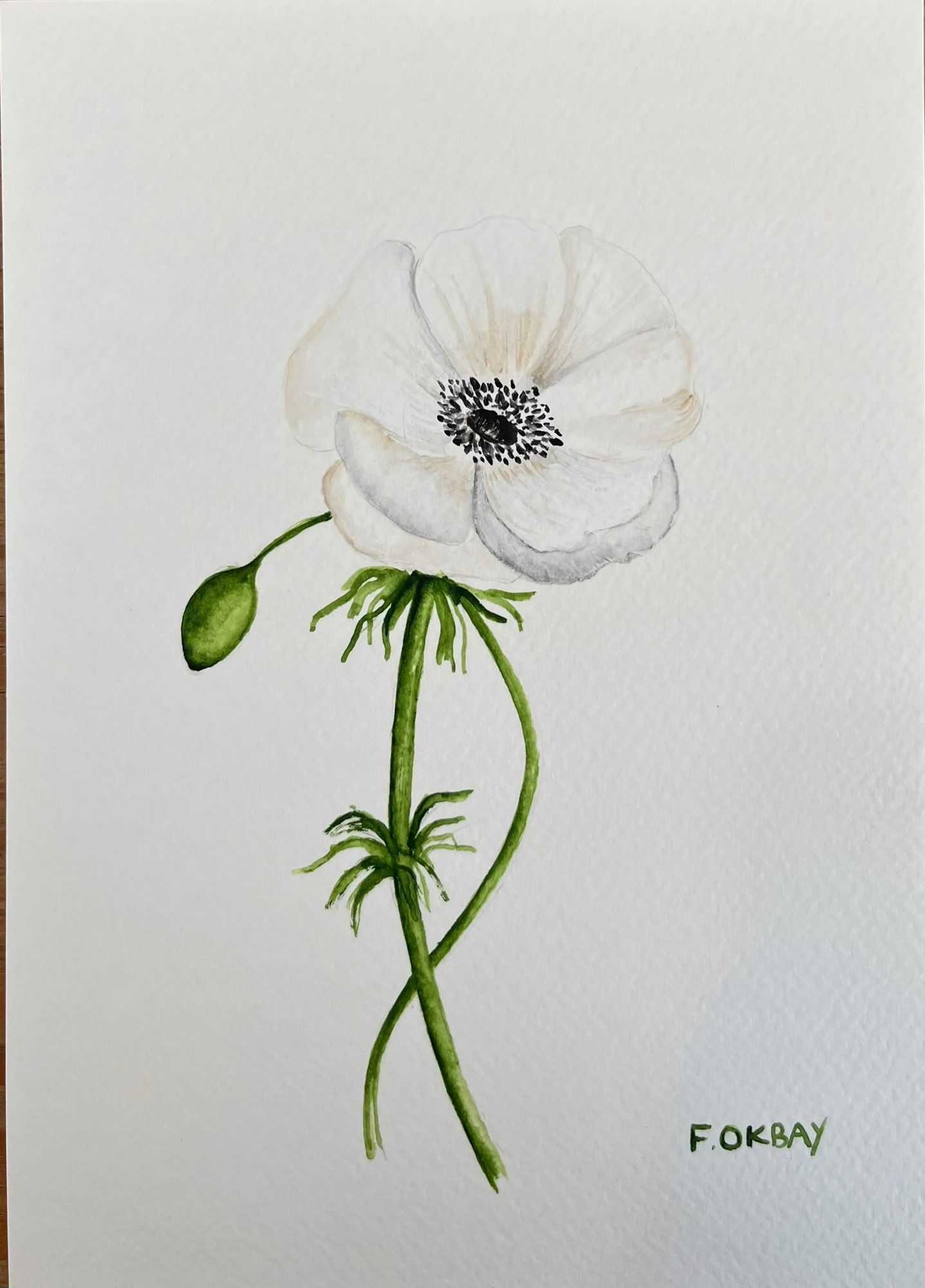
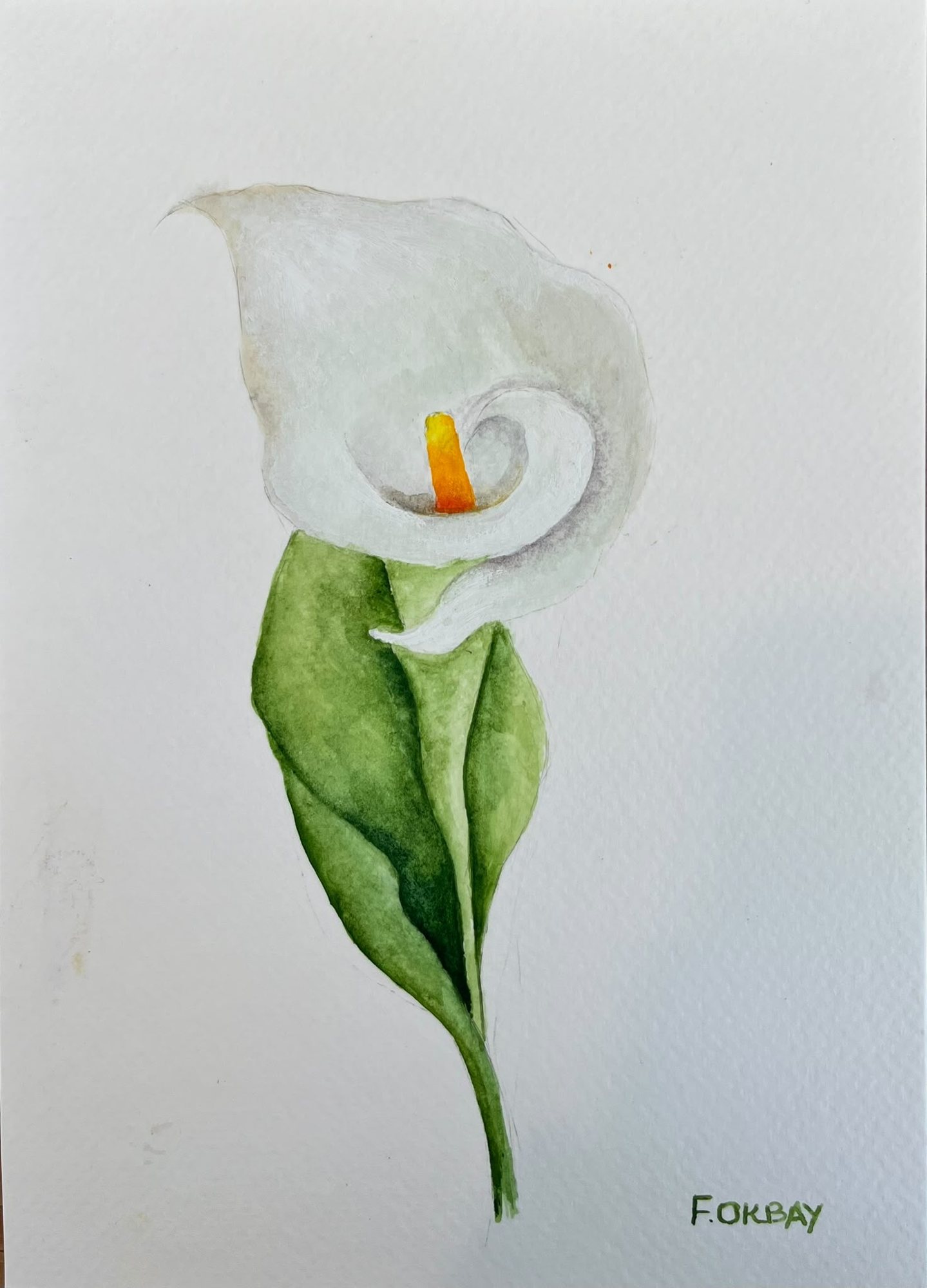
Plants of Datça
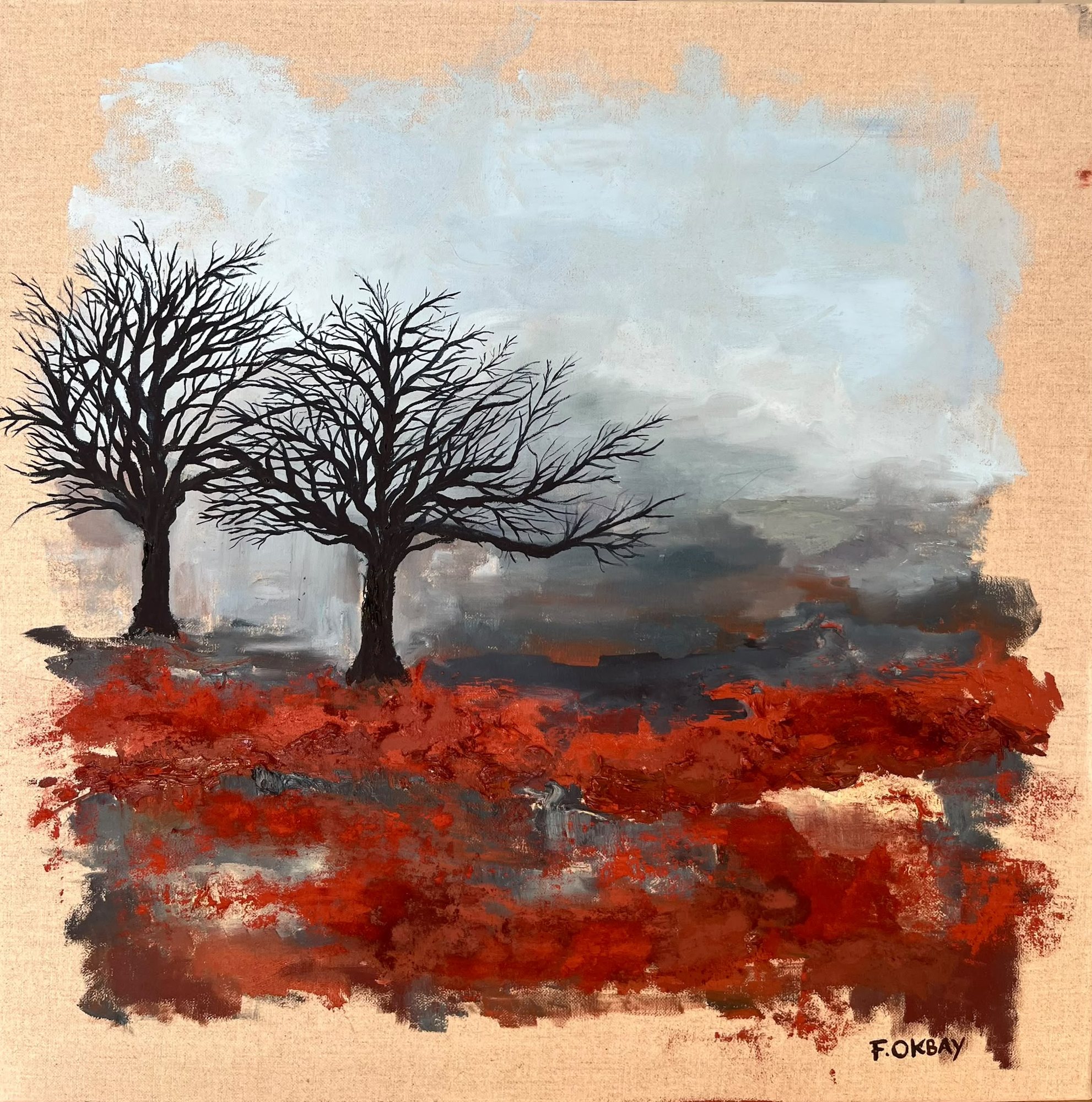
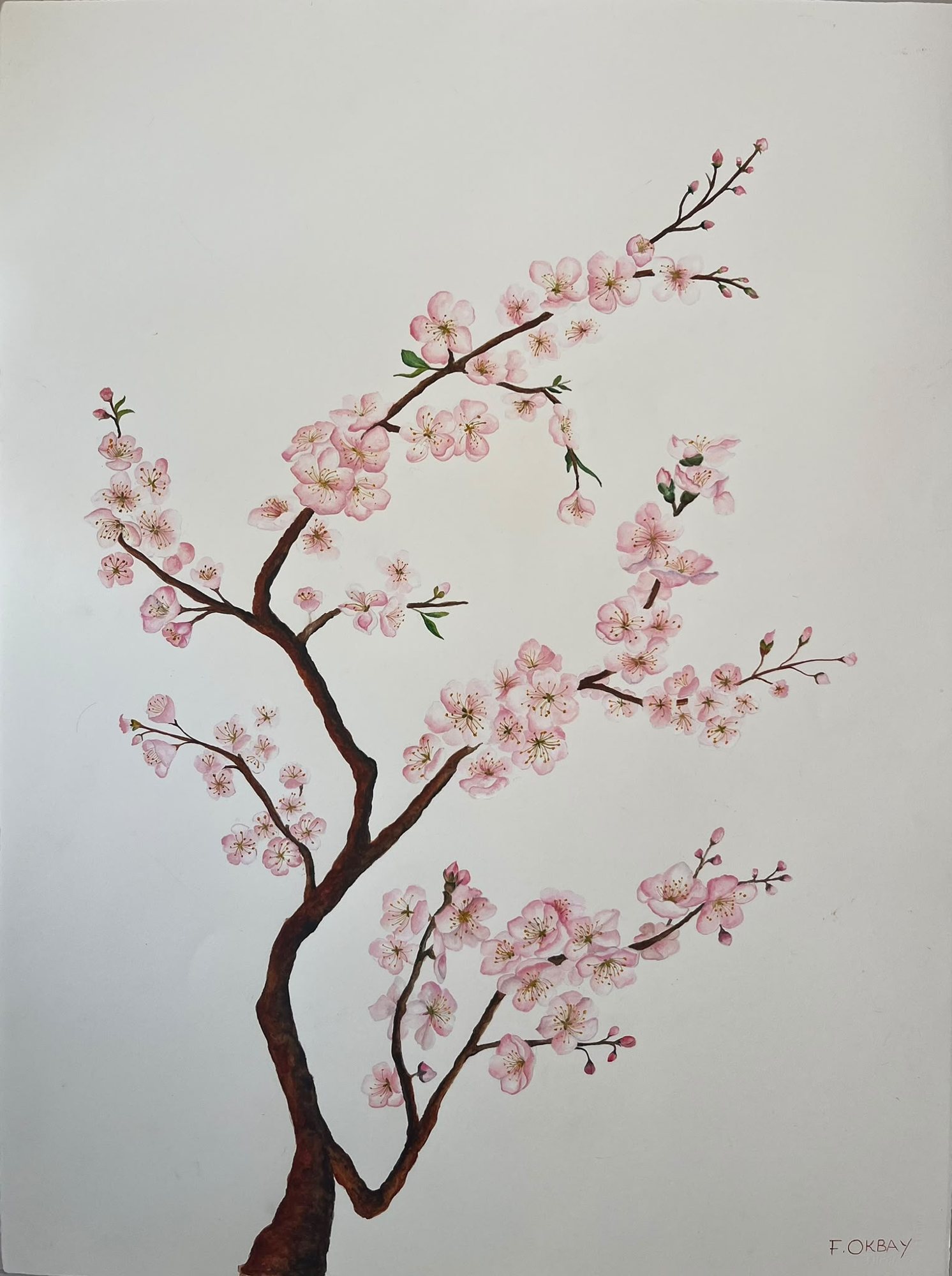
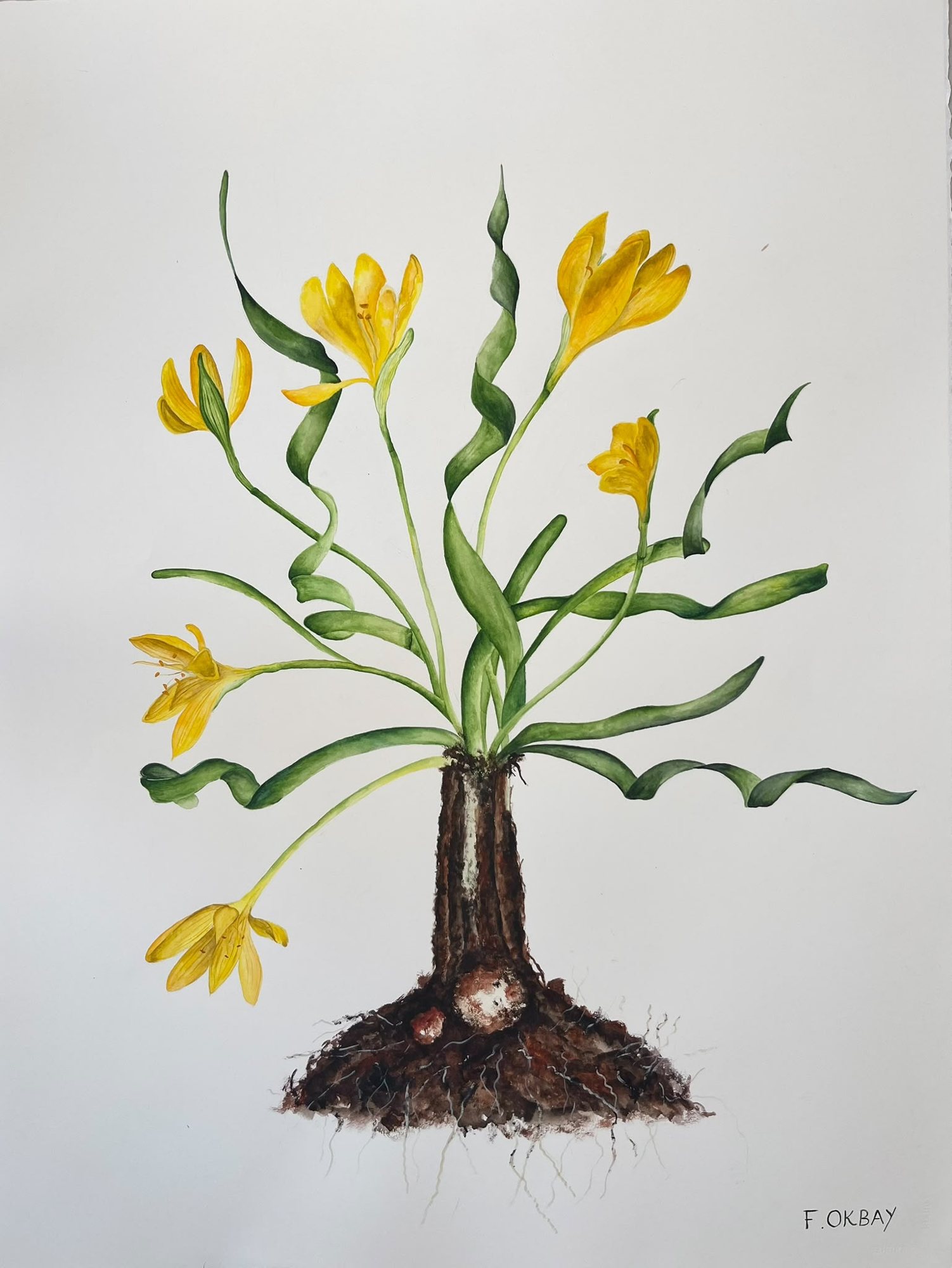
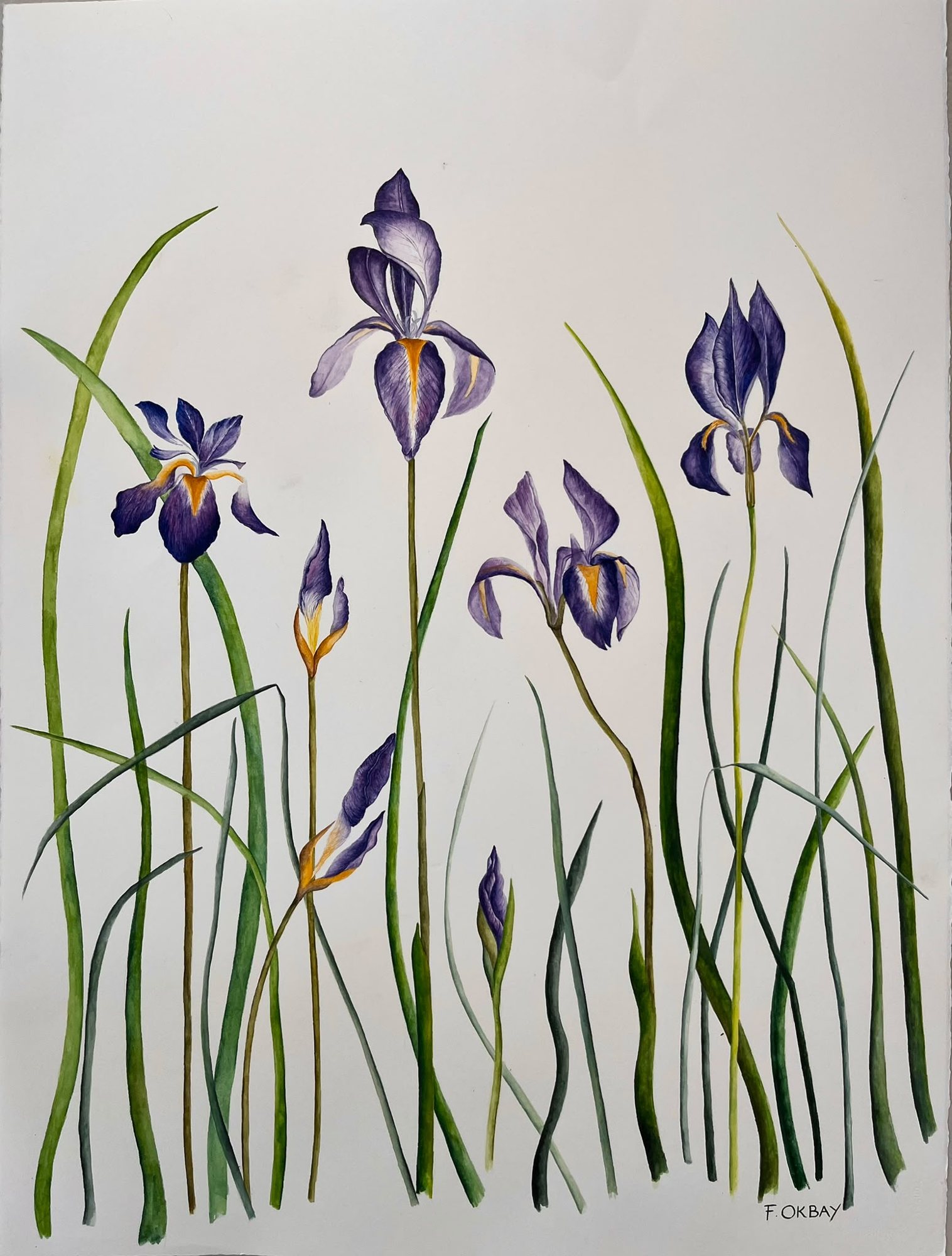
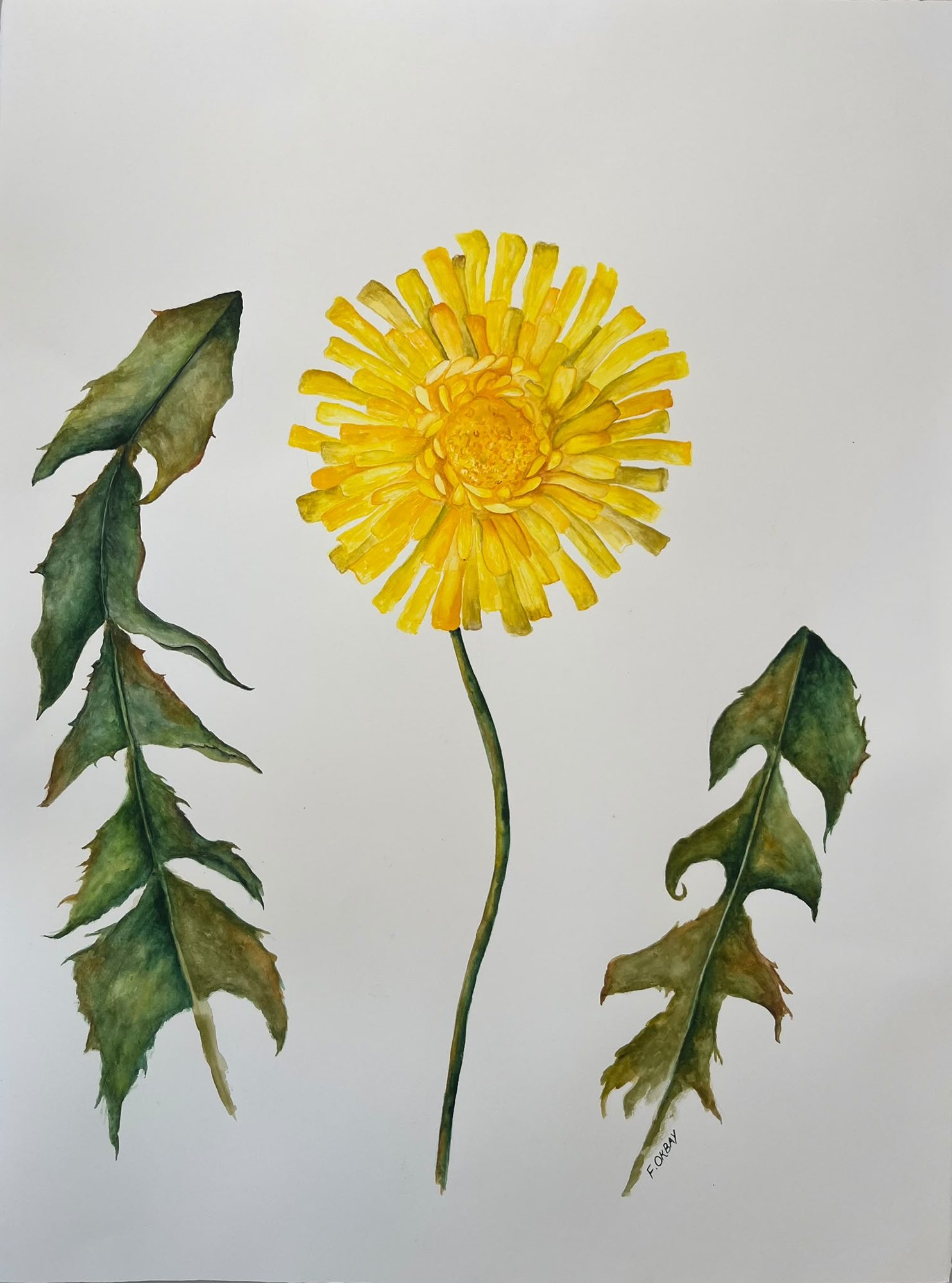
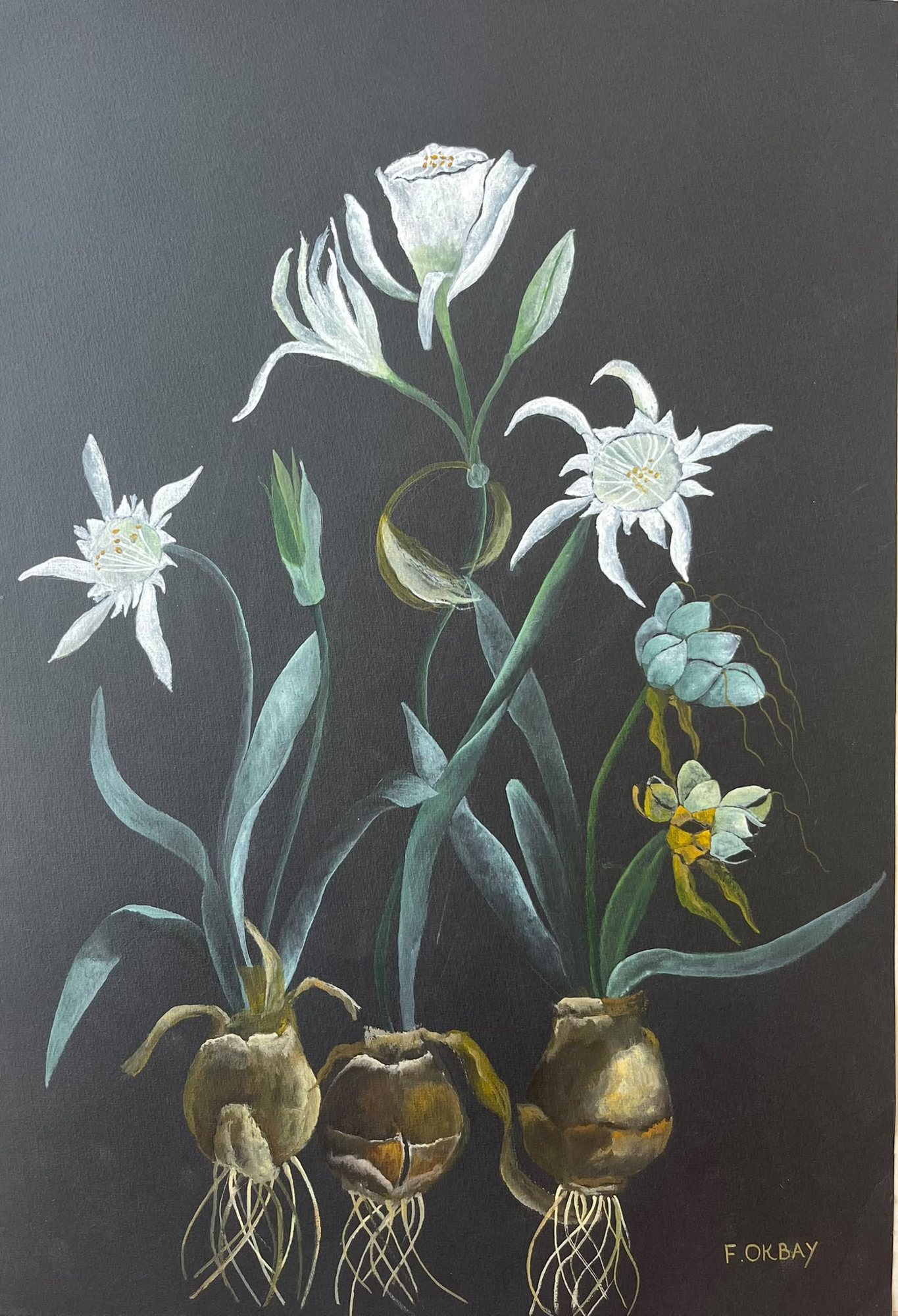
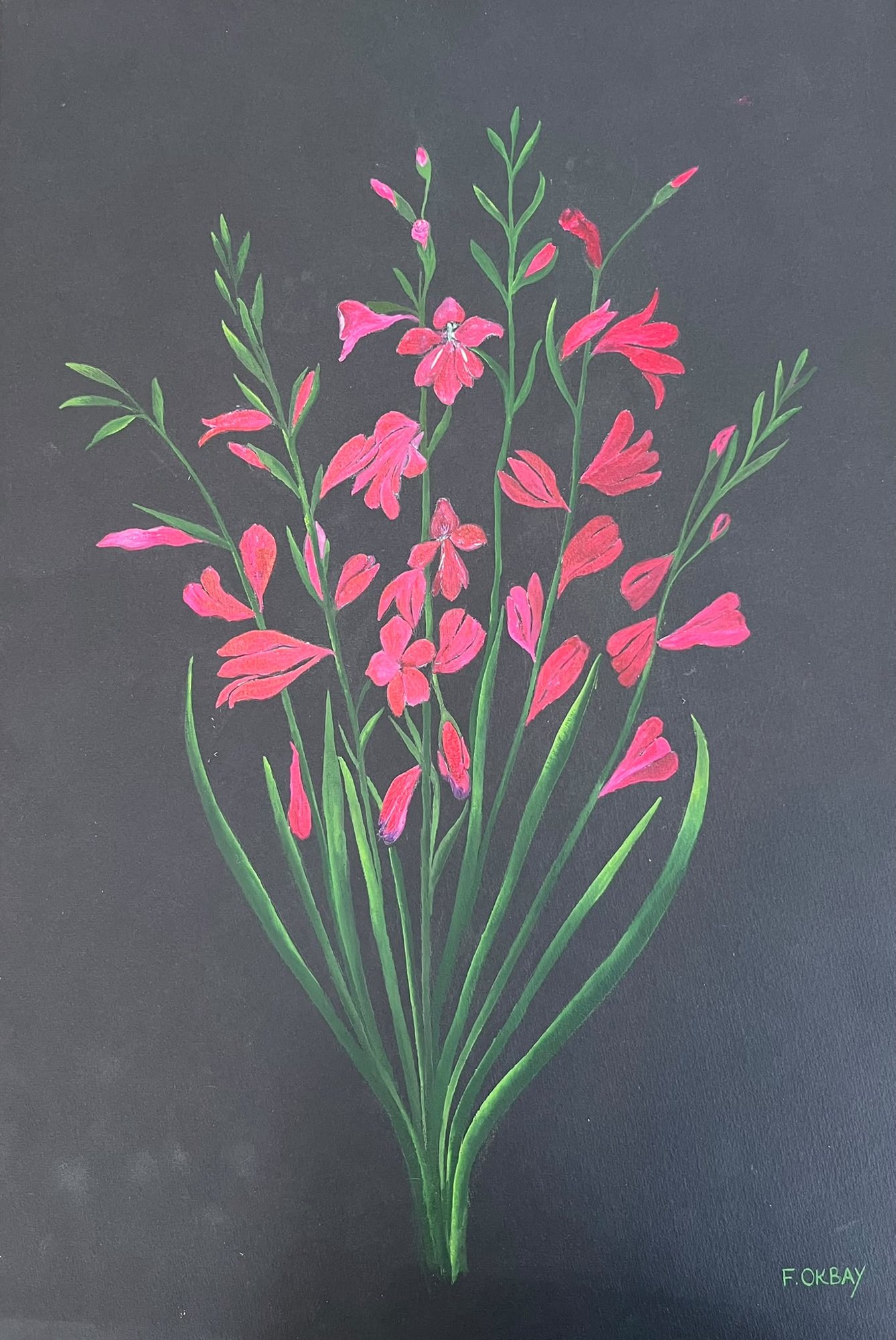
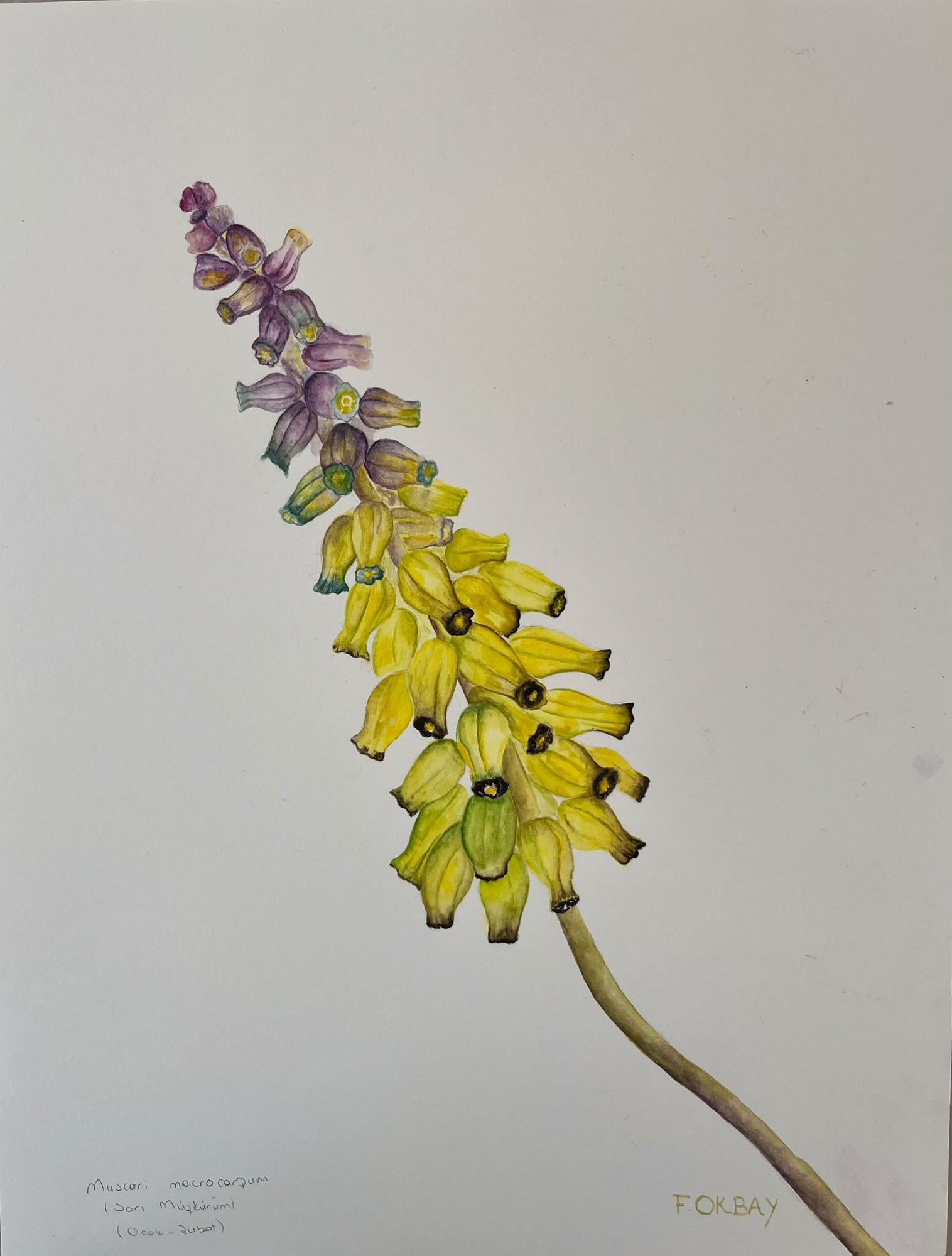
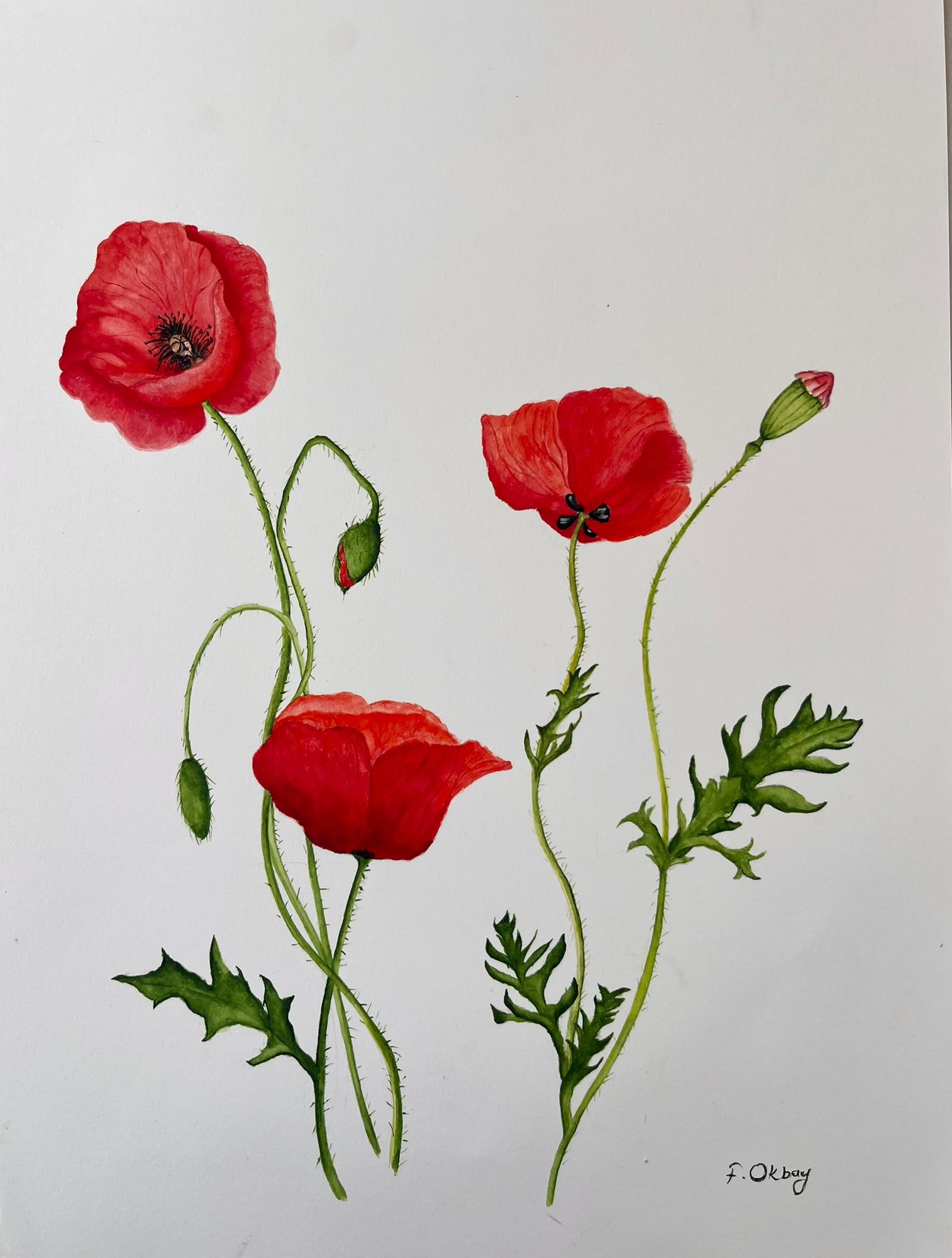
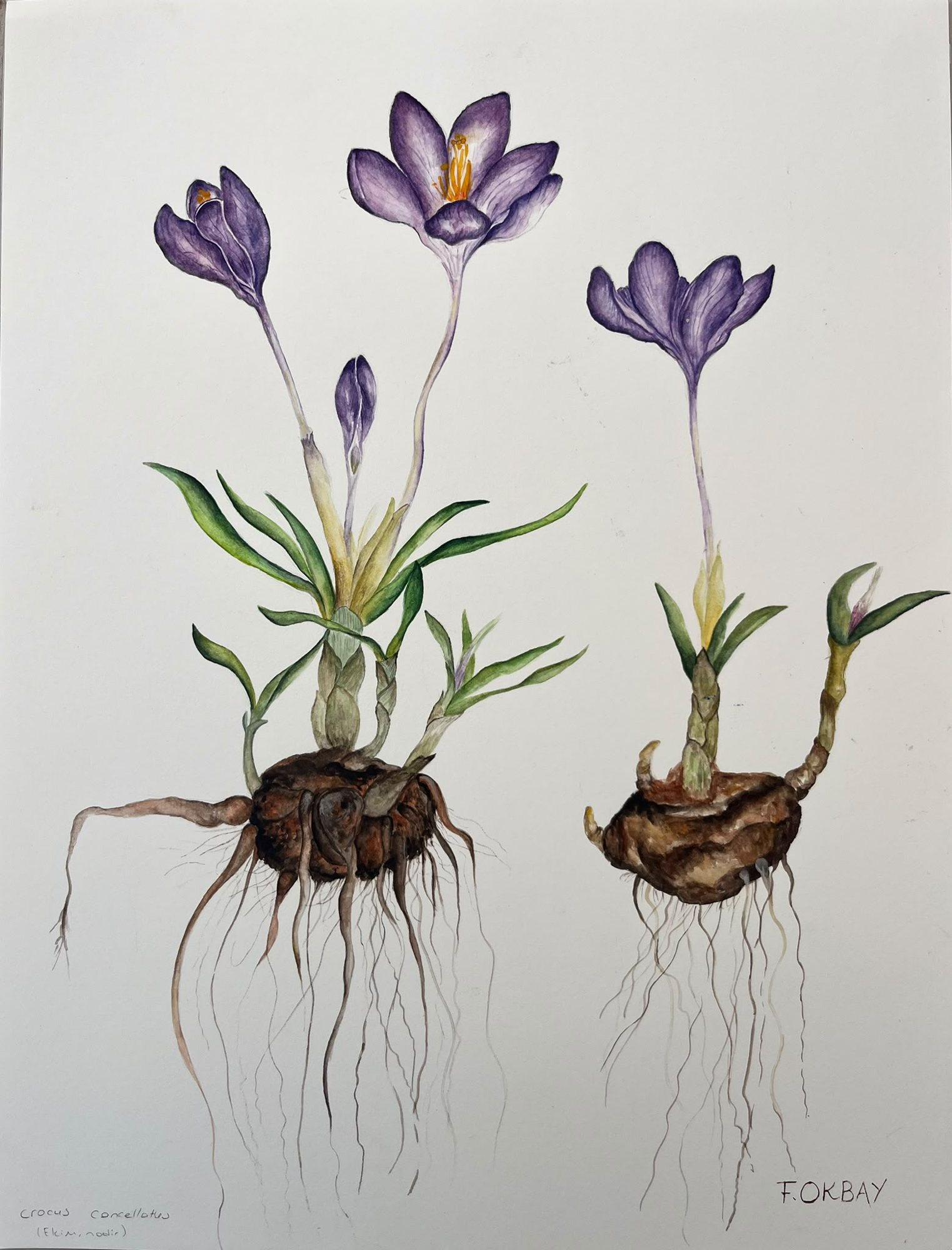
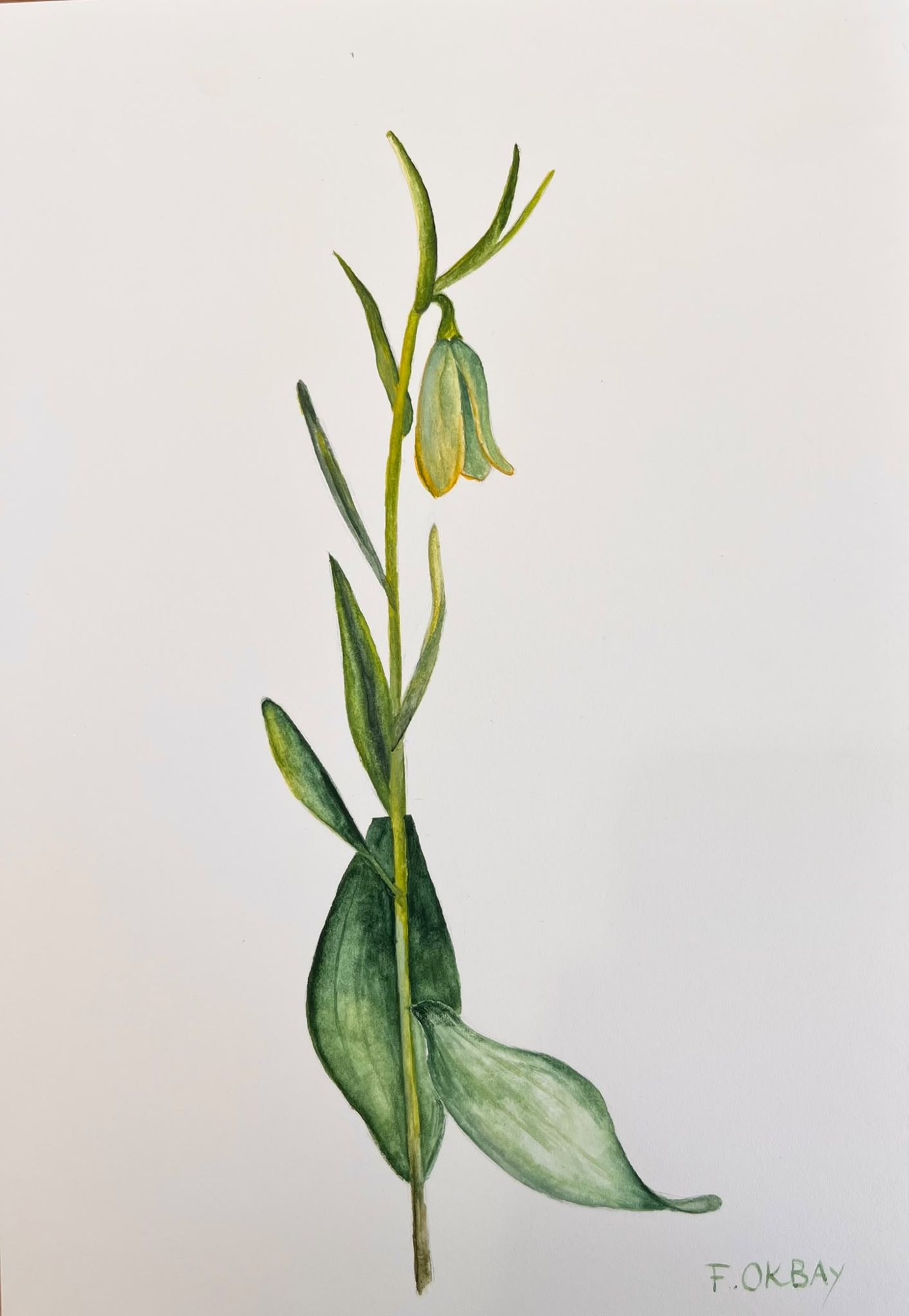
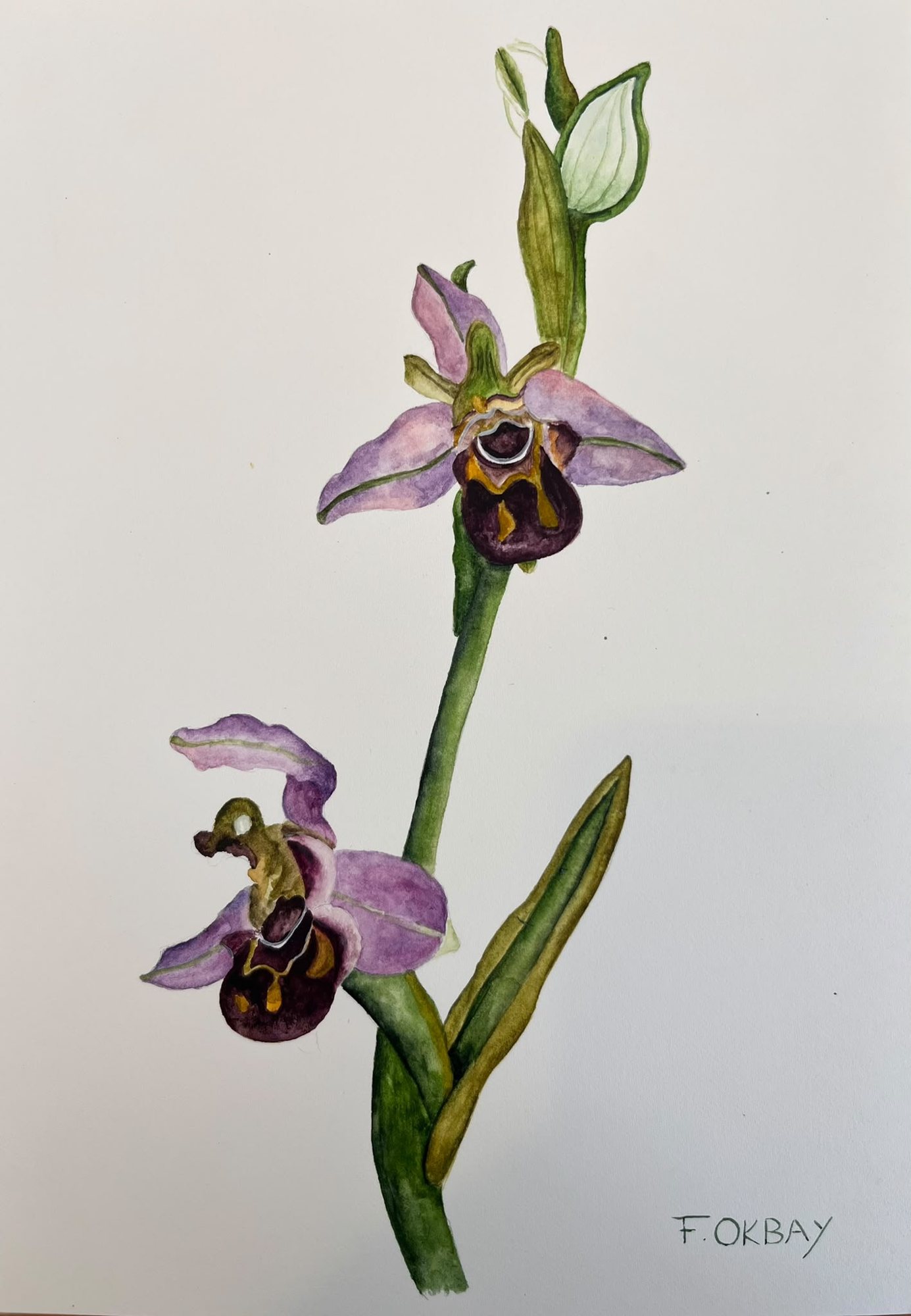
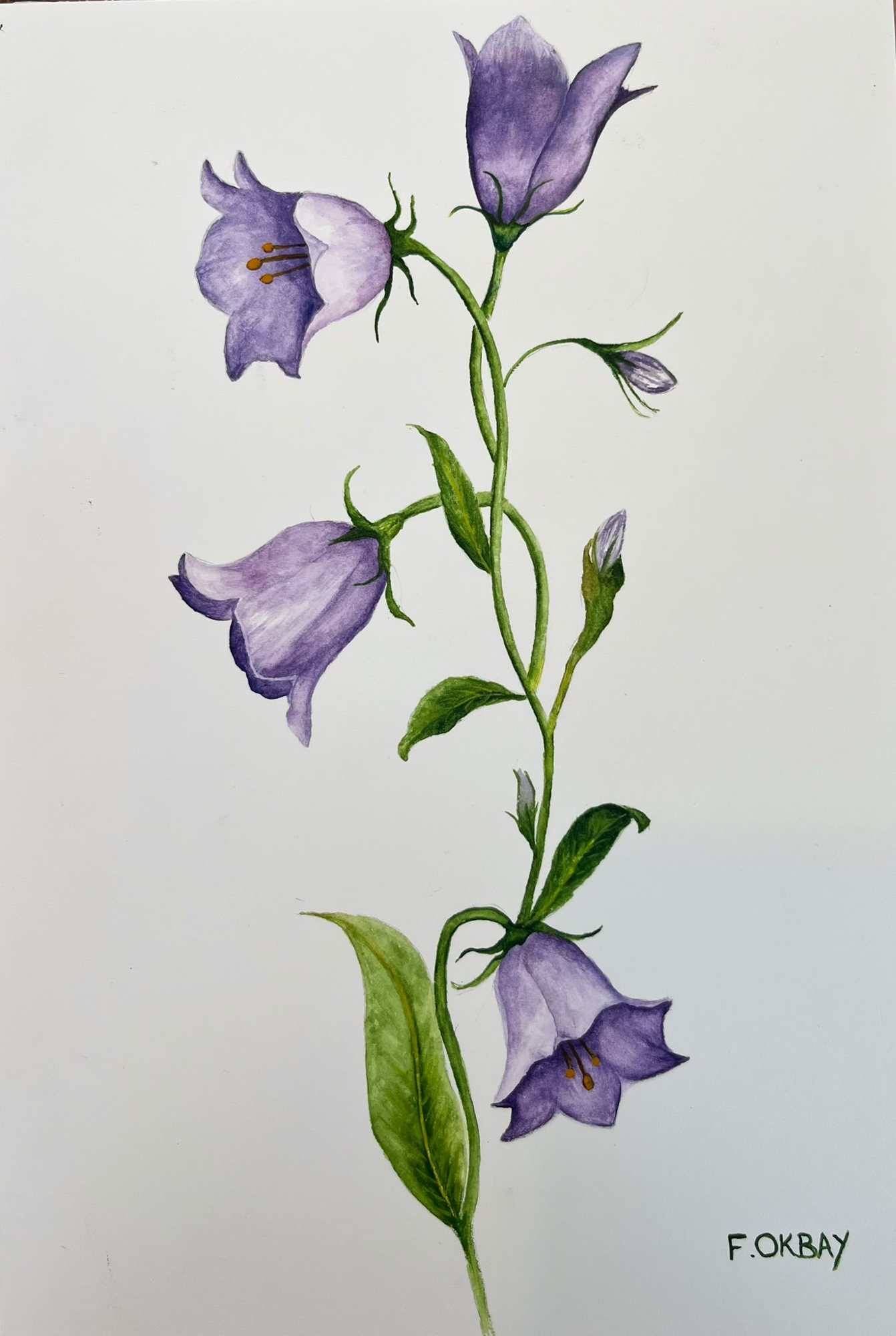
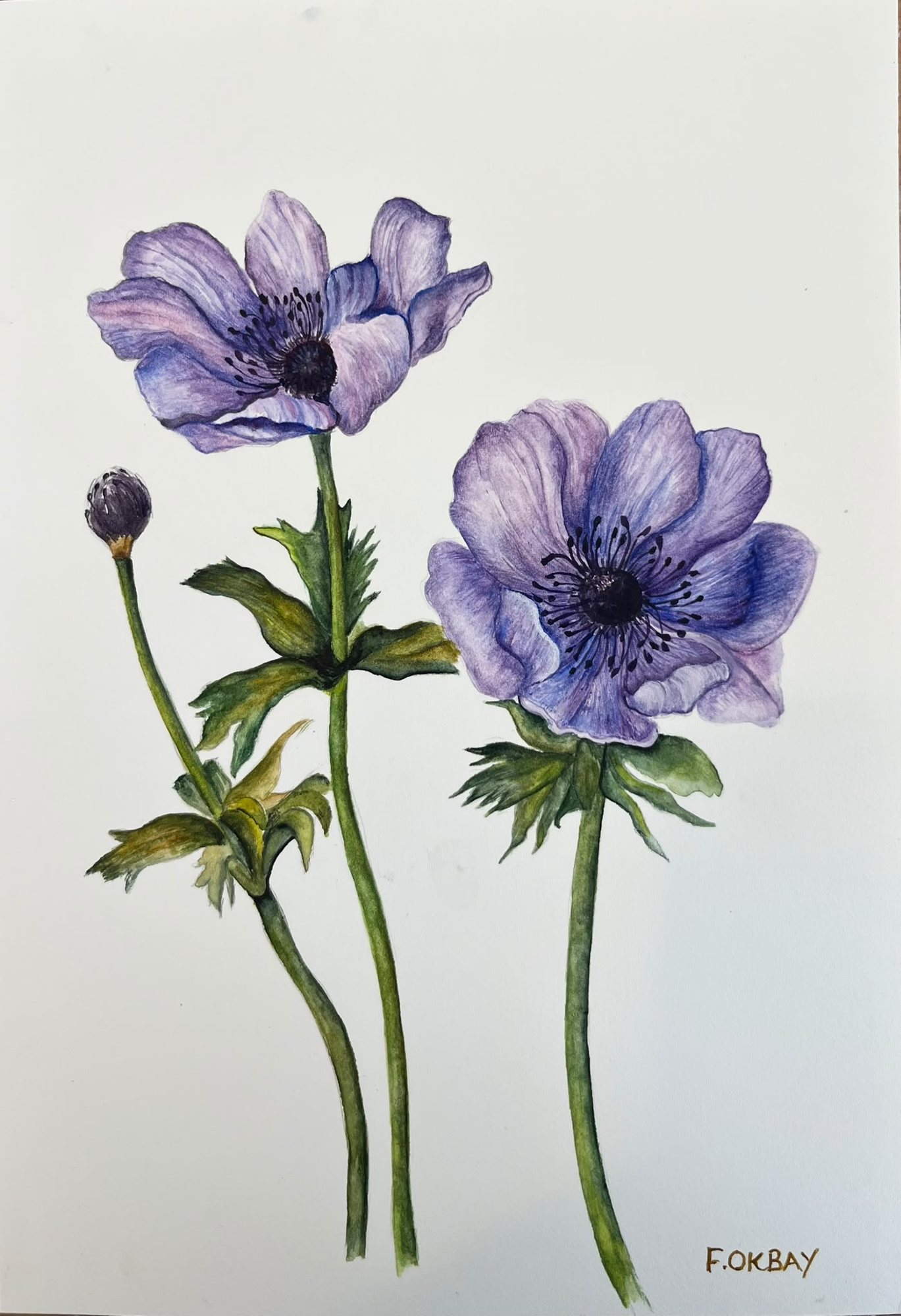
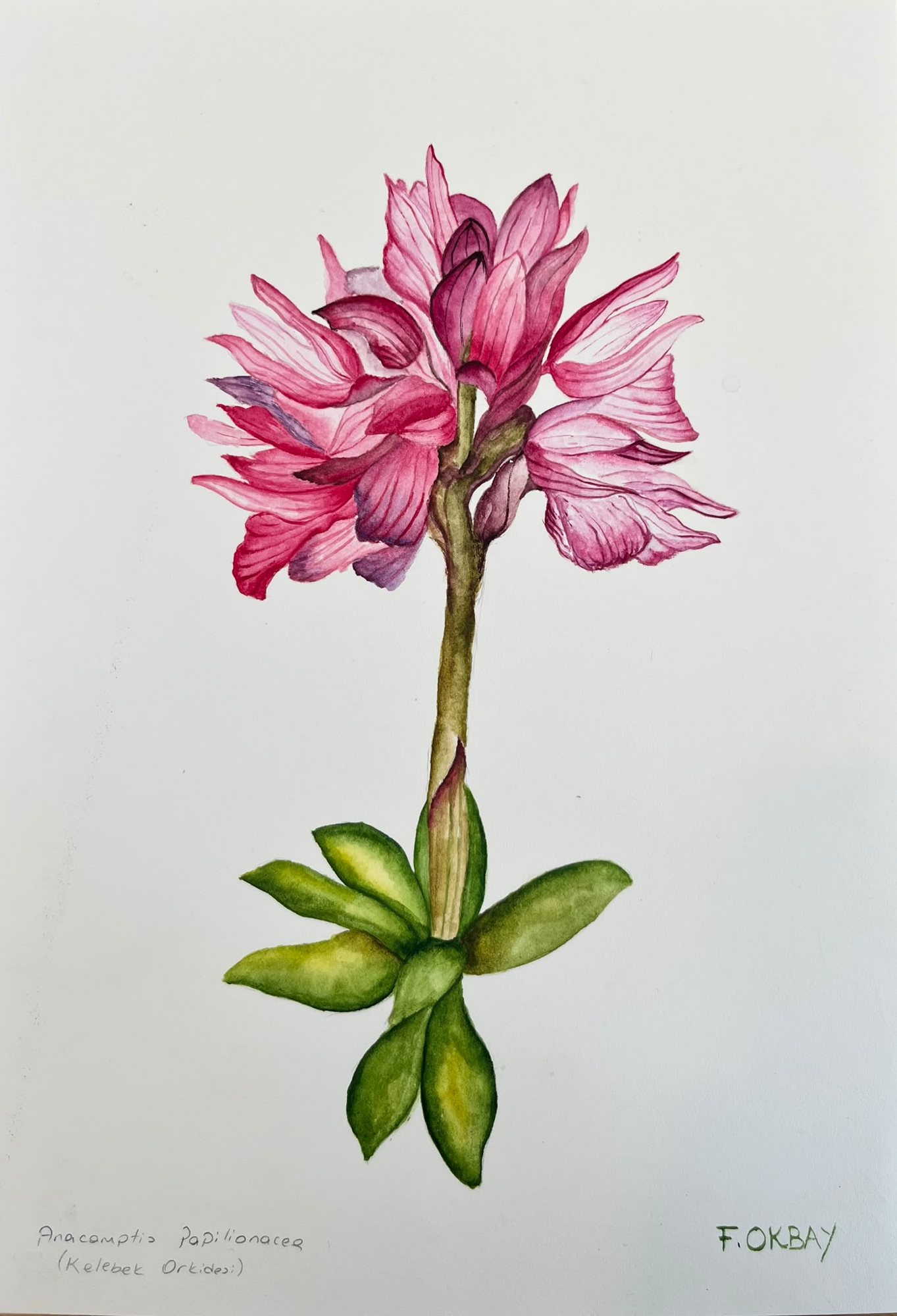
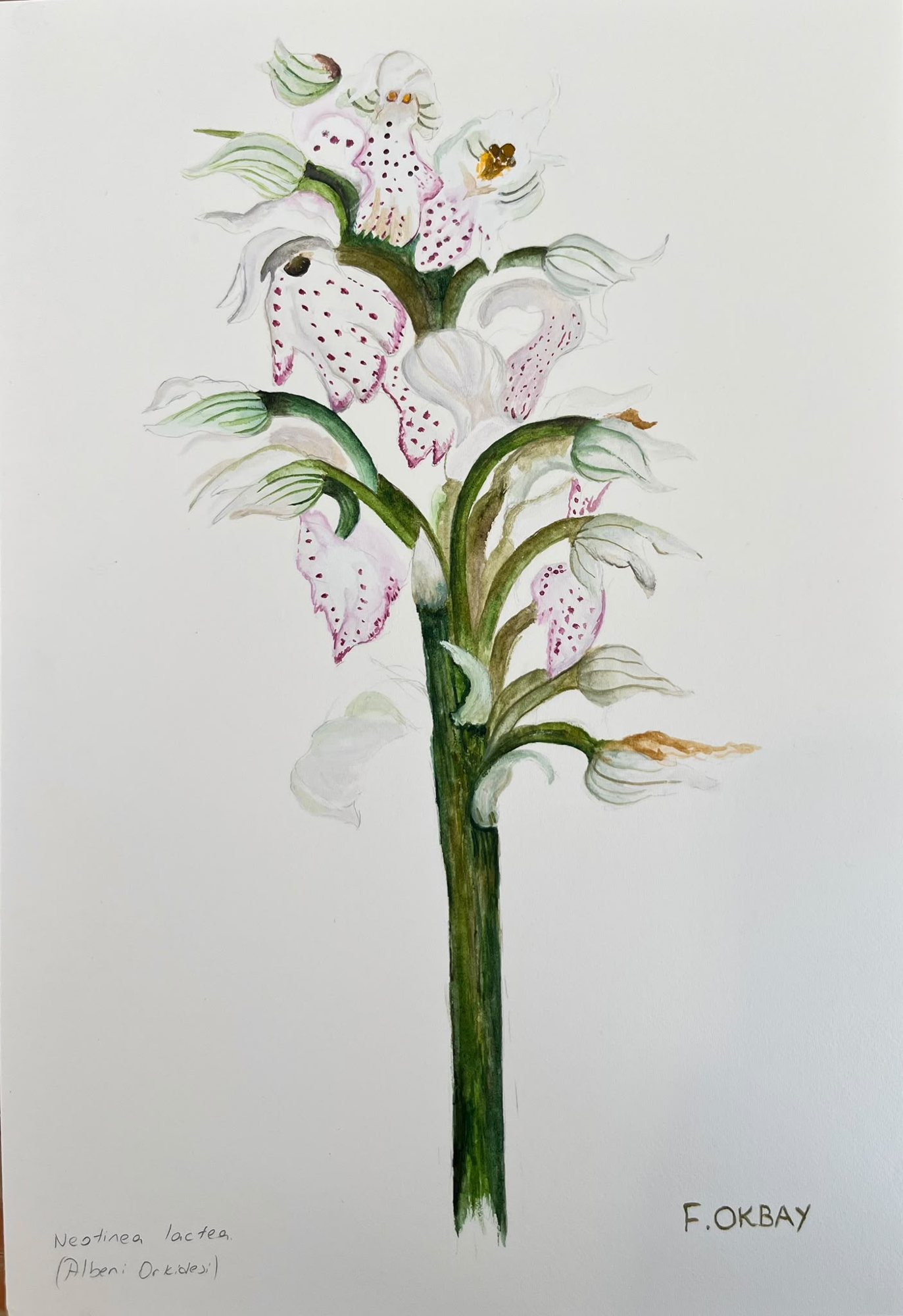
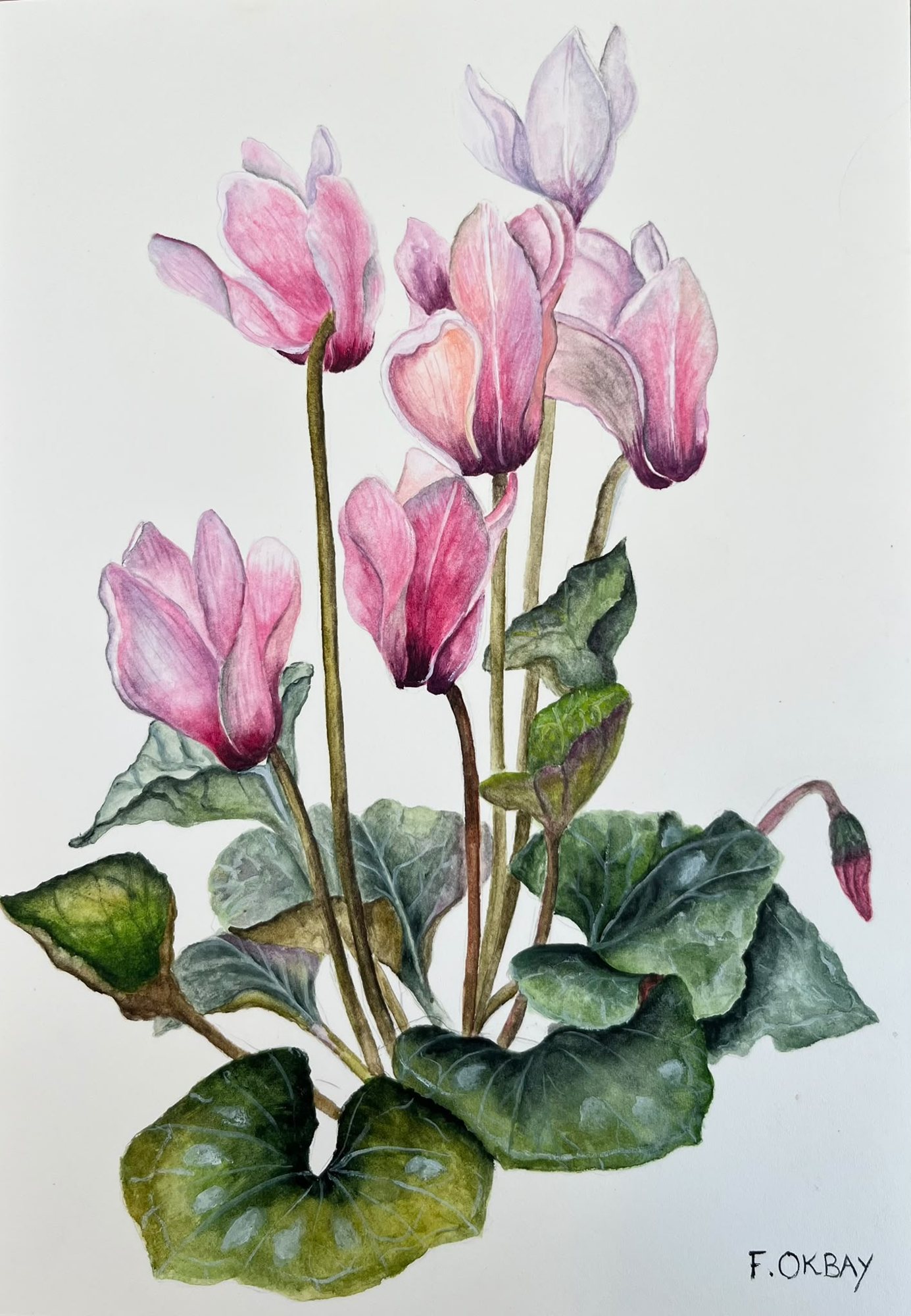
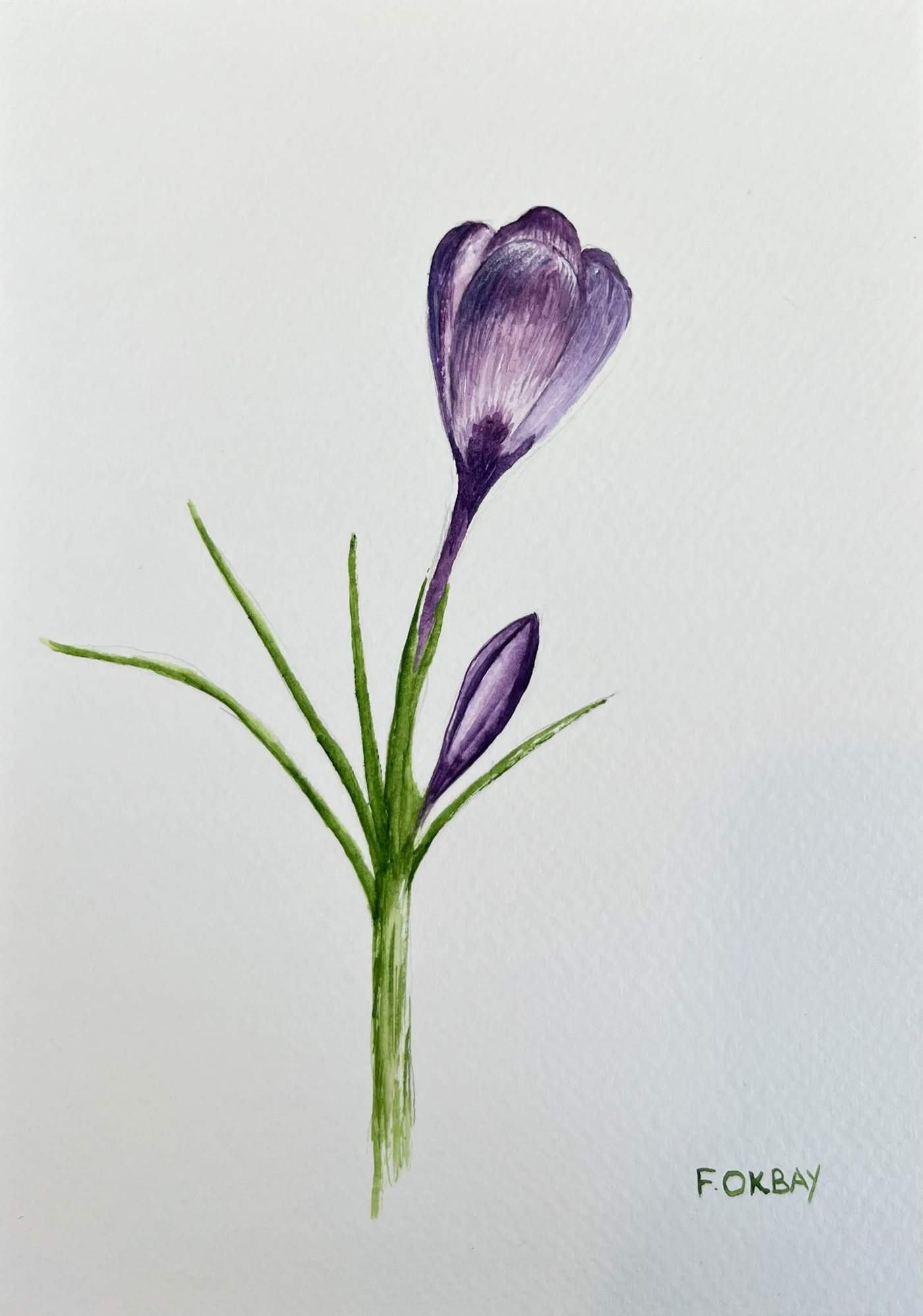
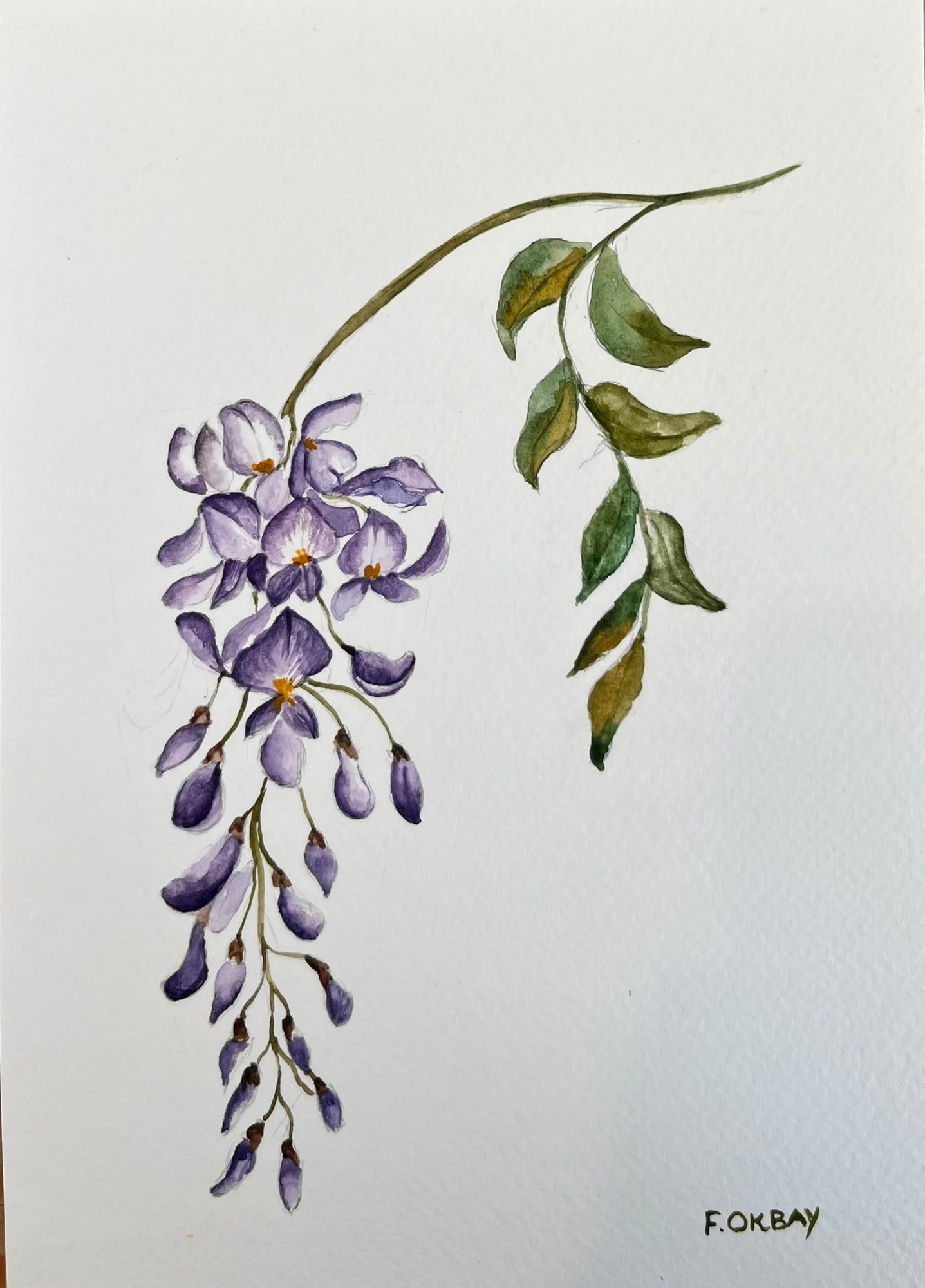
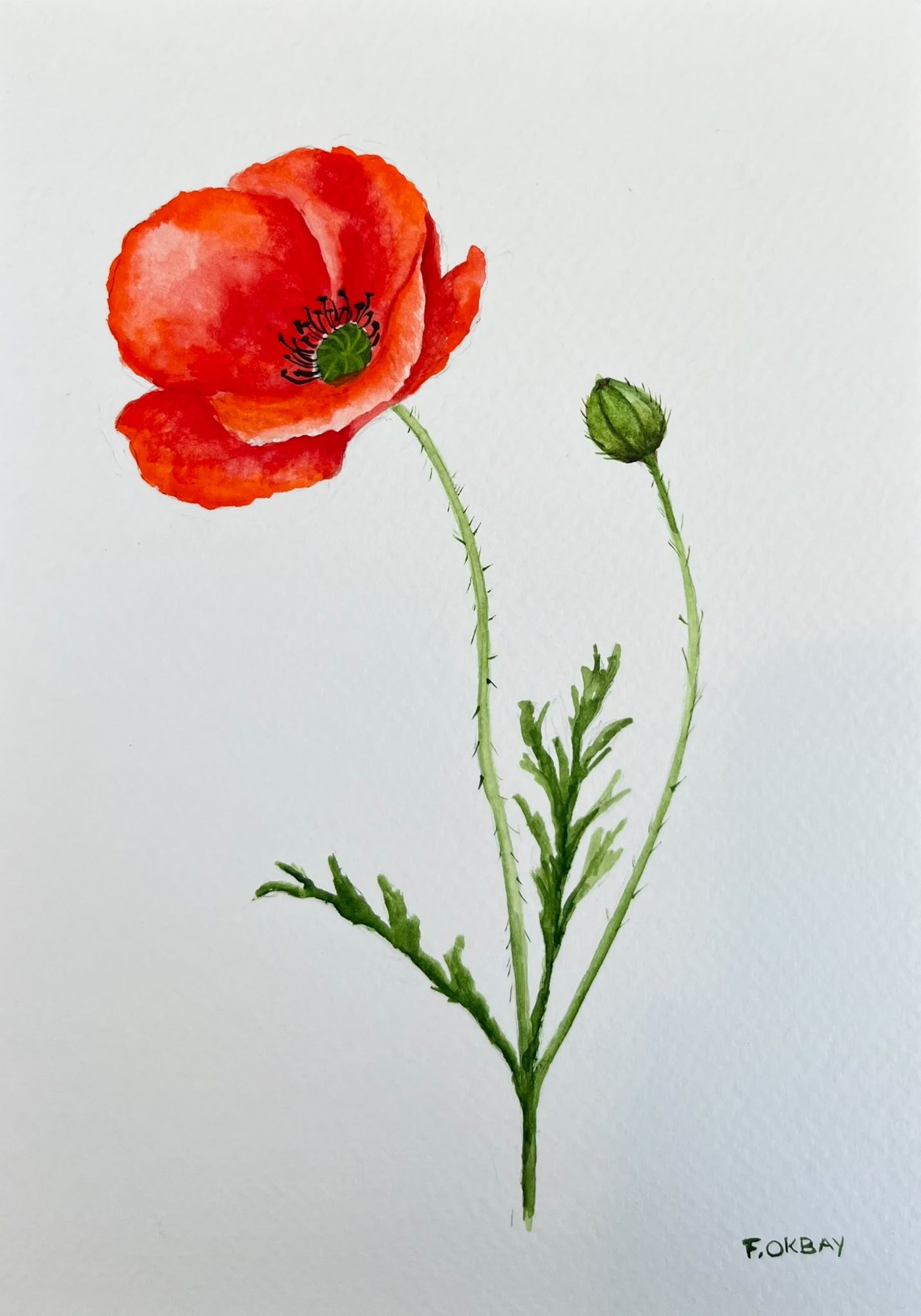
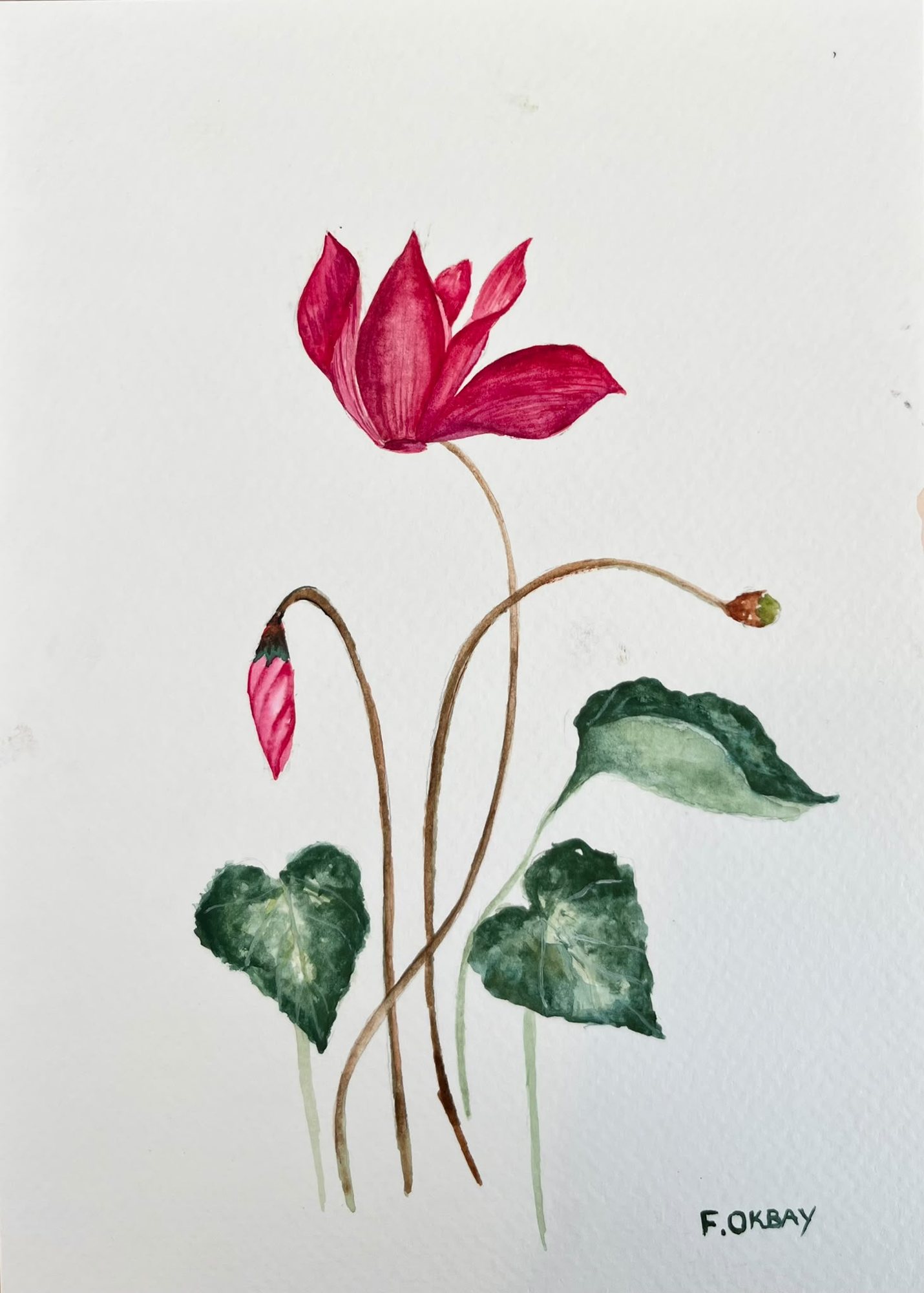
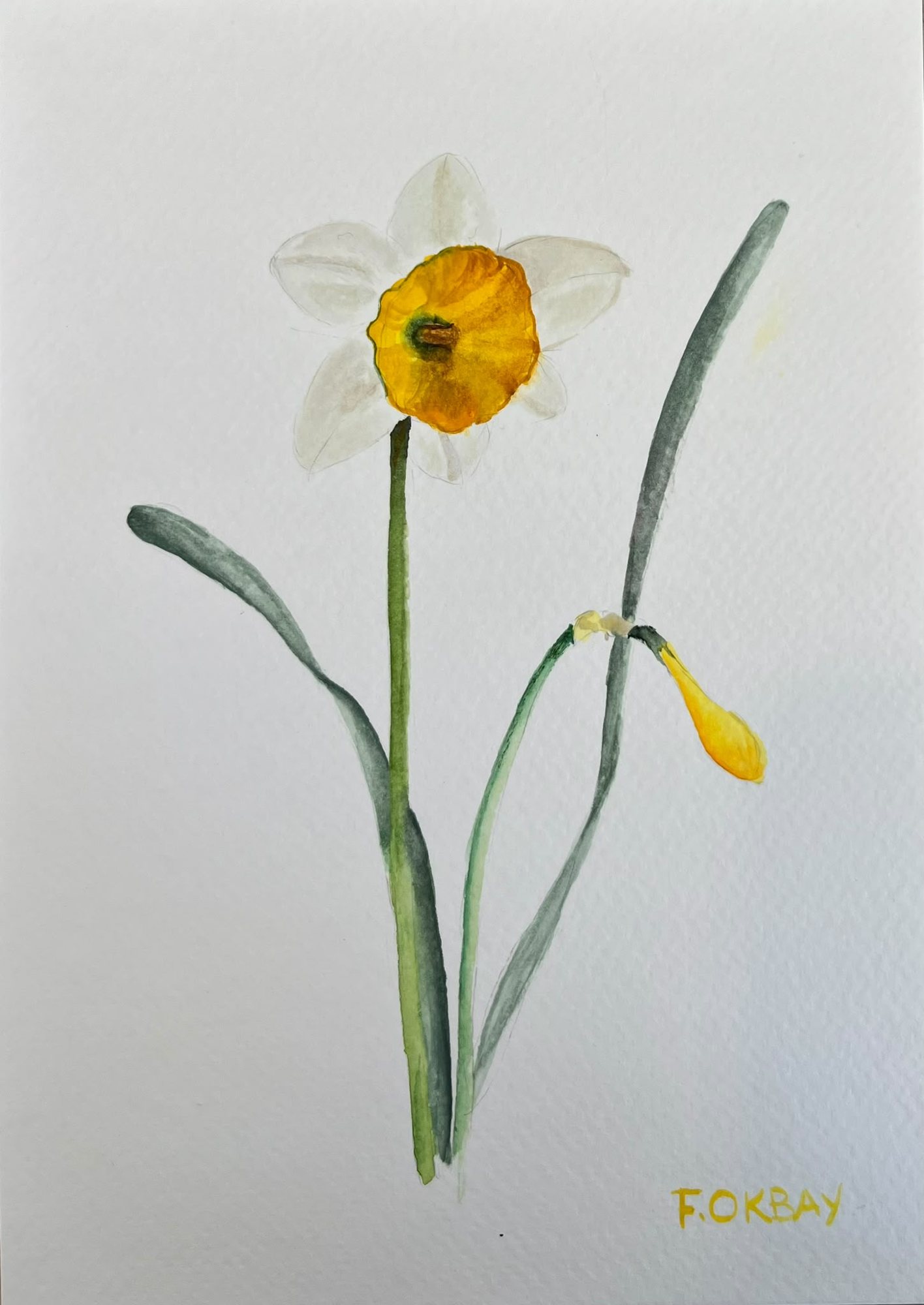
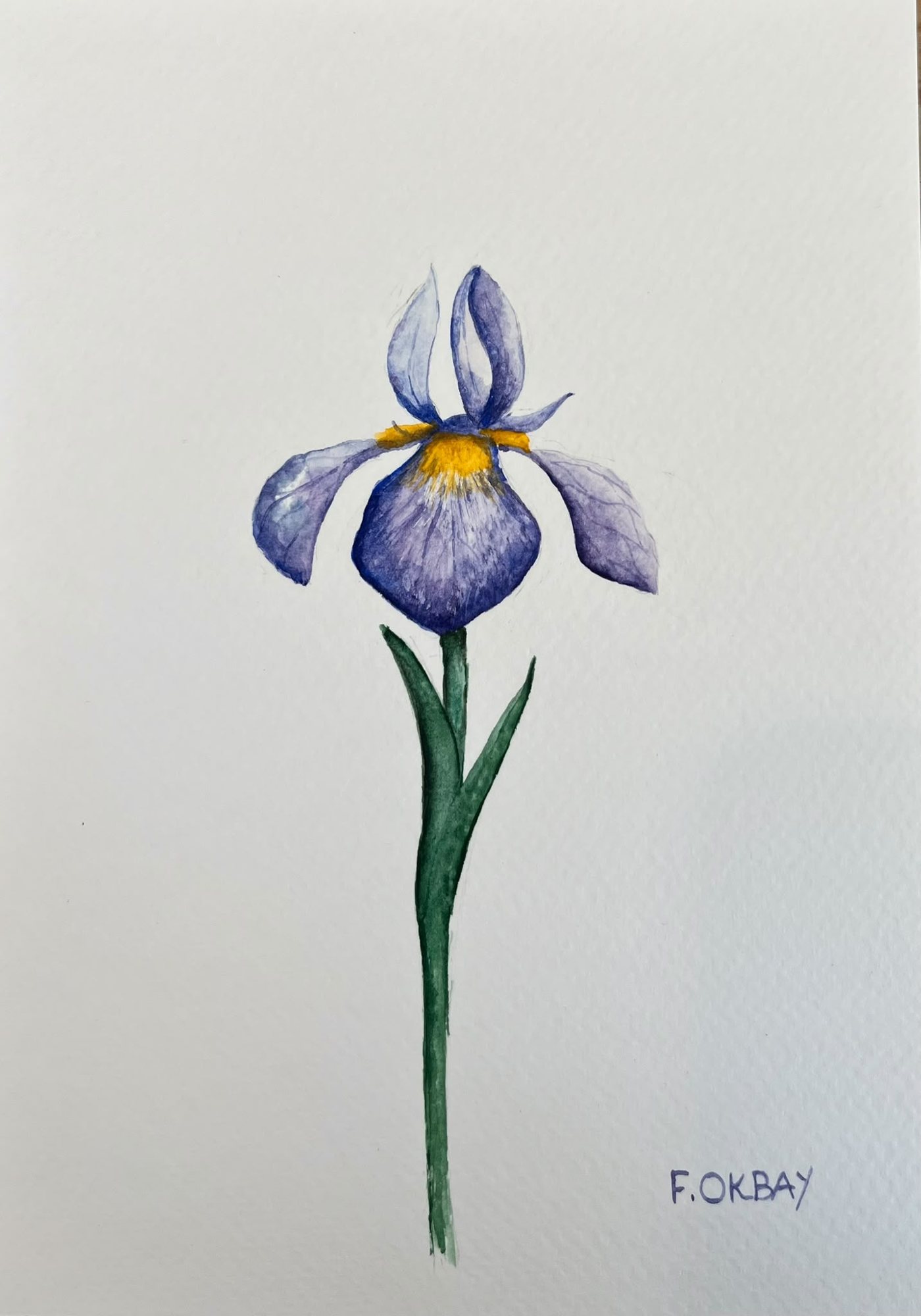
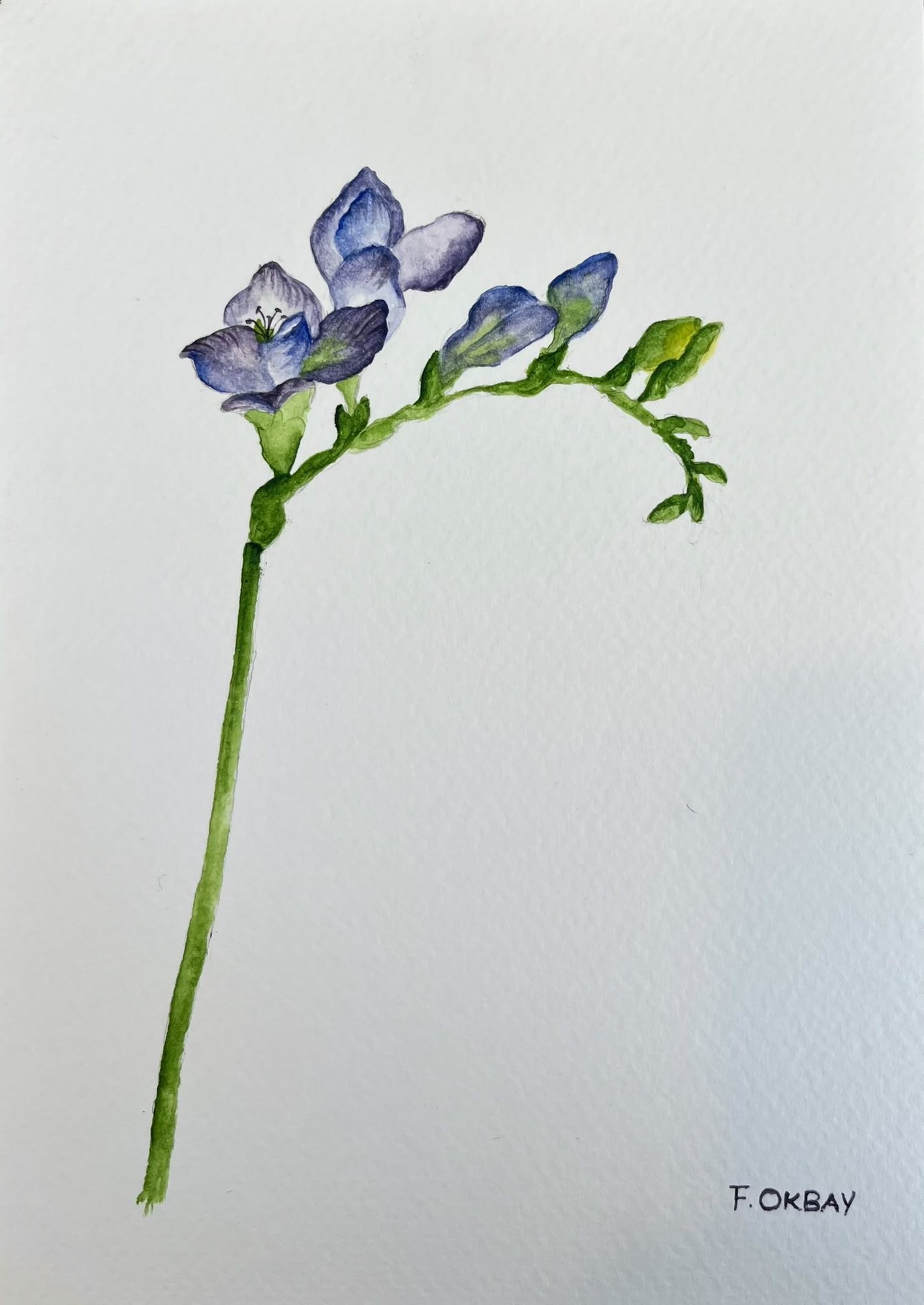
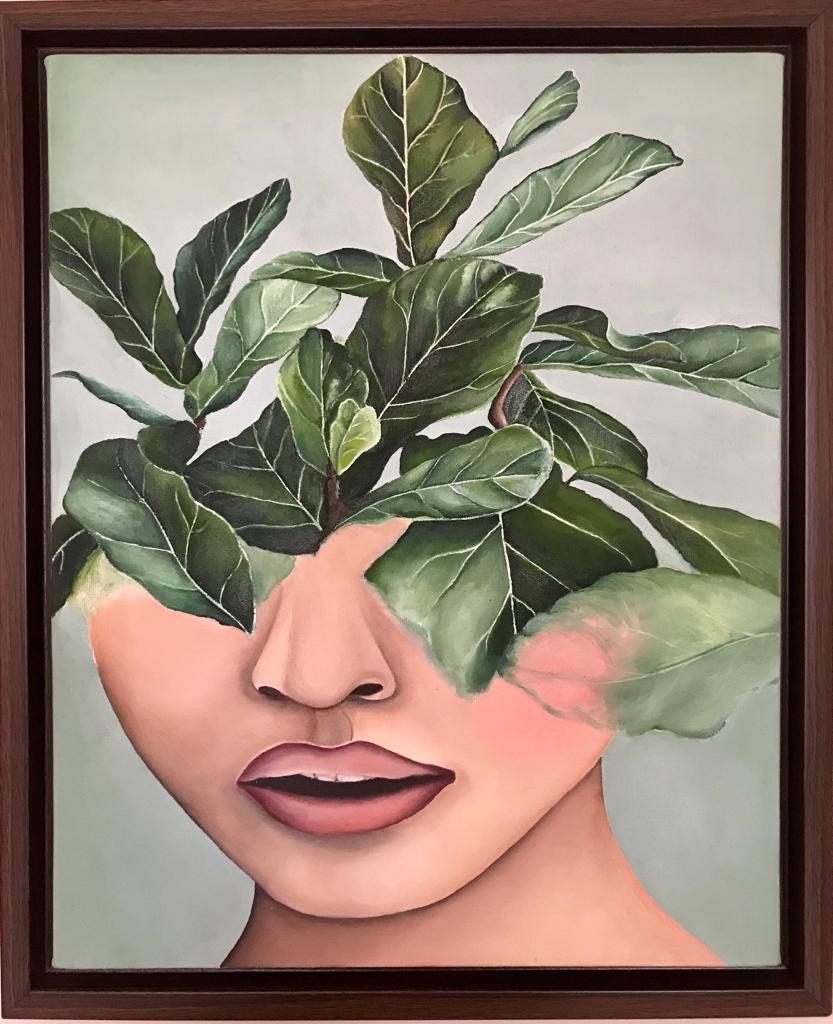
2024–2026The Datça Peninsula, where the Aegean meets the Mediterranean, is one of the regions of Türkiye with the richest plant diversity, thanks to its distinctive climate and geography. The endemic species, aromatic plants and rich flowering cover that grow on the peninsula have shaped not only the natural beauty of the region but also its cultural and economic life.
The exhibition aims to draw attention to the importance of protecting ecological diversity. The flora of Datça is not merely a visual beauty; it is a biological balance, a sustainable way of life and a natural heritage to be passed on to future generations.
The morphological features of the plants, their habitats, their ecological roles and their cultural uses are conveyed to the visitor. In this respect the exhibition does not only offer a visual experience; it also highlights the importance of the flora of Datça for biodiversity, the balance of the ecosystem and sustainability. Each plant carries a trace in the historical memory of the region, a meaning in its way of life and a value in its collective memory.
The first step in protecting nature is getting to know it. This exhibition invites you to explore the unique plant world of Datça from a scientific point of view and to share the responsibility of protecting it.
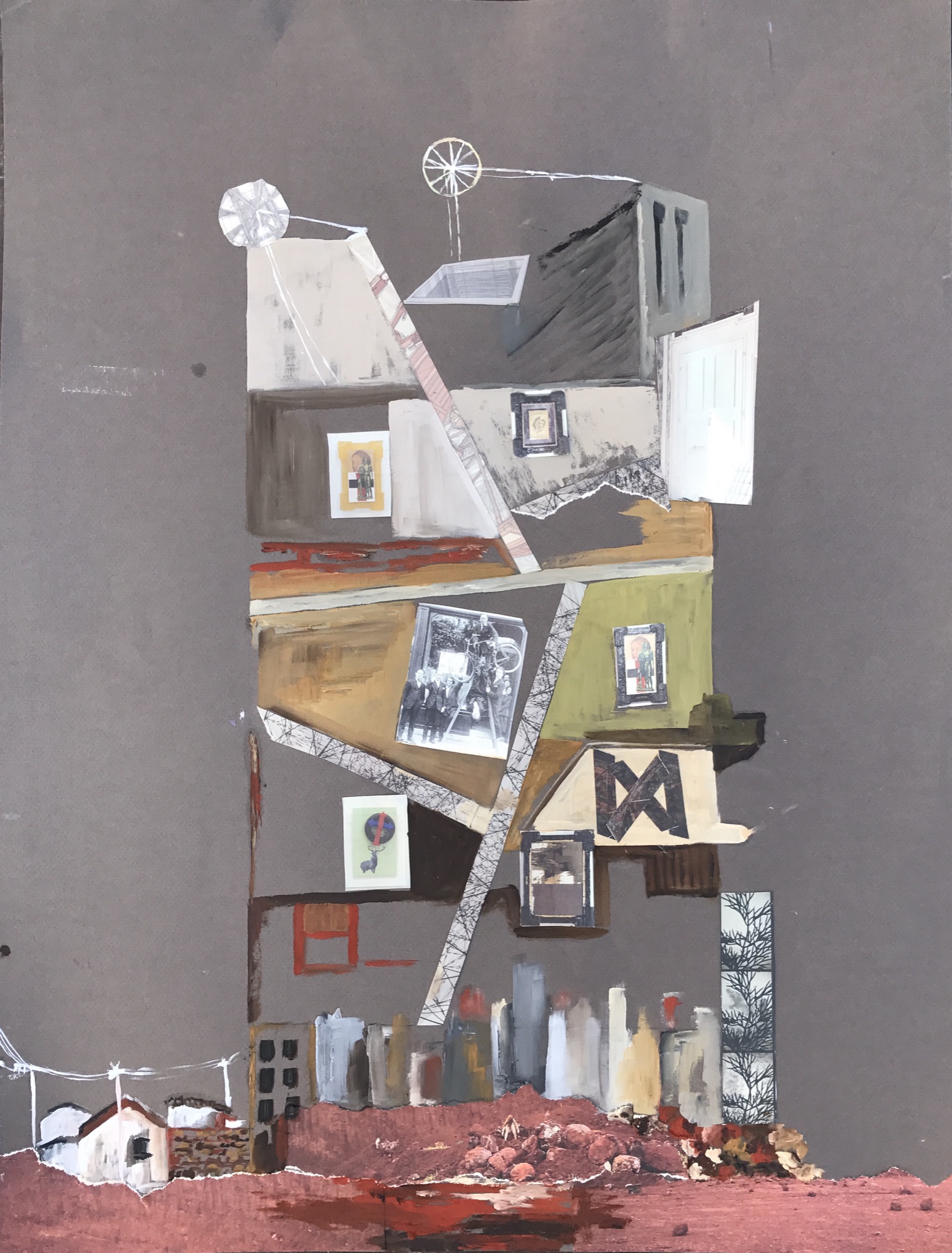
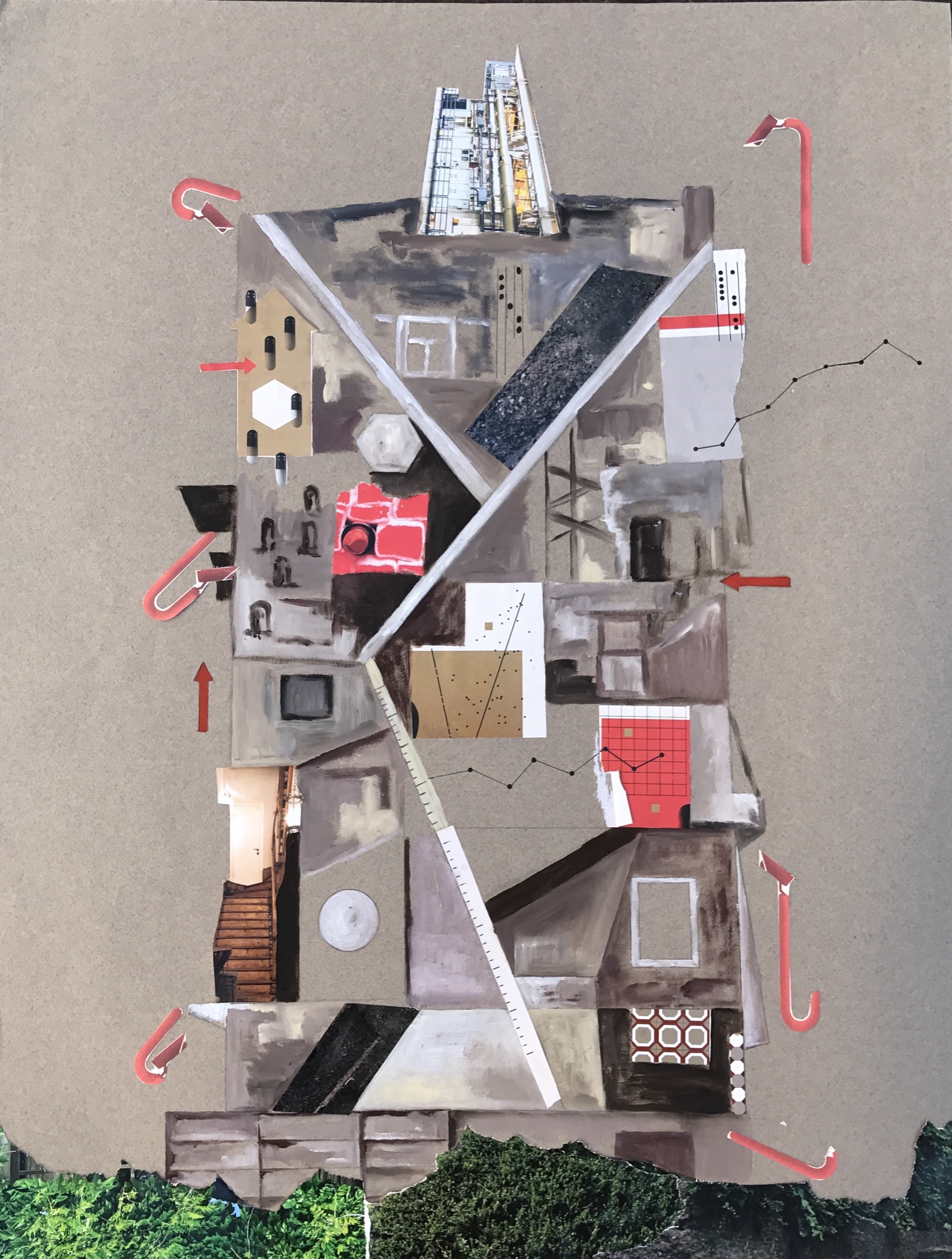
The Babel Towers of Modernity
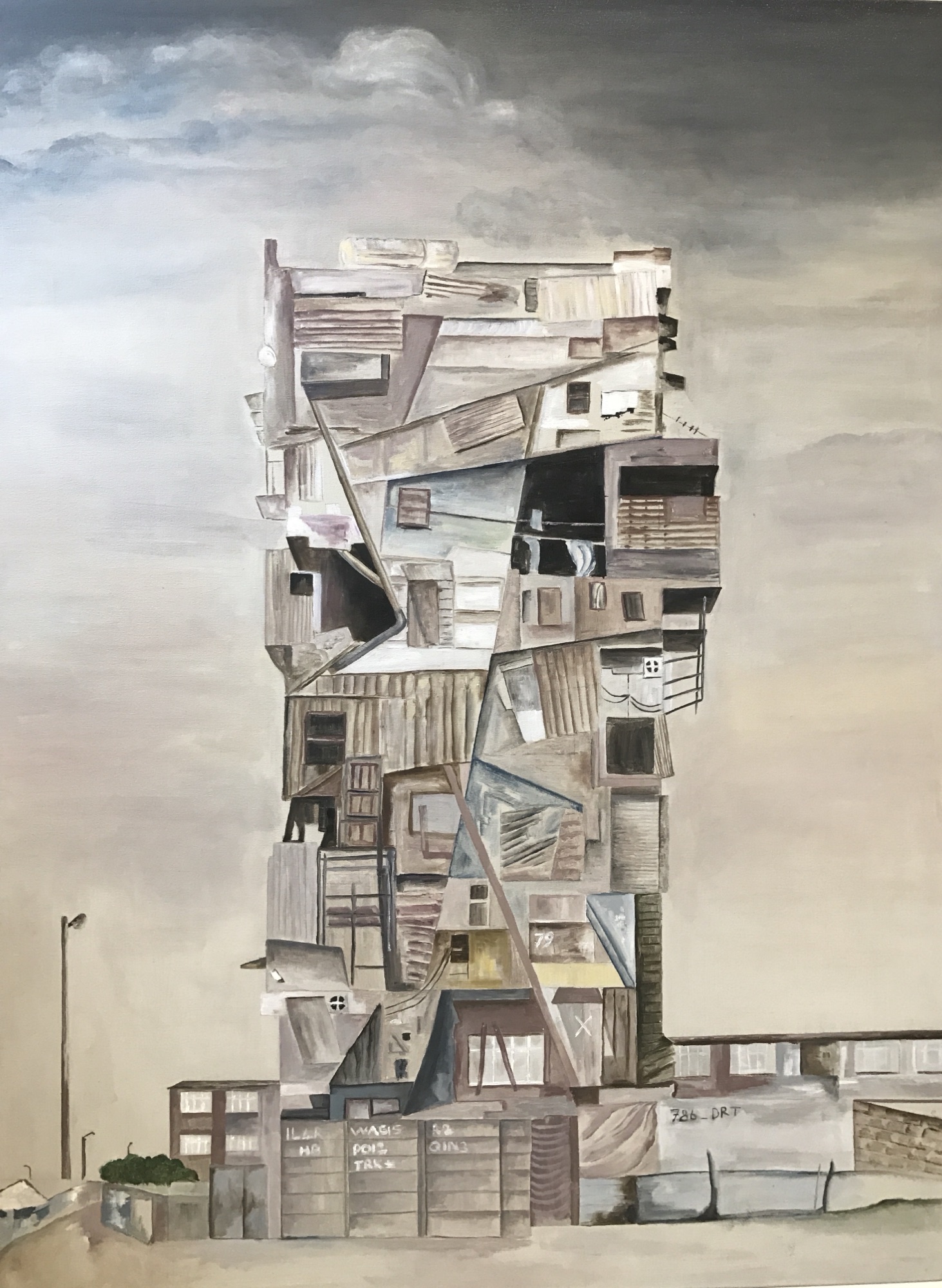
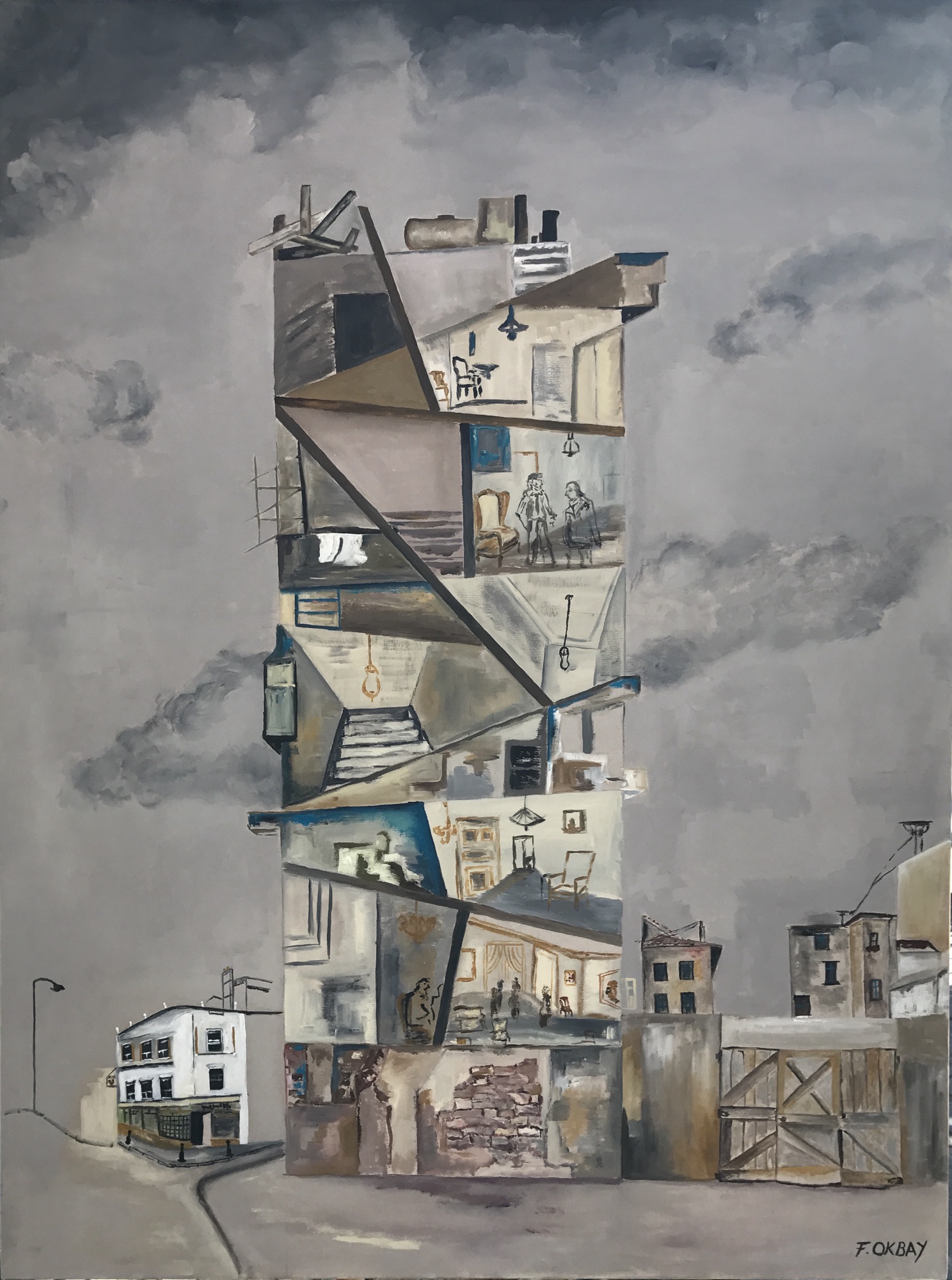
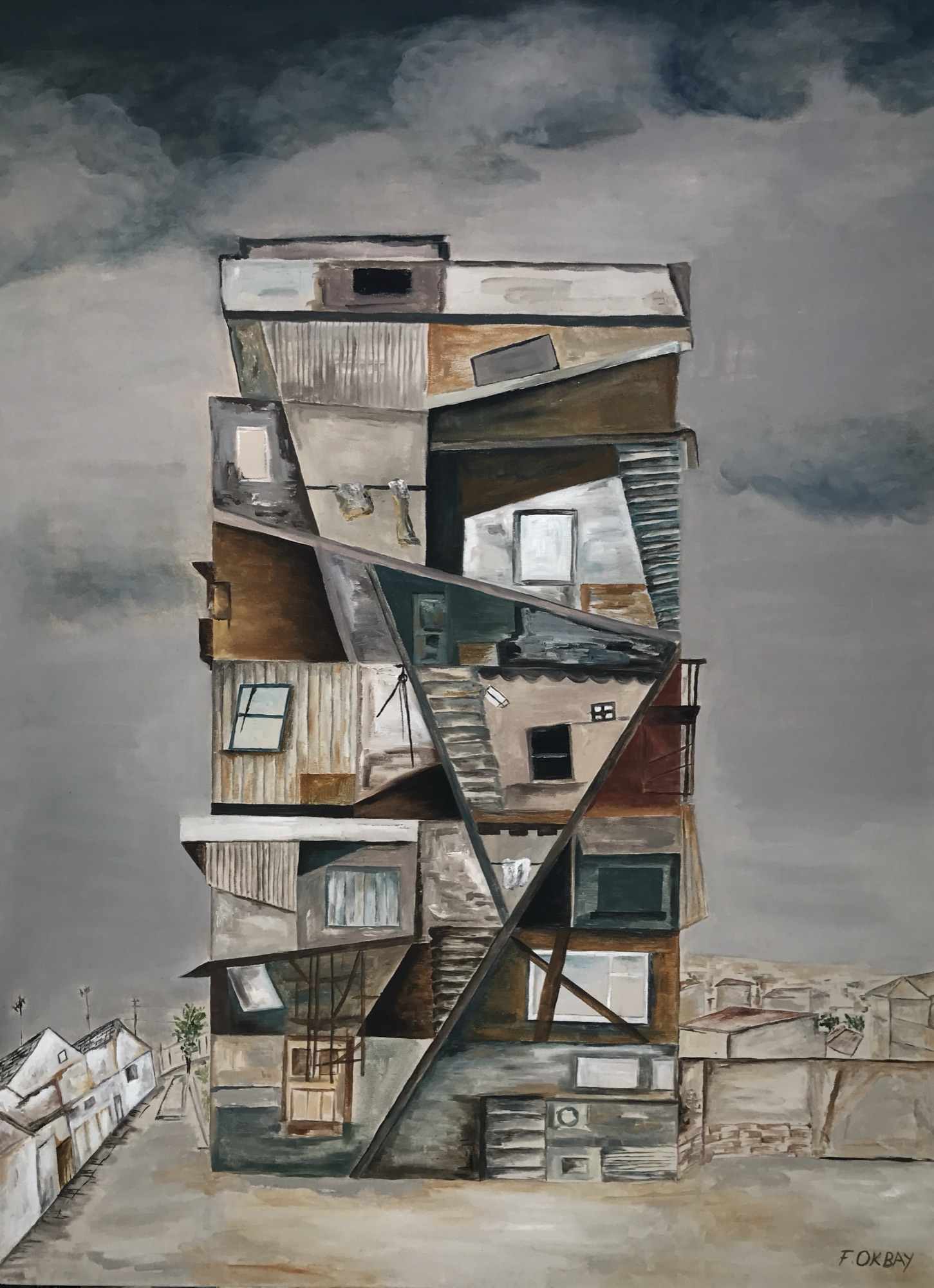
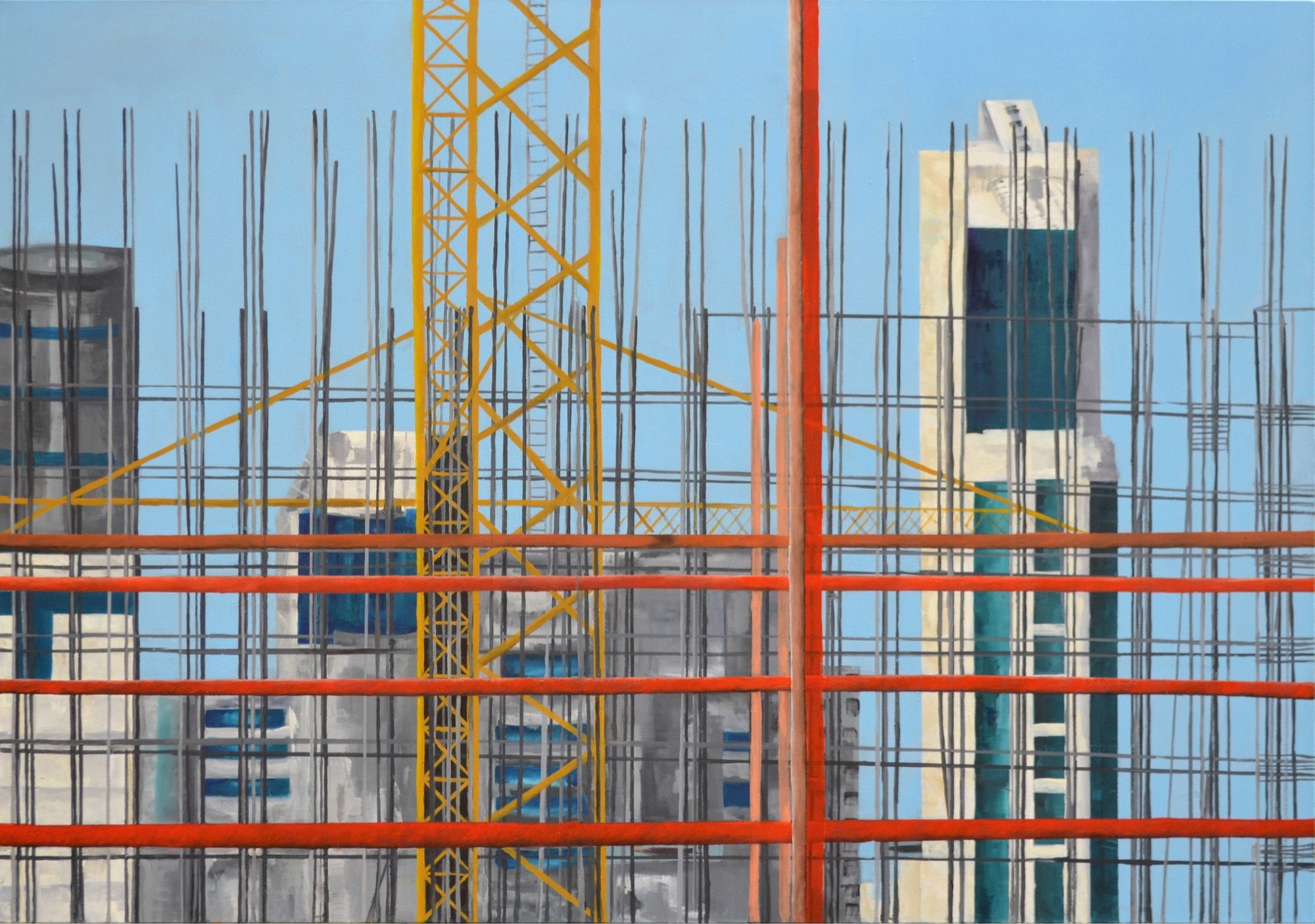
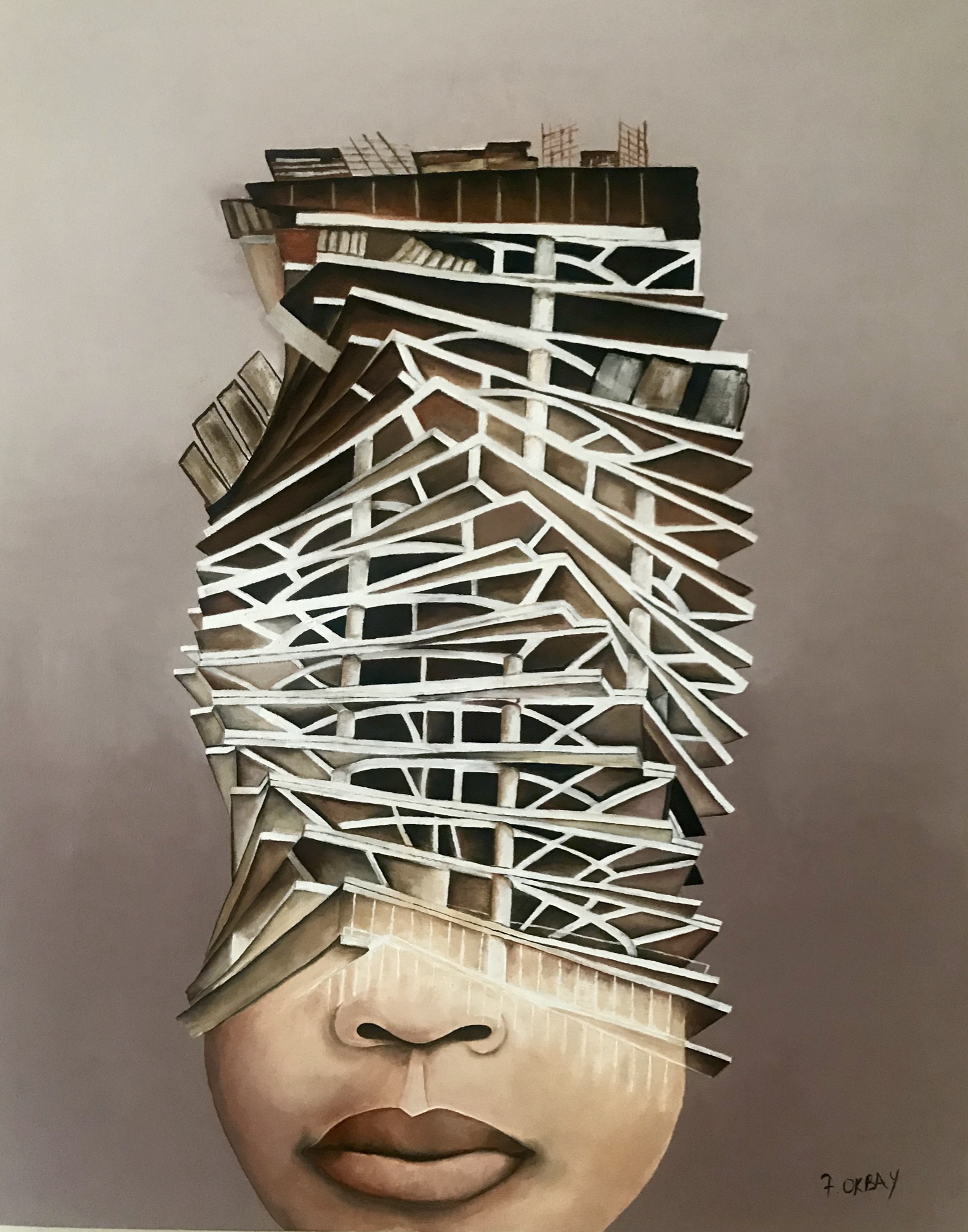
2014–2015The way modern life, through urbanisation and capitalist monetary policies, leaves the individual with a sense of being lost has become more and more a fact of life. With this unstoppable and remarkably rapid change, cultural values are lost, ways of living change, metropolitan streets are squeezed into construction sites, and a transformed, mismatched urban fabric of identical, balcony-less, featureless architecture has all but swallowed people whole. Amid calculations of profit, the social structure too suffers a great erosion.
While this unplanned and uncontrolled spatial development was explained away as something that might benefit the poorer classes, the situation turned into its opposite and became a complete irony. In this process, people of limited means were inevitably pushed to the outskirts of the city. Istanbul, home to many civilisations and to different faiths and cultures, is among the cities where the effects of globalisation are felt ever more strongly. Yet globalisation here appears far removed from aesthetic values, operating instead within a discipline that mostly serves profit.
As many historic sites and neighbourhoods are rebuilt through urban transformation projects, the fabric of some districts is altered and transformed along the way. In these new urban plans the emphasis is not on how the buildings look from outside, but on how the outside looks from the buildings. In this process not only physical structures are being built; the elements that form the backbone of the society we live in, such as tradition, culture and identity, are being constructed as well. The skeletal structure in my paintings is, in a sense, a reference to these corrupted cultural values. As the city is rapidly restructured under the pressure of global competition, it keeps the elements that fall outside the system outside the structure, and in this context a kind of alienation comes into being.
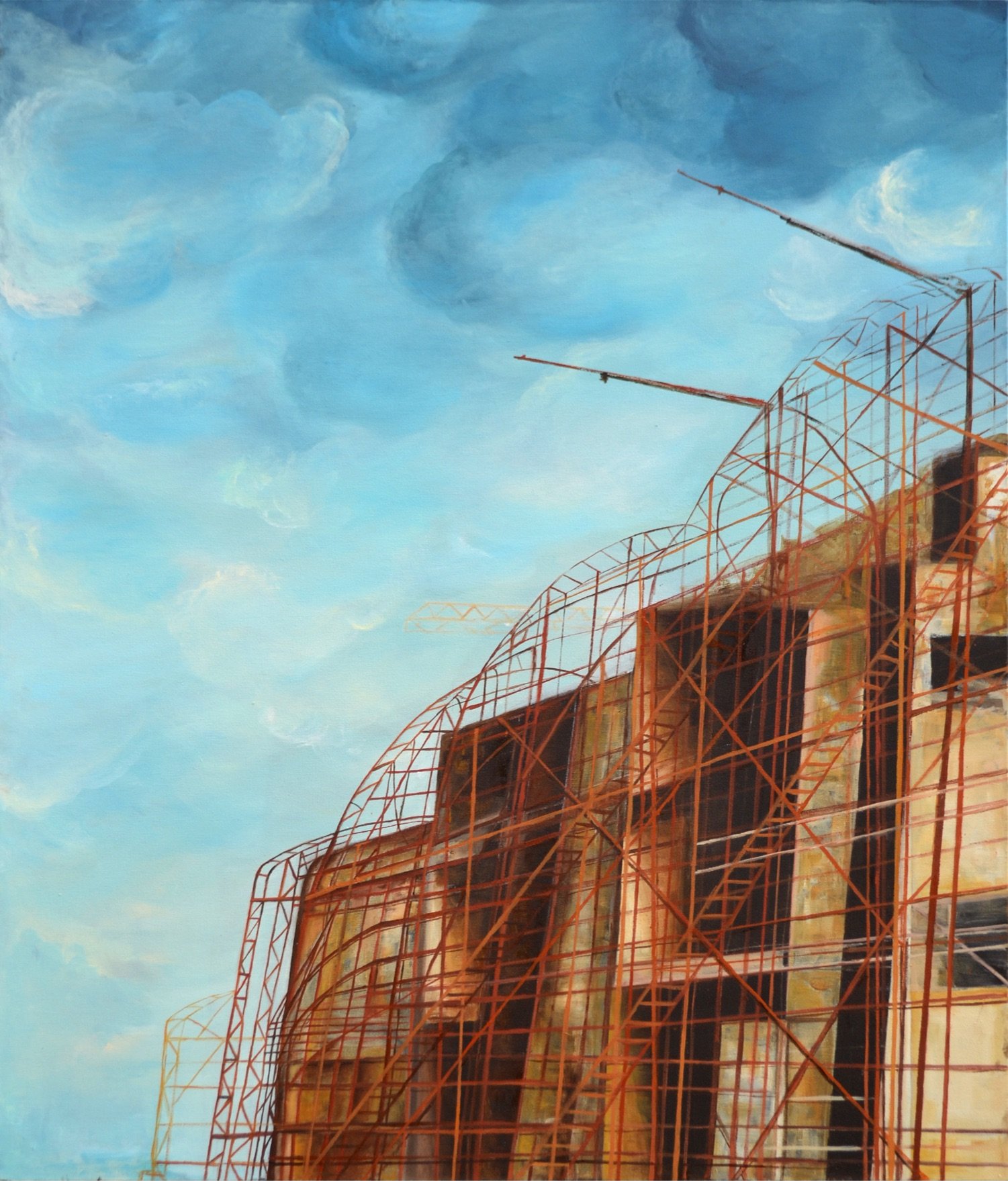
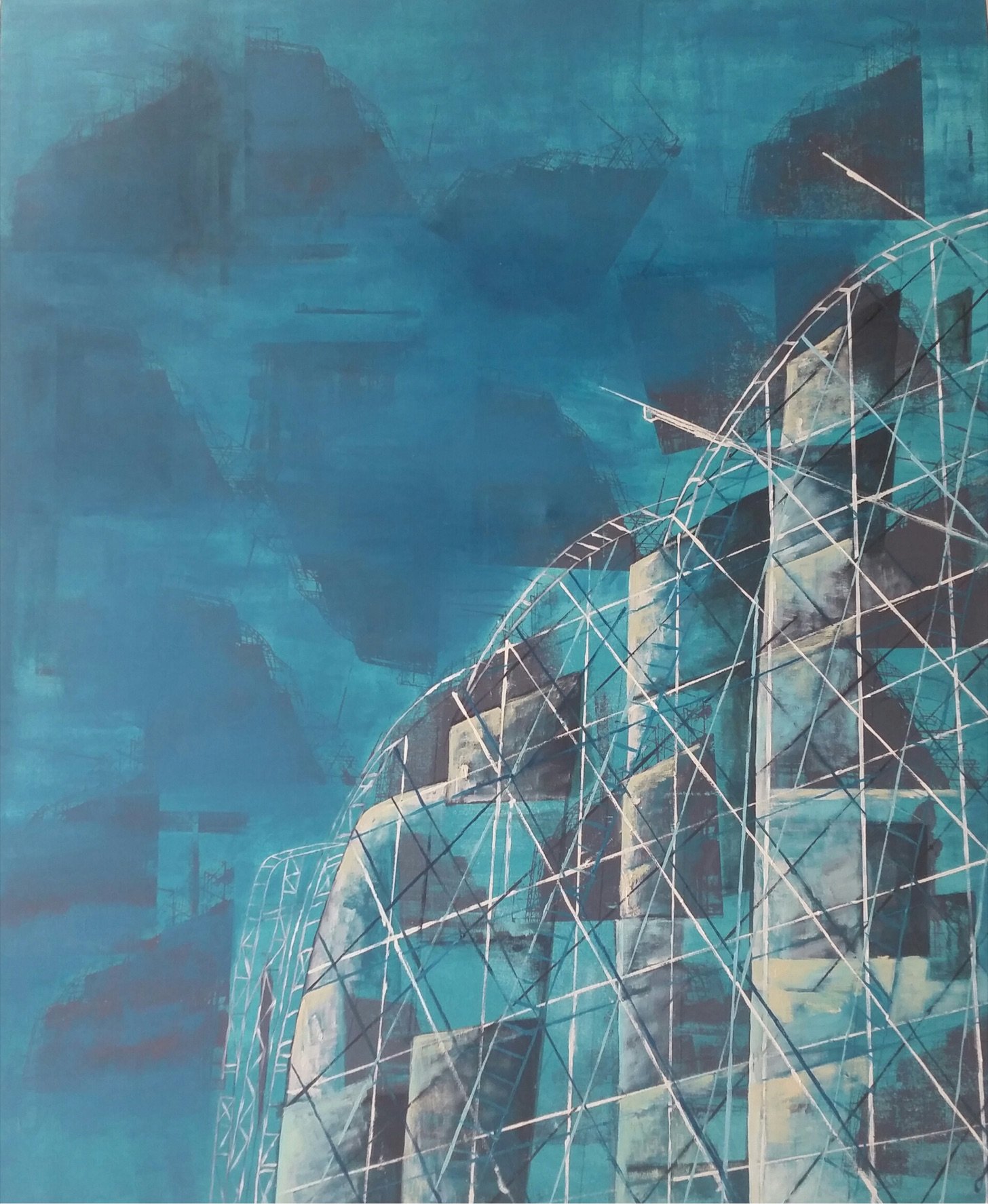
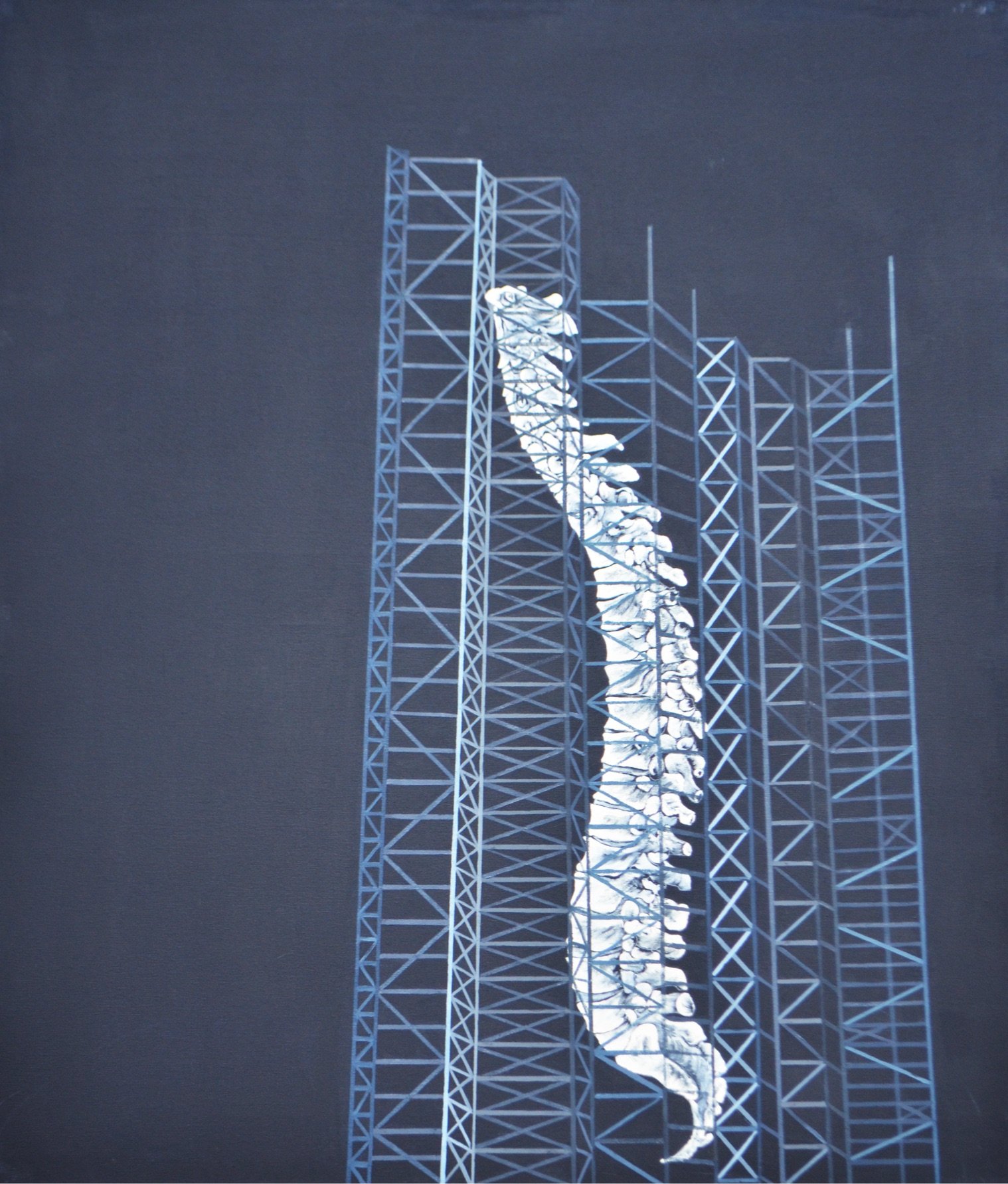
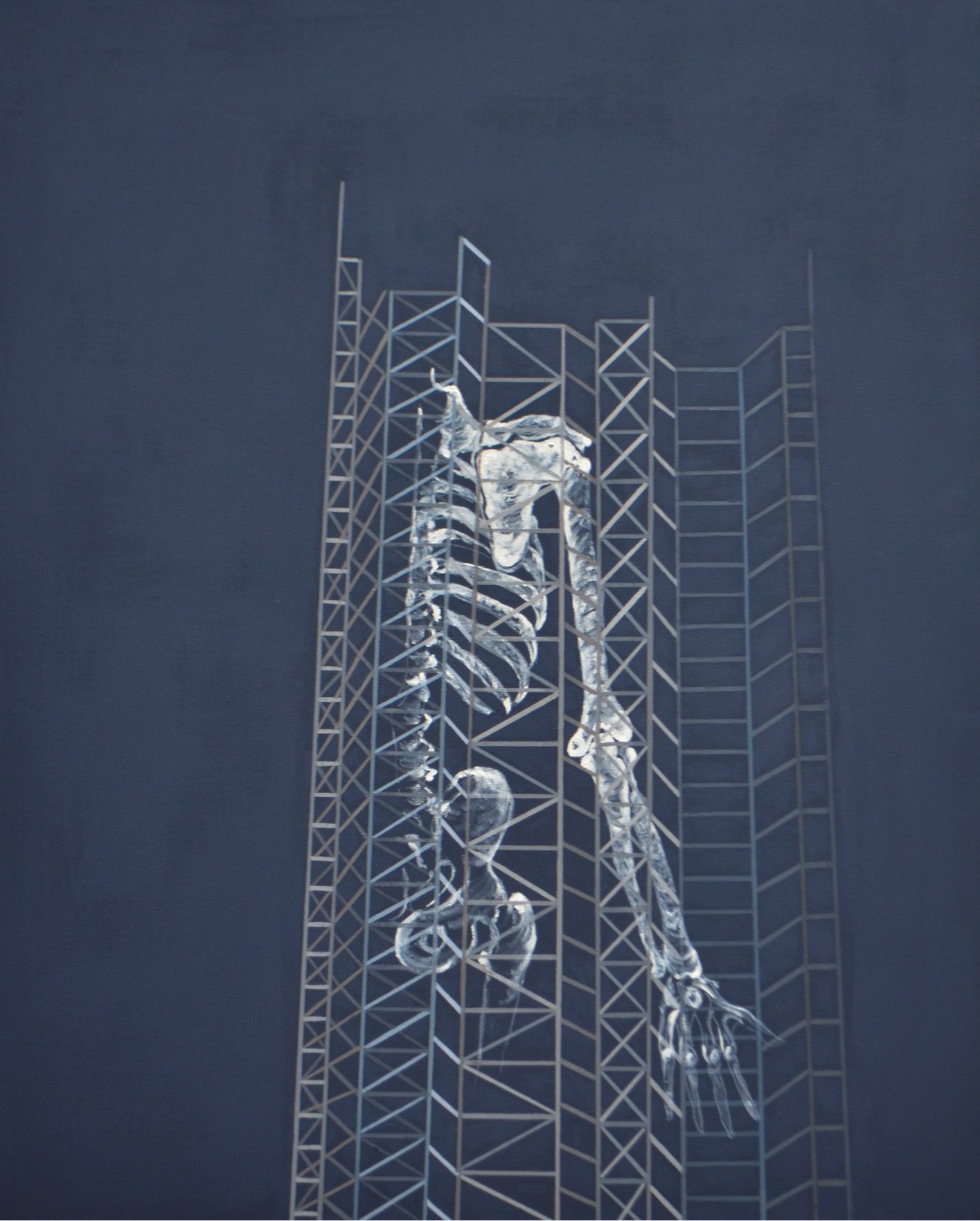
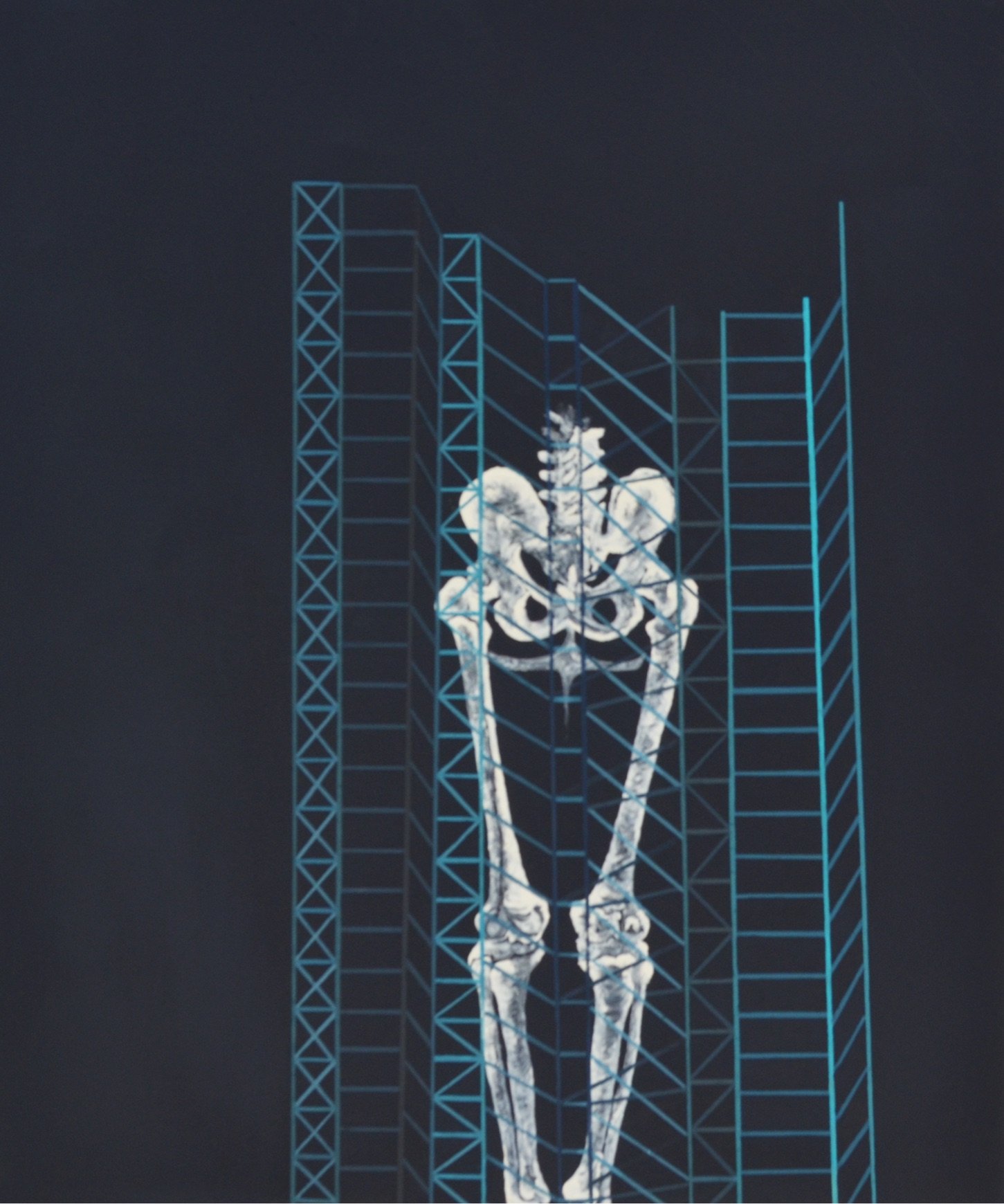
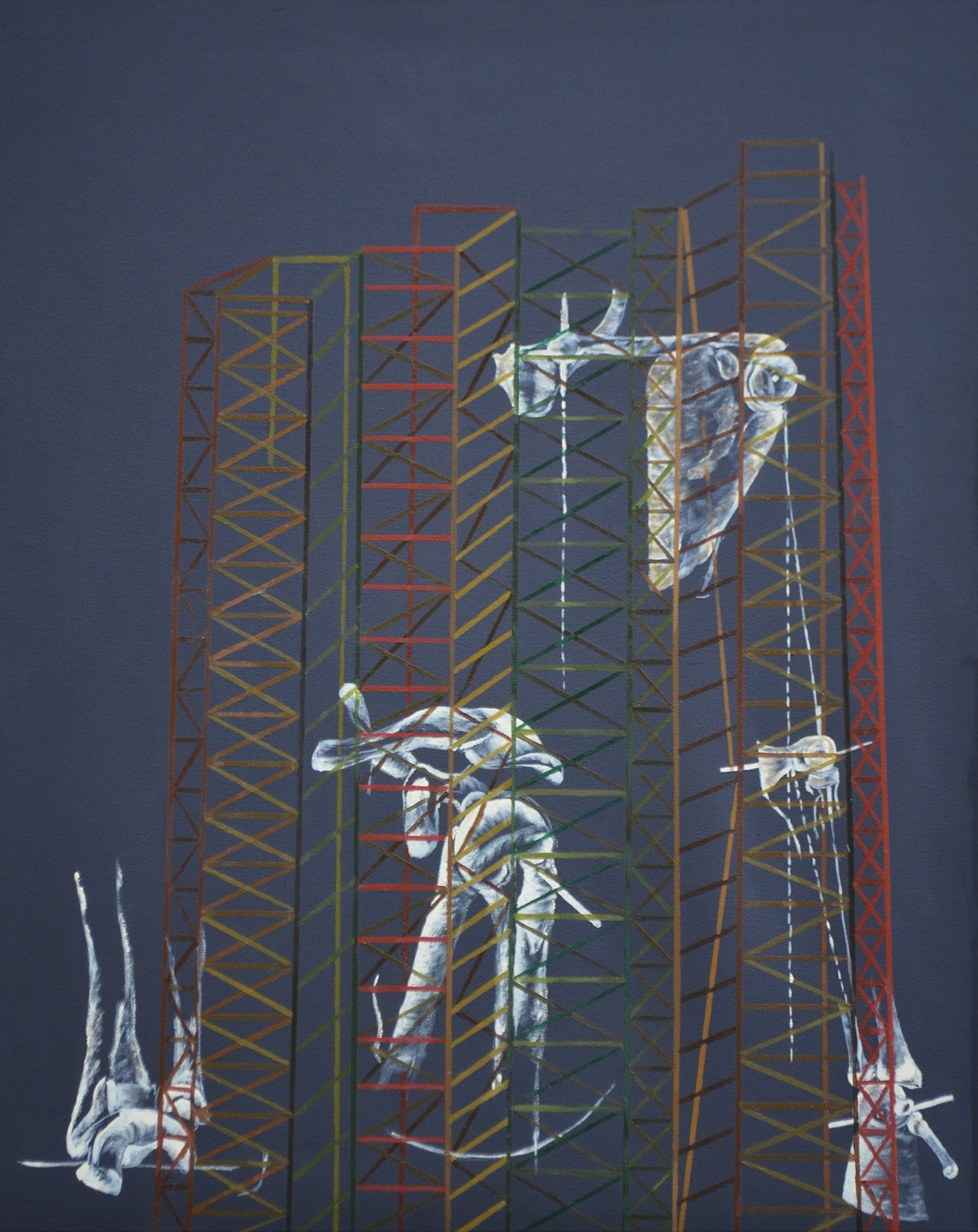
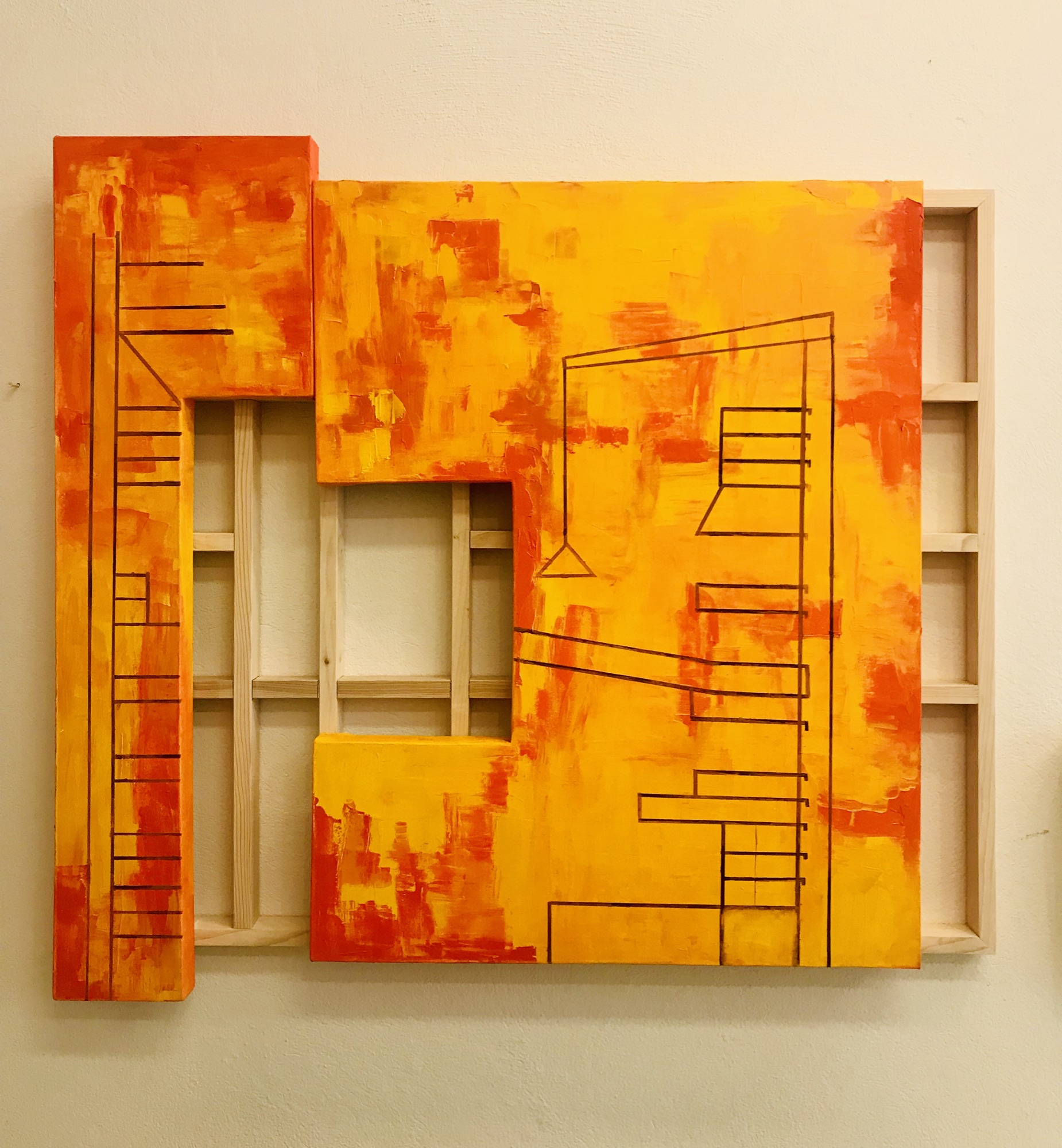
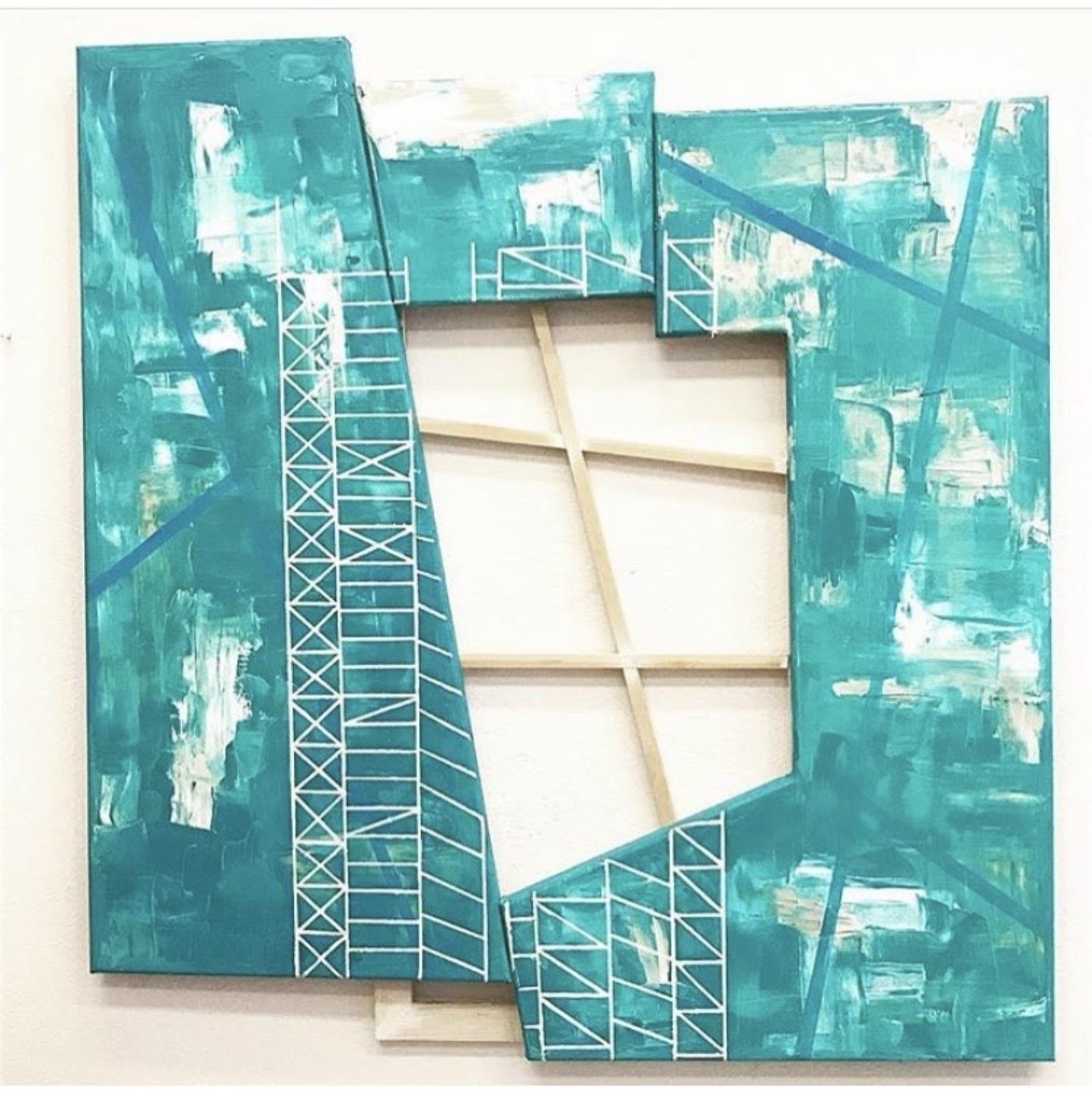
Under the conditions of modernity, dangers no longer originate primarily in nature. Hurricanes, earthquakes and other natural disasters certainly still occur today. The ecological dangers that have largely taken their place may look similar to the natural threats faced in the pre-modern era. Yet ecological threats are the outcome of socially organised knowledge, mediated through the impact of industrial development on the material environment. These threats form a new risk profile that came to be recognised with the emergence of modernity.
Another consequence of modernity can be seen in the sociological fabric, in the growing loneliness of societies. Inside gigantic structures with no limit to their floors, individuals become depopulated, cut off from nature and left alone.
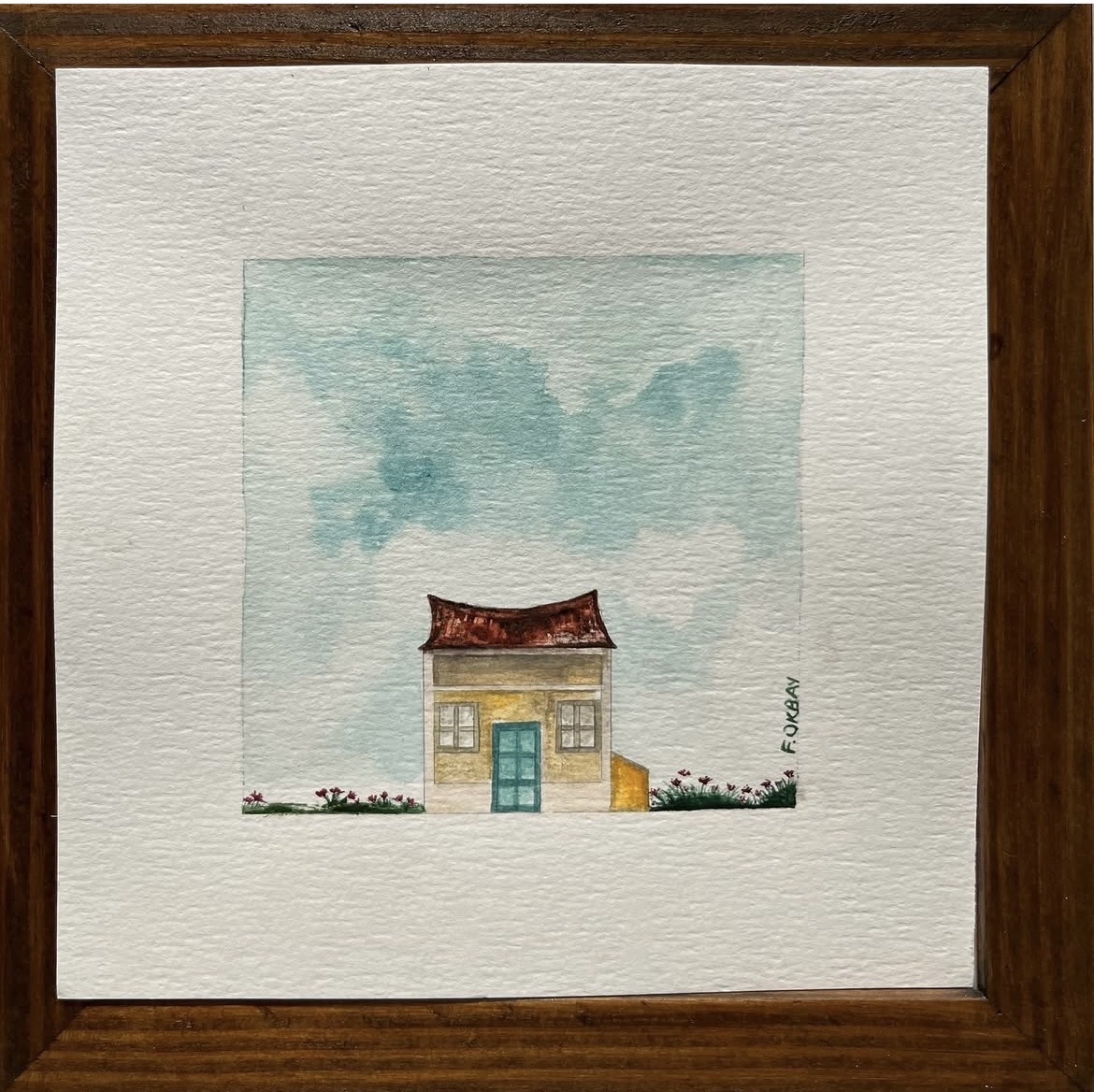
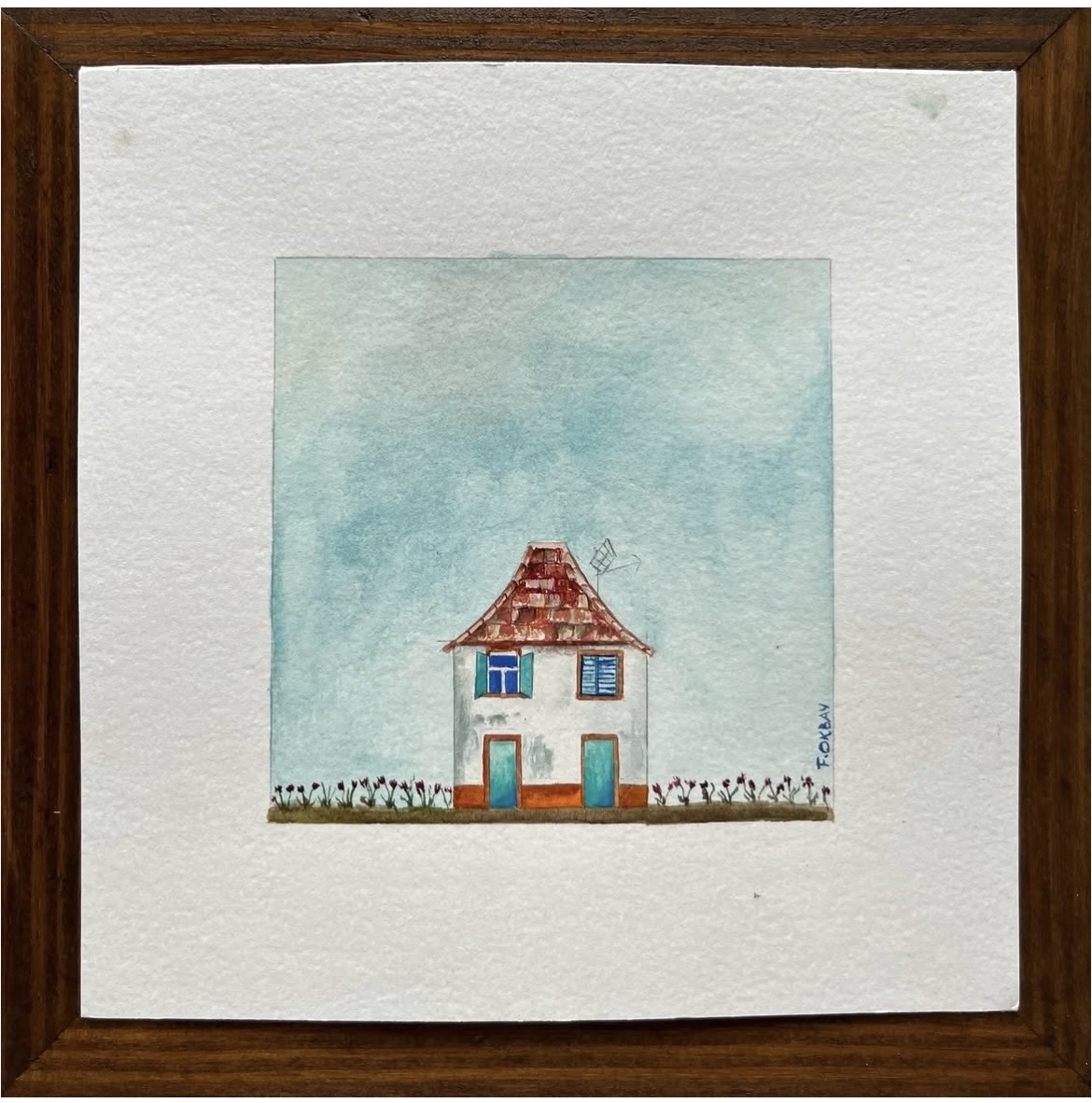
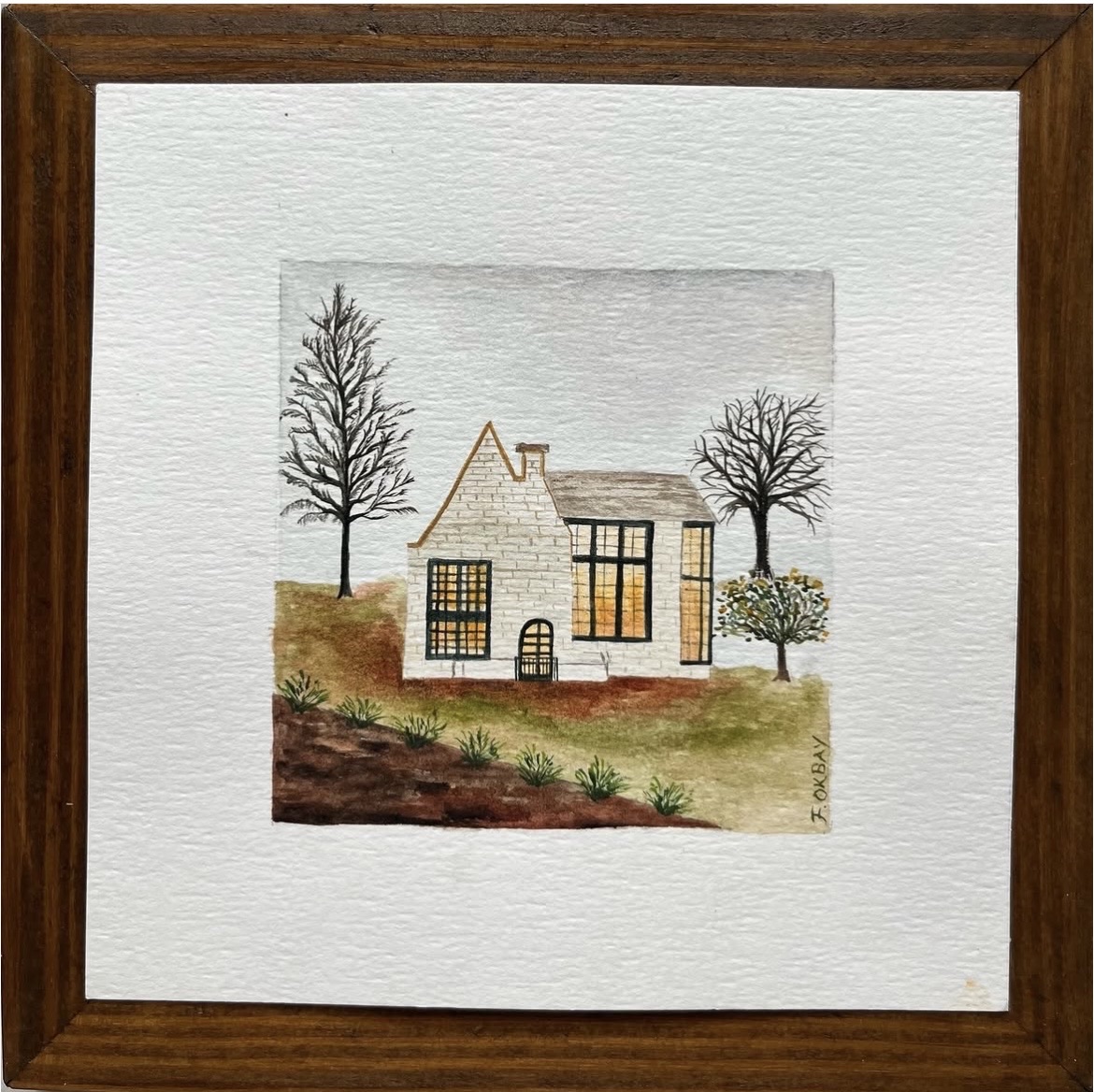
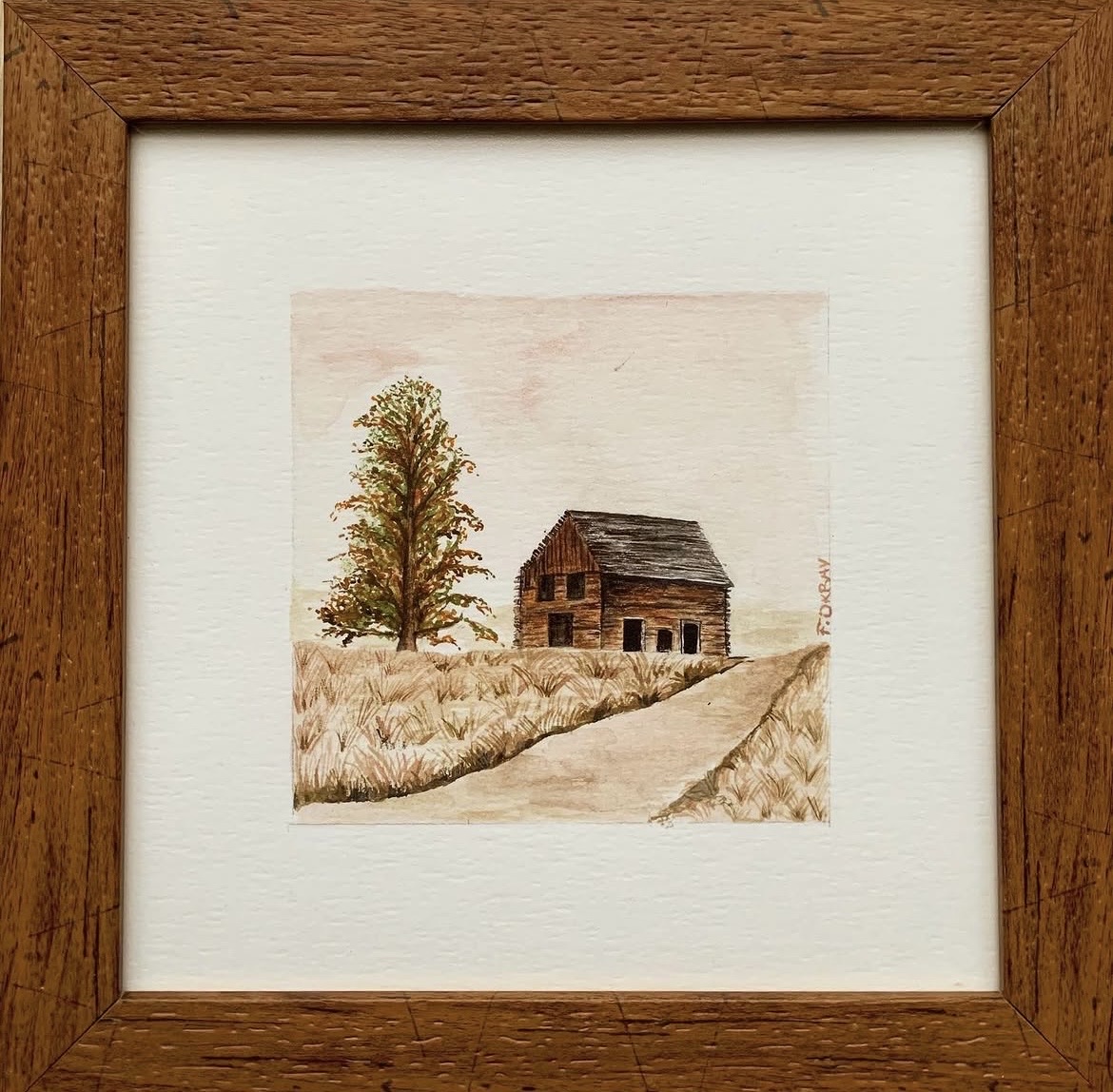
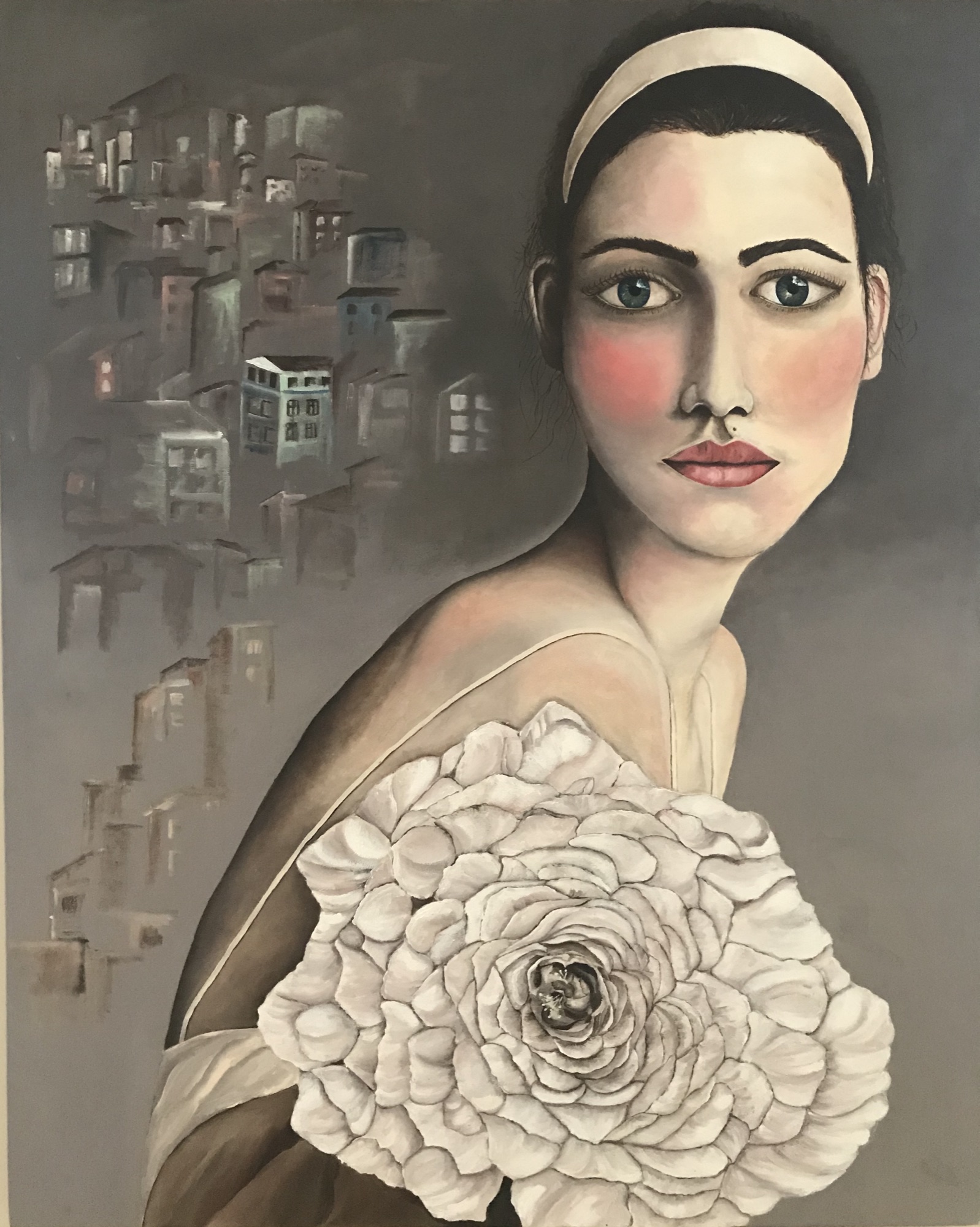
The city is not merely a physical structure made of buildings, streets and squares. It is also a living organism in which memory, emotions, encounters, partings and lived experience accumulate. Woman is at once the witness, the founder and the transforming force of this organism.
“Cities from Women” is a narrative that questions, through painting, the relationship women build with the city, their presence within space and the invisible traces they leave. In this series the city ceases to be a place observed only from the outside; it becomes a field of feeling shaped by women's stories and rebuilt in their memory.
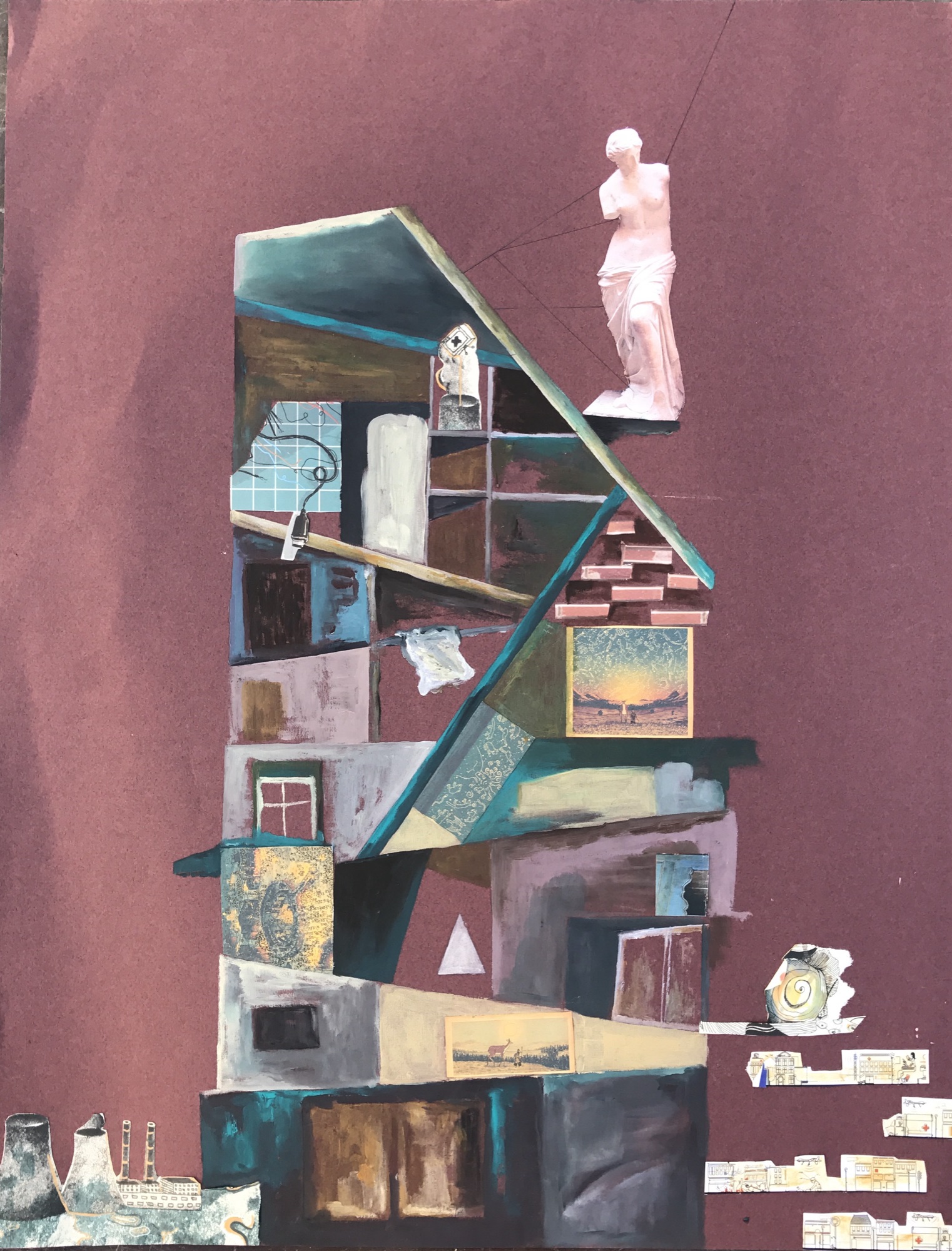
With the use and spread of information and communication technologies, strengthened by the growth of globalisation after modernism, the city has been transformed and has become a spatial plane. Globalised beyond its borders under the influence of postmodernism, the world has reshaped its perceptions of time and space by forming virtual cities through the possibilities offered by the internet.
The notion of the city, once developed as a unified whole, has handed its place over to particular identities. In this way the ideas of fragmentation, division, singularity and diversity have come to the fore, and under the name of globalisation an order has emerged in which lawlessness and uncertainty prevail, governed by monetary policies.